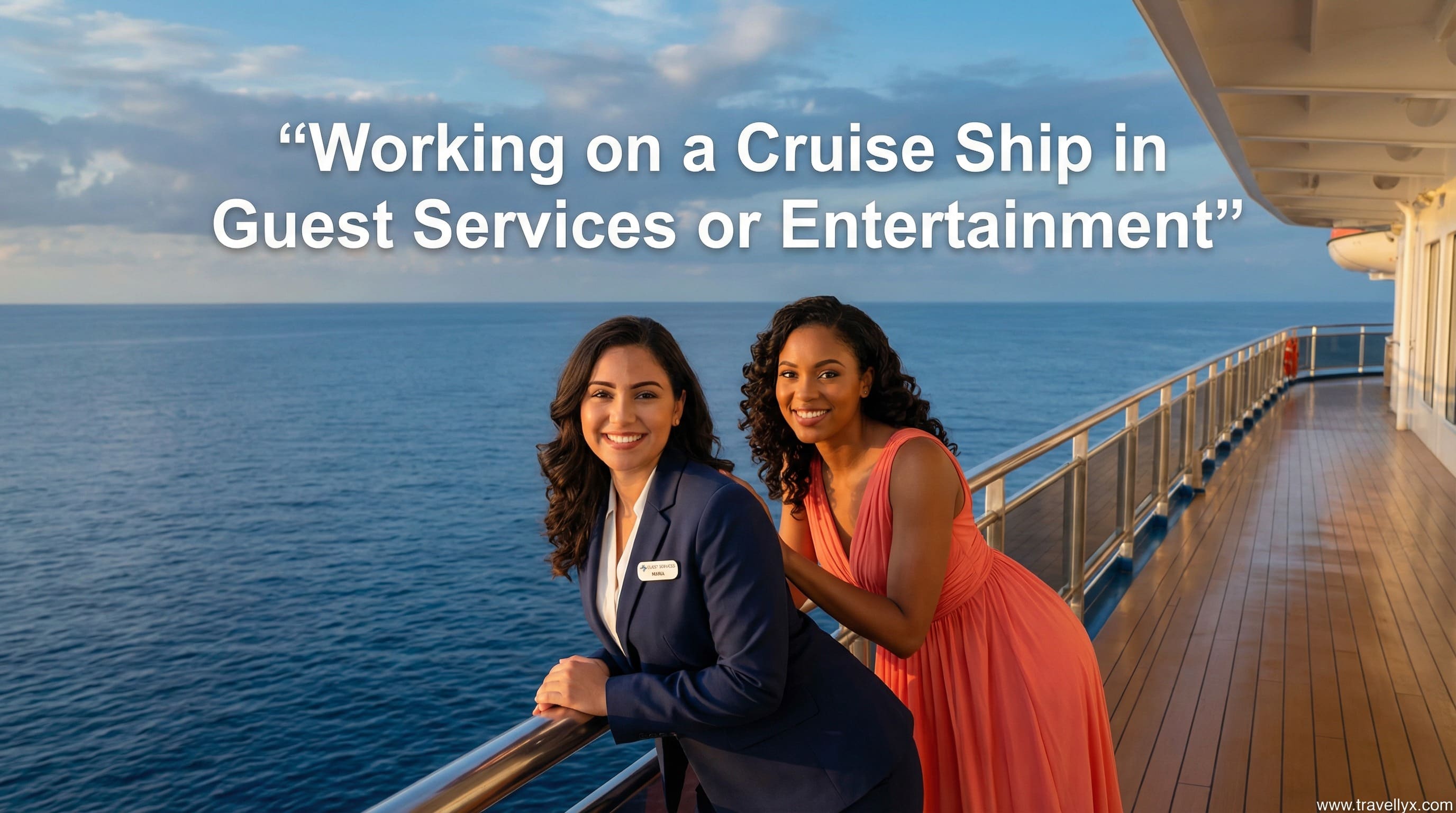
Working on a Cruise Ship in Guest Services or Entertainment: Full Comparison Guide 2026

Ever dreamed of waking up to a new horizon every single day? Working on a cruise ship in 2026 might be your ticket to adventure, steady income, and unforgettable experiences at sea. Whether you’re considering a role in Guest Services or Entertainment, this comprehensive guide will walk you through everything you need to know about life aboard a cruise ship, with special attention to what women need to consider when embarking on this unique career path.
The cruise industry is experiencing its “golden year” in 2026, with unprecedented hiring opportunities emerging as new ships launch and digital transformation creates exciting new roles. But which department is right for you? Let’s dive deep into the reality of working on a cruise ship and help you make an informed decision.
Why 2026 is the “Golden Year” for New Crew Members
If you’ve been thinking about working on a cruise ship, 2026 presents opportunities unlike any other year in recent history. The timing couldn’t be better. After years of recovery and adaptation, the cruise industry is not just bouncing back—it’s expanding at a remarkable pace.
The Post-Expansion Boom: New Ships Launching in 2026
Major cruise lines are launching an impressive fleet of new vessels in 2026. Royal Caribbean International is introducing two new ships, while Carnival Cruise Line continues its expansion with innovative vessels designed for younger travelers. Norwegian Cruise Line isn’t far behind, and even luxury brands like Viking Ocean Cruises are expanding their fleet.
What does this mean for you? Each new ship requires between 1,200 to 1,800 crew members. That’s thousands of new positions opening up, and cruise lines are actively seeking fresh talent who can bring energy and modern skills to their operations.
Digital Transformation: How “Guest Services” is Changing
Technology is revolutionizing Guest Services roles. Gone are the days when Guest Services Officers spent hours processing manual check-ins and answering the same questions repeatedly. In 2026, artificial intelligence handles routine inquiries, digital kiosks manage check-ins, and apps allow guests to resolve basic issues from their cabin.
This shift means Guest Services professionals are evolving from clerks to problem-solvers and experience creators. You’ll be handling complex situations, managing VIP relationships, and coordinating special experiences. The role requires higher emotional intelligence and creativity than ever before. If you love a challenge and thrive on human connection, this transformation makes Guest Services more rewarding than traditional hospitality desk jobs.
Meanwhile, technology like Starlink 3.0 is finally bringing reliable internet to the high seas. This connectivity revolution means you can video chat with family, keep up with your favorite shows, and maintain your social media presence during contracts. The mental health benefits are enormous—isolation was once the hardest part of ship life, but 2026 crew members stay connected in ways that were impossible just five years ago.
Guest Services vs. Entertainment: Which One Fits Your Personality?
Choosing between Guest Services and Entertainment isn’t just about skills—it’s about understanding your personality, energy levels, and career goals. Both departments offer rewarding experiences, but they require fundamentally different approaches to ship life.
The Role of a Guest Services Officer (GSO)
Think of yourself as the diplomat of the ship. Guest Services Officers are the face of the cruise line, handling everything from check-in procedures to resolving guest complaints about noisy neighbors or billing discrepancies. You’ll work at the Guest Services Desk, answer phones, coordinate shore excursions, and act as the bridge between guests and virtually every other department on board.
A typical day starts with reviewing guest requests and issues from the overnight shift. You might help a family plan their day in port, resolve a credit card dispute, arrange a surprise birthday celebration in someone’s cabin, and calm down a guest who’s upset about dinner reservations—all before lunch. The afternoon brings new challenges: lost room keys, medical concerns that need coordinating with the ship’s doctor, and helping guests navigate the complexities of immigration requirements.
Ideal Guest Services Personality
You’re naturally empathetic and can remain calm under pressure. You don’t take things personally when guests are frustrated, and you genuinely enjoy solving puzzles—because that’s what each guest issue represents. You’re organized, detail-oriented, and have excellent memory for faces and names. Most importantly, you understand that every interaction shapes someone’s vacation experience.
Guest Services positions typically require fluency in at least two languages, with English being mandatory. If you speak Spanish, Mandarin, German, or French, you’ll be particularly valuable. Computer literacy is essential since you’ll work with multiple software systems daily.
The Life of an Entertainment Host or Performer
Entertainment crew members are the energy generators of the ship. Your role is to ensure guests are engaged, excited, and entertained from morning bingo to late-night dance parties. Depending on your specific position, you might be a youth counselor, a dancer in production shows, a singer in the main theater, a game show host, or an activities coordinator leading pool games and trivia.
The Entertainment team works when guests are awake and ready to have fun—which means evenings, weekends, and holidays are your busiest times. You’ll rehearse during the day, perform in the evening, and often socialize with guests after shows. Your energy directly impacts guest satisfaction surveys, and the best entertainers make every activity feel spontaneous and fun, even after doing the same game for the hundredth time.
Entertainment roles vary widely. Youth staff work with kids and teenagers, requiring patience and creativity. Production cast members need professional-level dance or vocal training. Activity hosts need charisma and the ability to engage diverse age groups. Technical crew in the theater handle lighting, sound, and stage management.
Comparison Table: Hours, Pay, and “Privileges”
| Factor | Guest Services | Entertainment |
|---|---|---|
| Average Hours | 10-12 hours/day, 7 days/week | 8-14 hours/day (varies by event schedule) |
| Starting Salary | $1,800-$2,500/month USD | $2,000-$3,500/month USD (higher for performers) |
| Staff Status | Crew (most positions) | Staff (higher privileges) |
| Cabin Type | Shared crew cabin (2-4 people), lower decks | Staff cabin (1-2 people), better location |
| Guest Area Access | Limited to work areas | Full access when off-duty |
| Contract Length | 6-9 months | 4-6 months |
| Career Progression | Front Desk Agent → Senior GSO → Guest Relations Manager → Hotel Director | Performer → Assistant Cruise Director → Cruise Director (or transition to shore-side entertainment) |
A Woman’s Guide to the High Seas: Safety, Social Life, and Self-Care
Let’s address what many women wonder but hesitate to ask: Is working on a cruise ship safe for women? The honest answer is that it’s generally very safe, but like any workplace, it requires awareness, boundaries, and knowing your rights.
Navigating the “Fishbowl”: Social Dynamics Onboard
Ship life is intimate in ways land-based jobs never are. You live, work, eat, and socialize with the same few thousand people for months. This “fishbowl” environment creates incredibly tight friendships—many crew members describe their ship family as closer than biological siblings. However, it also means drama, gossip, and romantic relationships happen in a concentrated space.
For women, understanding these dynamics is crucial. The crew bar is social central, but you’re never obligated to participate in the late-night party culture. Many successful female crew members establish boundaries early: they socialize on their terms, maintain friendships without romantic expectations, and create small trusted circles.
Dating onboard happens frequently. Some crew members meet their life partners on ships. However, approach relationships cautiously. When relationships end (which they do), you still have months left working together in close quarters. Professional female crew members often wait until they’re settled before pursuing shipboard romance.
Consider this valuable advice similar to what you’d find in guides about becoming a female travel guide or embarking on solo female travel experiences—awareness and preparation are your best tools for success.
Safety Protocols and “Cabin Culture” for Females
Major cruise lines in 2026 have implemented strict zero-tolerance policies regarding harassment and assault. Security cameras cover public crew areas (not cabins). Every ship has a confidential reporting system, and companies like Royal Caribbean and Carnival have dedicated HR professionals who investigate complaints seriously.
Your cabin is your sanctuary. Most female Guest Services Officers share cabins with two to four other women. Entertainment staff typically have better accommodations—often just one roommate. Cabin doors lock securely, and you control who enters your space. Many women bring a small rubber doorstop for added security peace of mind.
Walking alone through crew corridors late at night is generally safe, but the buddy system is wise. Security officers patrol regularly, and help is always a radio call away. Trust your instincts—if someone makes you uncomfortable, you have every right to report it and request different shift arrangements if necessary.
Packing Essentials Every Woman Needs (That the Cruise Line Won’t Tell You)
Beyond the obvious—uniforms, toiletries, casual clothes—here’s what experienced female crew members recommend:
- Six-Month Supply of Feminine Products: Ship stores carry basics, but your preferred brand or specific products might be unavailable. Menstrual cups are increasingly popular among crew women for convenience and environmental reasons.
- Birth Control: If you use hormonal contraception, bring enough for your entire contract plus extra. Accessing gynecological care at sea can be complicated and expensive.
- Comfortable Work Shoes: You’ll walk 15,000+ steps daily on hard surfaces. Invest in quality shoes with arch support. Bring two pairs so you can alternate.
- Earplugs and Sleep Mask: Your roommate might work opposite shifts. Quality sleep accessories are non-negotiable.
- Small Fan: Crew cabins can get stuffy. A portable USB fan improves air circulation significantly.
- Medications: The ship’s medical center handles emergencies, but over-the-counter medications for headaches, allergies, stomach issues, etc., are helpful to have personally.
- Emotional Comfort Items: Photos, a favorite book, tea or coffee you love, a small blanket from home—these tiny connections to your life ashore matter enormously during long contracts.
Hormonal Health at Sea
This topic rarely appears in crew recruitment materials, but it’s important. Some women experience menstrual irregularities when they first start working at sea due to stress, time zone changes, and schedule disruptions. This usually stabilizes after a month or two. If you experience significant issues, the ship’s doctor can help, but having a relationship established with a gynecologist before you embark allows for telemedicine consultations if needed in 2026.
Qualifications and Certifications Needed in 2026
Working on a cruise ship requires more than just enthusiasm. International maritime law mandates specific certifications, and each department has additional requirements.
The STCW Basic Safety Training: What’s New?
Every crew member must complete STCW (Standards of Training, Certification, and Watchkeeping for Seafarers) Basic Safety Training before stepping aboard. This course, regulated by the International Maritime Organization, covers four critical areas:
- Personal Survival Techniques: You’ll learn how to abandon ship, use life jackets and survival suits, board lifeboats, and survive in water. Yes, you’ll actually practice in a pool.
- Fire Prevention and Firefighting: Training includes identifying fire hazards, using fire extinguishers, wearing breathing apparatus, and fighting real fires in controlled settings.
- Elementary First Aid: Basic medical emergency response, CPR, treating shock, burns, fractures, and more.
- Personal Safety and Social Responsibilities: Workplace safety, recognizing unsafe conditions, and preventing fatigue.
In 2026, many training centers offer “blended learning” where theoretical components are completed online, and practical exercises happen during a 3-5 day in-person session. This format is more convenient and often less expensive than previous fully in-person courses.
Approved maritime training centers exist worldwide. In the United States, check MarAd (U.S. Maritime Administration) for approved facilities. In Europe, look for centers approved by your country’s maritime authority. In Asia, organizations like maritime training institutes in the Philippines, India, and Indonesia offer excellent programs. Cost ranges from $500-$1,500 USD depending on location.
Your STCW certificate remains valid for five years, requiring renewal courses to keep current. Most cruise lines provide refresher training as part of onboard safety drills.
Department-Specific Skills: From Conflict Resolution to Stage Presence
Beyond STCW, each department values specific competencies.
For Guest Services: Prior experience in luxury hospitality is nearly essential. Two years working at high-end hotels, resorts, or customer service roles demonstrates you can handle demanding guests with grace. Computer proficiency with Microsoft Office and property management systems is expected. Language skills are your superpower—fluency in Spanish, French, German, Mandarin, or Portuguese significantly increases your hiring chances and earning potential.
Conflict resolution training helps tremendously. Organizations like American Hotel and Lodging Educational Institute (AHLEI) offer certifications that cruise recruiters recognize. These courses teach de-escalation techniques, cultural sensitivity, and problem-solving frameworks.
For Entertainment: Requirements vary drastically by position. Production cast members need professional performance training—think dance conservatory or theater degree. Youth staff require certifications in education, recreation, or child development, plus CPR/First Aid specific to children. Activity hosts need charisma more than formal credentials, but experience in recreation, hospitality, or public speaking helps.
If you’re a performer, your audition is everything. Major lines like Royal Caribbean hold auditions in major cities worldwide. You’ll sing, dance, and demonstrate your stage presence. Bring professional headshots, a resume, and multiple prepared pieces in different styles.
The Job Hunt: How to Get Hired by Major Lines
The application process for cruise ship jobs has evolved significantly. In 2026, you have two main pathways: direct applications and working through hiring agencies.
Direct Applications vs. Hiring Partners (Viking Crew, Kouzon, etc.)
Applying directly through cruise line websites gives you unfiltered access to opportunities. Major employers maintain career portals:
Direct applications work well if you have strong qualifications and patience. The hiring process can take 3-6 months from application to embarkation.
Hiring agencies streamline this process. Reputable agencies include:
- Viking Maritime Recruiters: Specializes in placing experienced hospitality professionals in Guest Services roles across multiple lines.
- Cast-A-Way Entertainment: Focused exclusively on entertainment positions. They have long-standing relationships with cruise line entertainment directors.
- AJEETS International: Large agency with connections throughout the industry, particularly strong in Asian markets.
- Kouzon: Works with multiple cruise brands and has a user-friendly platform for tracking your application status.
Nailing the Video Interview: 2026 Trends
Most cruise lines conduct initial interviews via video call. In 2026, these interviews are more sophisticated than simple conversations—they’re assessing your on-camera presence, communication skills, and cultural fit.
Technical Setup: Use a quiet space with neutral background. Ensure strong internet connection and test your camera and microphone beforehand. Position your camera at eye level—looking up at interviewers creates an unflattering angle. Natural lighting from a window (facing you, not behind you) works better than overhead lights. Dress in business casual attire that matches the professional image of the cruise line—no shorts or tank tops, even if you’re home.
Common Interview Questions:
- “Describe a time you dealt with a difficult customer.” (They want specific examples with outcomes.)
- “How do you handle stress and long work hours?” (Be honest but positive.)
- “Why do you want to work on a cruise ship?” (Avoid just saying “travel”—emphasize customer service passion and adventure.)
- “How do you manage living away from family?” (Demonstrate emotional maturity and coping strategies.)
- “What are your salary expectations?” (Research typical ranges for your position and location.)
Entertainment interviews often include performance components. You might be asked to demonstrate energy by leading a quick activity, singing a song, or showing dance moves on camera. Practice beforehand so you’re comfortable performing in this format.
Post-Interview Follow-Up
Send a brief thank-you email within 24 hours. If you don’t hear back within the timeline they mentioned, it’s appropriate to follow up politely after two weeks. Persistence demonstrates genuine interest, but avoid being pushy. The cruise industry has many applicants, and recruiters appreciate candidates who are professionally persistent without being annoying.
The Reality Check: Main Challenges of Ship Life
It’s easy to romanticize life at sea, but understanding the challenges helps you prepare mentally and decide if this career suits you long-term.
The 70-Hour Work Week and Mental Resilience
Cruise ship contracts typically run six to nine months with no days off. You’ll work 10-14 hours daily, seven days per week. This schedule is legal under maritime law and standard across the industry. Yes, you read that correctly—no weekends, no holidays off.
The intensity varies by position and ship occupancy. When the ship is full of guests, you’re busiest. Some crew members get brief breaks during port days when many guests are ashore, but this isn’t guaranteed. Entertainment staff work hardest when guests are onboard, meaning sea days are most intense.
Why do people do this? The compensation reflects the workload. You’re essentially working two full-time jobs simultaneously, and your monthly earnings reflect this. Plus, living expenses are covered—you’re saving money while experiencing unique destinations.
Mental resilience is your most important asset. Successful crew members develop routines that preserve sanity: daily exercise in the crew gym, regular video calls home, journaling, reading, learning new skills during downtime. Your mental health matters, and recognizing early signs of burnout allows you to use available resources.
Homesickness in a Connected World (WiFi in 2026)
Homesickness hits almost everyone, typically during the second or third month. The novelty has worn off, you’re tired, and you’re missing significant events back home—birthdays, holidays, family gatherings. This is normal.
The game-changer in 2026 is connectivity. Starlink satellite internet provides reliable, relatively affordable WiFi throughout most cruise routes. Crew WiFi packages typically cost $50-$100 monthly for reasonable data allowances. This means video calls with family, streaming your favorite shows during off-time, and maintaining social media presence.
Smart crew members establish communication schedules with loved ones. Time zones complicate spontaneous calls, so planning regular video chats gives everyone something to look forward to. Surprisingly, having some distance from home drama can be refreshing—you’re not caught up in daily stresses, and you appreciate relationships more deeply when you reconnect.
Some crew members find that homesickness actually motivates them. They set clear goals—save a specific amount, visit certain ports, complete their contract strong—and these concrete objectives provide purpose during challenging moments.
Career Longevity: Where Do These Roles Lead?
Working on cruise ships can be a short adventure or a long-term career. Understanding progression paths helps you plan strategically.
Guest Services Career Ladder: Starting as a Front Desk Agent or Guest Services Officer, you can advance to Senior GSO within 2-3 contracts if you demonstrate competence. From there, Guest Relations Manager oversees the entire desk operation. Eventually, highly successful Guest Services professionals become Hotel Directors (second-in-command of the entire hotel operation) or Guest Experience Managers. These senior positions require 5-10 years of cruise experience but offer salaries exceeding $100,000 annually plus significant benefits.
Alternatively, Guest Services experience translates beautifully to shore-side positions. Major cruise lines have corporate offices needing people who understand shipboard operations. You might move into port operations, corporate training, fleet management, or customer relations. Land-based luxury hotels also value cruise experience highly—you’ve proven you can handle extreme customer service challenges.
Entertainment Career Paths: Entertainment roles often serve as stepping stones rather than lifetime careers. Dancers and performers typically work 3-5 years at sea before transitioning to land-based entertainment, choreography, teaching, or completely different fields. The experiences and savings enable many performers to pursue passion projects.
The ultimate Entertainment goal for many is Cruise Director—the charismatic figure who hosts shows, makes announcements, and embodies the ship’s personality. Cruise Directors earn $3,500-$7,000+ monthly and are essentially ship celebrities. Getting there requires years of proven entertainment excellence, leadership skills, and genuine charisma. Not everyone reaches this level, but many Assistant Cruise Directors build fulfilling careers managing programming and events.
Youth Staff sometimes transition into education, child psychology, or recreational program management ashore. The experience working with diverse children from around the world is genuinely valuable.
Frequently Asked Questions
How much do cruise ship workers actually make in 2026?
Starting positions in Guest Services typically earn $1,800-$2,500 per month, while Entertainment roles range from $2,000-$3,500 monthly (performers earn more than activity hosts). Remember these figures are tax-free for most international workers, with accommodation, meals, and healthcare included. After accounting for zero living expenses, crew members often save 70-90% of their earnings. Senior positions like Hotel Directors or Cruise Directors earn $100,000+ annually.
Is it safe for women to work on cruise ships?
Yes, major cruise lines have strict safety protocols, zero-tolerance harassment policies, and security measures specifically protecting female crew members. That said, awareness and personal boundaries are important. Most female crew members report feeling safe and supported, especially when they establish trusted friendships early and follow basic safety practices like the buddy system during crew social events.
What’s the minimum age to work on a cruise ship?
Most cruise lines require crew members to be at least 21 years old, though some positions (particularly in retail or youth services) accept applicants aged 18-20. The age requirement relates to international maritime law, alcohol service regulations, and the maturity needed to handle the demanding lifestyle. Entertainment performers sometimes have exceptions if they possess extraordinary talent.
Do I need previous experience to work in Guest Services or Entertainment?
Yes, almost always. Guest Services positions typically require 2+ years of customer service experience in hospitality settings, preferably hotels or luxury resorts. Entertainment roles need professional performance training or significant experience in recreation, youth work, or public entertainment. Entry-level exceptions exist for certain positions like housekeeping or dining, but Guest Services and Entertainment specifically seek experienced candidates.
How long are cruise ship contracts and how much vacation time do you get?
Contracts typically last 6-9 months for Guest Services and 4-6 months for Entertainment, with no days off during the contract. After completing your contract, you return home for vacation (usually 2-3 months) before signing a new contract if you wish to return. This unusual schedule means you work intensely for several months, then have extended time off—different from traditional employment but appealing to many people.
Can I choose which ship or route I work on?
Not typically for your first contract. New crew members are assigned based on hiring needs across the fleet. After proving yourself during your first contract, you gain some influence over future placements. Senior crew members with excellent reviews can often request specific ships or routes, though final decisions remain with crew management. Building a strong reputation and maintaining good relationships with managers increases your options.
What happens if I get sick or injured while working on a cruise ship?
All ships have medical facilities staffed by doctors and nurses. Basic medical care is provided free to crew members. If you require significant treatment unavailable onboard, you may be disembarked at the nearest port with adequate medical facilities. Your employment contract includes basic health coverage, though many crew members purchase additional travel insurance for comprehensive protection. Most illnesses and minor injuries are managed successfully onboard.
Will my phone work on a cruise ship in 2026?
Your regular cell service won’t work at sea (roaming charges at sea are astronomically expensive). Instead, ships offer crew WiFi packages typically costing $50-$100 monthly. In 2026, Starlink satellite technology provides reliable internet connectivity for messaging, video calls, social media, and streaming. You’ll use WhatsApp, Messenger, FaceTime, and similar apps to stay connected with family and friends.
Final Thoughts: Is Working on a Cruise Ship Right for You?
Working on a cruise ship in 2026 offers unparalleled opportunities for adventure, cultural immersion, and significant savings. Whether you choose Guest Services or Entertainment, you’ll develop skills that translate to countless future opportunities while experiencing life most people only dream about.
Guest Services suits diplomatic, organized problem-solvers who thrive on helping people and managing complexity. Entertainment fits energetic, performance-oriented individuals who love being center stage and creating memorable experiences. Both paths offer legitimate career progression and the chance to see the world while getting paid.
The challenges are real—long hours, time away from home, and the intensity of the “fishbowl” lifestyle. But for the right person, these challenges become part of the adventure. You’ll return home with incredible stories, deep friendships spanning the globe, healthy savings, and perspectives that only come from truly immersing yourself in diverse cultures.
If you’re seriously considering this path, start preparing now. Research cruise lines, get your STCW certification, polish your customer service or performance skills, and apply strategically. The cruise industry in 2026 needs passionate, qualified individuals ready to deliver exceptional experiences to guests from around the world.
The ocean is calling. Will you answer?