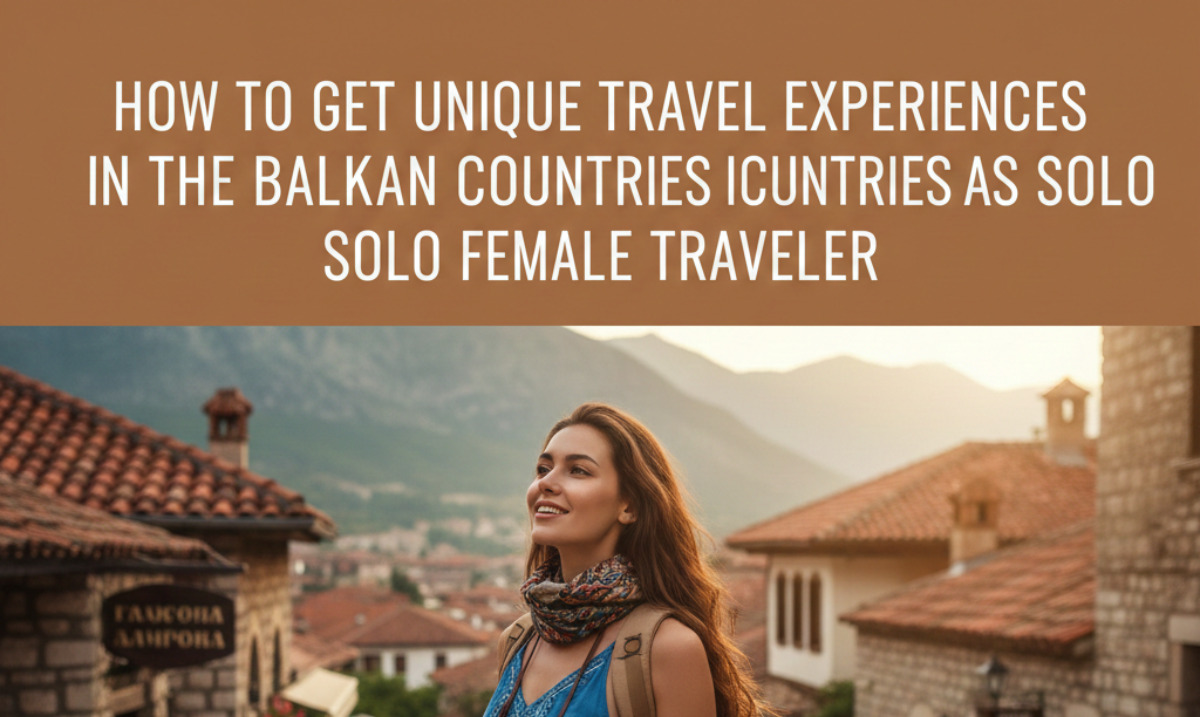
Why the Balkans Are Perfect for Unique Solo Female Travel Experiences
Thinking about solo travel to the Balkans but worried about safety? Let me flip that concern on its head. The Balkans isn’t just safe for women traveling alone—it’s one of the most protective, welcoming regions you’ll ever experience. This comprehensive guide shows you how women-led solo travel in the Balkans offers the safest, most authentic adventures, where supporting female-owned businesses unlocks cultural doors that typical tourism can’t open.
You’ve probably googled “Is the Balkans safe for solo women?” countless times. Every travel forum gives you the same generic advice about watching your drink and avoiding dark alleys. But here’s what those posts miss entirely: the warmest welcome you’ll receive in the Balkans comes from the women who run the guesthouses, lead the tours, and invite you into their kitchens for coffee that turns into three-hour conversations.
The secret to experiencing the Balkans isn’t avoiding risks—it’s embracing a different kind of travel. When you choose women-led solo travel in the Balkans, you’re not just booking a room. You’re gaining a network of protective “aunties” who treat you like family, ensure your safety, and share stories that guidebooks never capture.
This isn’t another “top ten things to see” list. This is your roadmap to ethical travel Albania, Bosnia, and beyond, where your tourism dollars empower local women and you experience the region the way it’s meant to be seen: slowly, safely, and surrounded by genuine human connection.
Why Choose Women-Led Travel in the Balkans?
The concept of women-led solo travel in the Balkans goes far beyond finding female-friendly accommodations. It represents a complete shift in how you experience a region, transforming safety concerns into genuine connections and turning your travel budget into community support.
Safety Through Community Connection
When you stay at a women-run guesthouse in Albania or Bosnia, you’re not checking into an anonymous hotel. You’re entering a home where the owner knows exactly who’s coming and going. These female hosts create an invisible safety net that surrounds you throughout your stay.
The “Balkan Auntie” phenomenon is real and powerful. These matriarchs who manage guesthouses don’t just hand you a key—they ask about your plans, suggest safer routes, arrange trusted drivers, and often insist their son or nephew walks you home if you’re out after dark. This isn’t invasive; it’s protective hospitality that solo female travelers quickly learn to appreciate.
Real Example: At Bujtina Terthorja in Theth, the female hosts maintain a network of communication with other guesthouses along hiking routes. If you don’t arrive when expected, they’re calling ahead to check on you. This informal safety system operates across northern Albania’s mountain villages, creating security that no hotel chain could replicate.
Economic Impact That Matters
In rural Albania and Bosnia, tourism represents one of the few avenues for women to achieve financial independence. When you choose women-led accommodations and tours, your money directly supports households where women control their economic destiny.
The ripple effects are substantial. A successful female-run guesthouse employs local women as cooks and cleaners, purchases supplies from women’s agricultural cooperatives, and demonstrates to the community that women can be successful business owners. Your choice to stay there for three nights might seem small, but it contributes to a larger shift in economic power.
This matters especially in regions where traditional gender roles remain strong. Women who earn independent income gain decision-making power in their families and communities. They educate daughters, invest in local infrastructure, and create role models for younger generations.
The Slow Travel Advantage
Female hosts in the Balkans excel at encouraging slow travel. Instead of rushing you out the door with a map of tourist sites, they invite you to sit for coffee. These conversations become the highlight of your trip—stories about surviving wars, raising families, and building businesses in challenging environments.
What Slow Travel Means Here
Slow travel in women-led spaces means learning to make traditional pies with your host’s grandmother, understanding why certain embroidery patterns tell family stories, or simply sharing silence over morning coffee while watching mountain mist clear. These moments create travel memories that Instagram photos of famous landmarks never capture.
This approach transforms how you experience destinations. Instead of checking off sites, you’re building relationships. The woman who runs your guesthouse becomes your local guide, trusted advisor, and often a lifelong friend. She knows which day the village market happens, where the real artisans work, and which restaurants serve grandmother’s recipes versus tourist food.
The Auntie Network: Best Female-Owned Guesthouses
The heart of women-led solo travel in the Balkans beats strongest in the guesthouses where female hosts create homes away from home. These aren’t just places to sleep—they’re cultural immersion centers where safety, comfort, and authentic connection merge into experiences you’ll carry forever.
In the Accursed Mountains of Albania
Northern Albania’s dramatic mountain landscapes host some of the region’s most remarkable female-run guesthouses. The women here have transformed family homes into welcoming spaces that support hikers, adventurers, and seekers of authentic mountain culture.
Bujtina Terthorja, Theth
Located in the heart of Theth National Park, this guesthouse operates under the management of local women who’ve perfected the art of mountain hospitality. The kitchen is the soul of this place, where female cooks prepare traditional Albanian dishes using vegetables from the family garden and recipes passed down through generations.
What makes this spot special for solo female travelers? The women running guest relations treat every visitor like a niece visiting for the summer. They coordinate with other guesthouses to ensure hikers traveling between valleys are expected and watched over. The communal dinner table becomes a place where solo travelers from around the world connect, facilitated by hosts who understand that women traveling alone crave both independence and community.
Practical tip: Book directly through their contact information rather than third-party sites. This ensures your payment goes entirely to the family and helps build the personal relationship that enhances your stay.
Guesthouse Rama, Valbona
The fame of Guesthouse Rama stems largely from the grandmother who treats every hiker like a returning grandchild. Her presence in the kitchen each morning, preparing fresh bread and traditional breakfast spreads, sets the tone for what ethical travel Albania should feel like.
Solo female travelers consistently praise this guesthouse for its family atmosphere. The women who manage day-to-day operations maintain detailed knowledge of trail conditions, weather patterns, and safety considerations. They’re not just providing information—they’re actively ensuring your well-being.
The guesthouse also employs local women, creating economic opportunities in a valley where employment options are limited. When you eat dinner here, local women prepare and serve it. When you purchase handmade items, you’re buying directly from women who crafted them.
In Historic Towns and Cultural Centers
Urban guesthouses run by women offer different advantages—deeper connections to local culture, access to hidden artisan workshops, and insights into contemporary Balkan life that rural accommodations can’t provide.
Stone City Hostel, Gjirokastër
While technically a hostel, Stone City operates with heavy involvement from local women who provide the deep cultural insights that make Gjirokastër come alive. These women staff members don’t just work there—they’re invested in showing solo travelers the real city beyond the castle tourists photograph.
They’ll walk you to the family-run restaurants locals actually eat at, introduce you to artisans working in traditional crafts, and explain the complex history of this UNESCO World Heritage site in ways that make you understand rather than just memorize dates.
For solo women, the social atmosphere here strikes the perfect balance. You have private space when needed but access to a community of travelers and local staff who create an instant social network in an unfamiliar city.
Women-Led Tour Operators
Balkan Pearls Tour Operator
Recently recognized for sustainability achievements, Balkan Pearls operates as a women-led agency specifically designed for solo female travelers seeking curated safety. The founders understand viscerally what women traveling alone need—not just transportation and hotels, but the invisible infrastructure of trust, local knowledge, and protective networks.
Their tours emphasize connection with local women. You visit women’s cooperatives, meet female artisans, stay in women-run accommodations, and travel with female guides who share both practical advice and personal stories. This isn’t performative women’s empowerment—it’s genuine support for women-owned businesses throughout the supply chain.
Unique Experiences: Artisans and Women’s Cooperatives
The richest cultural experiences in women-led solo travel come from connecting with artisans, cooperative workers, and entrepreneurs who’ve carved out spaces in traditionally male-dominated fields. These encounters offer insights into resilience, creativity, and economic survival that transform how you understand the Balkans.
Sarajevo, Bosnia: Breaking Barriers
Sarajevo’s Old Town hosts one of the most powerful examples of female entrepreneurship in the entire region. On Kazandžiluk street, famous for its copper workshops, one woman works among dozens of male artisans, crafting copper pieces using techniques unchanged for centuries.
The Only Female Coppersmith: Finding her workshop requires asking locals—she doesn’t advertise heavily. When you visit, you’re not interrupting work; you’re supporting a business that challenges gender norms in profound ways. She hammers copper just like the men around her, but her presence represents something larger: possibility, determination, and the slow cracking of traditional barriers.
Purchasing a piece from her workshop means more than acquiring a souvenir. It’s direct support for a woman who faced skepticism, resistance, and outright hostility to learn a craft men believed women couldn’t master. Her success encourages other women to pursue non-traditional paths.
Women’s Craft Cooperatives
Throughout Bosnia, cooperatives organized around traditional crafts provide crucial income for women, particularly war widows and rural women with limited employment options. These aren’t tourist traps selling mass-produced items—they’re genuine economic lifelines wrapped in cultural preservation.
Zene za Zene (Women for Women): This cooperative and similar organizations throughout Sarajevo connect visitors with women creating traditional embroidery, knitting, and other crafts. The items you purchase directly support families, and the women are often happy to demonstrate techniques or share stories about the patterns’ cultural significance.
What makes these cooperatives special for solo female travelers? The women working there understand hospitality and conversation. You’re invited to sit, drink coffee, hear stories, and learn. It’s shopping transformed into cultural exchange, and the connections you make here often become highlights of your entire trip.
Shkodra, Albania: New Models of Women’s Tourism
Shkodra represents the cutting edge of women-led tourism development in Albania. Recent UN Women-backed initiatives have created “Women Solo Traveler” retreats specifically designed for female visitors seeking nature, culture, and community.
These retreats blend birdwatching around Shkodra Lake, visits to women’s agricultural cooperatives, traditional cooking classes with local grandmothers, and conversations with female entrepreneurs building businesses against considerable odds. The model succeeds because it was designed by women, for women, with local economic empowerment as a core goal rather than an afterthought.
Guided Holidays by Indira Çoçja
Indira Çoçja founded this women-led agency after years of working in Albanian tourism and recognizing gaps in how female travelers’ needs were addressed. Her tours focus on nature and culture, avoiding party scenes and crowded tourist sites in favor of quieter, more meaningful experiences.
Her guides are predominantly female, many from rural areas where employment opportunities are scarce. By hiring local women, training them in guiding and hospitality, and paying fair wages, she creates a model that benefits entire communities while delivering exceptional experiences for travelers.
Practical Tips for the Solo Female Traveler
Successful women-led solo travel in the Balkans requires understanding cultural nuances, practical logistics, and how to navigate spaces as a woman alone. These insights come from experienced travelers and local women who understand both perspectives.
Understanding Dress Codes
The “modest dress” question confuses many travelers, partially because advice ranges from “cover everything” to “wear whatever you want.” The truth lives somewhere in the middle and depends entirely on location.
In Cities: Belgrade, Tirana, Sarajevo, and coastal towns operate like any European city. Summer dresses, shorts, tank tops—all perfectly acceptable. You’ll see local women dressed the same way. The club scene in Belgrade rivals any major European city for fashion-forward dressing.
In Rural Areas: Villages in northern Albania, remote areas of Bosnia, and traditional communities appreciate modest respect. This doesn’t mean full coverage, but consider covering shoulders and knees, especially when visiting someone’s home or religious sites. Think of it as showing cultural awareness rather than adhering to strict rules.
The Practical Middle Ground: Pack a light scarf or cardigan. You can dress as you prefer and cover up when appropriate. Local women will guide you—if your host covers her arms, consider doing the same. This isn’t about submission to patriarchy; it’s about respect for hosts and communities.
Transportation Wisdom
Transportation represents one area where solo female travelers benefit enormously from the women-led accommodation network. Female hosts understand that navigating bus schedules to remote villages creates unnecessary stress and potential safety concerns.
Most women-run guesthouses arrange private transfers. Yes, it costs more than buses, but the value exceeds the price difference. Your host arranges a driver she knows personally—often a family member. He picks you up exactly on time, drives safely, and delivers you to your next destination with your host already informed of your arrival.
Why Private Transfers Matter: Remote guesthouses in places like Theth or Valbona require navigating unpaved mountain roads. Buses might get you to nearby towns, but the last leg requires local knowledge. Drivers arranged by female hosts know the roads intimately and understand they’re responsible for your safety.
Additionally, these arrangements keep money within the women-led network you’re supporting. The driver is someone’s son, brother, or husband, and the income supports families connected to the guesthouses you’re patronizing.
Embracing Cafe Culture
One of the most liberating aspects of solo travel in the Balkans is the cafe culture that normalizes sitting alone for extended periods. This cultural norm transforms what might feel awkward elsewhere into comfortable, accepted behavior.
In Sarajevo, Belgrade, Tirana, or any Balkan town, you’ll see locals spending hours in cafes with a single coffee. This isn’t about the coffee—it’s about being present in public space, watching life unfold, and enjoying solitude in community. As a solo female traveler, you can claim this same space without feeling conspicuous or uncomfortable.
Bring a book, your journal, or just sit and observe. Nobody hurries you. Waiters refill water without prompting. Other solo cafe-goers might nod acknowledgment or strike up conversation. It’s a beautiful way to feel alone without being lonely, and it provides safe public spaces where you can rest, plan, or simply exist between activities.
Dining Solo Without Awkwardness
Restaurant dining alone intimidates many solo travelers, but the Balkans makes it easier through several cultural factors. First, guesthouse dinners often involve communal tables where solo travelers naturally intermingle. Your female host facilitates introductions, and you’re sharing traditional meals with other travelers in a home-like setting.
In restaurants, ask your female host for recommendations. She’ll send you places where the owner knows her, creating instant familiarity. You’re not a random tourist—you’re a guest of someone the restaurant owner respects. This transforms the dynamic entirely.
A 10-Day “Slow Travel” Itinerary for Women
This carefully crafted itinerary embraces the “Mountains and Matriarchs” theme, prioritizing women-led experiences, safety through community, and the slow pace that allows genuine connection. This isn’t about seeing everything—it’s about experiencing deeply.
Days 1-3: Sarajevo – Artisan Connections and Coffee Culture
Arrive in Sarajevo and stay near the Old Town in a women-friendly guesthouse or small hotel where staff includes local women who provide insider knowledge. Spend your first day adjusting to the rhythm of Balkan time—find a cafe, sit with coffee, and watch the city wake up around you.
On day two, visit Kazandžiluk street to meet the female coppersmith. Don’t rush this experience. Ask questions, watch her work, understand the significance of her presence there. Later, explore women’s craft cooperatives like Zene za Zene, where you can purchase handmade items and hear stories from the women who create them.
Day three involves a coffee workshop or traditional cooking class—many women in Sarajevo offer these experiences in their homes. You’re not just learning to make Bosnian coffee; you’re sitting in someone’s kitchen, hearing war stories, and understanding resilience through personal narrative.
Days 4-7: Northern Albania – Mountains, Matriarchs, and Meaningful Hiking
Take a morning bus or arranged transfer to Shkodra, where you’ll base yourself for a night before heading into the mountains. This is where Indira Çoçja’s Guided Holidays or similar women-led operators prove invaluable—they arrange everything seamlessly while ensuring every euro supports local women.
Days five and six take you to Theth, staying at Bujtina Terthorja or another female-run guesthouse. The famous Theth to Valbona hike (or reverse) happens on day six, but this isn’t about conquering trails—it’s about experiencing mountains where women maintain the hospitality network that makes safe passage possible.
In Valbona (day seven), stay at Guesthouse Rama or similar. Spend the afternoon doing nothing—sit with the grandmother, help in the kitchen if invited, watch clouds move across mountain peaks. This is slow travel at its finest, where “accomplishing nothing” becomes everything.
Days 8-10: Albanian Coast – Agritourism and Final Reflections
Travel to Vlora or nearby coastal areas where female-run agritourism spots offer a complete shift in landscape and pace. While Mrizi i Zanave isn’t directly on the coast, nearby women-led B&Bs provide similar farm-to-table experiences where female hosts manage organic gardens, prepare traditional meals, and share agricultural knowledge passed through generations.
These final days balance beach relaxation with cultural depth. You’re not at a resort—you’re staying with families where women manage operations, cook incredible food, and treat you like visiting relatives. Morning swims, afternoon siestas, evening dinners under olive trees—this is how you transition from mountain intensity to coastal calm.
Use day ten for reflection before departure. What stories will you carry? Which women’s faces will you remember? How did this experience change your understanding of both safety and connection?
Frequently Asked Questions
The Transformative Power of Women-Led Travel
When you choose women-led solo travel in the Balkans, you’re participating in something larger than tourism. You’re supporting economic models that empower women in regions where opportunities remain limited. You’re experiencing safety not through isolation but through community. You’re learning that the most meaningful travel happens in kitchens, around coffee tables, and through connections that transcend language and culture.
The women you’ll meet—the coppersmith hammering away in Sarajevo, the grandmother making breakfast in Valbona, the tour operator building sustainable businesses in Shkodra—they’re not just service providers. They’re teachers, storytellers, and exemplars of resilience who’ve built lives and livelihoods against considerable odds.
What You’ll Take Home: The memories from women-led travel aren’t about famous landmarks—they’re about people. You’ll remember the taste of homemade pie in a mountain guesthouse, the story the coppersmith told about her first day in the workshop, the way your host’s face lit up when you attempted your first phrase in Albanian. These moments become the stories you share for years.
This approach to travel also challenges assumptions about what safety means. Western travel advice often emphasizes avoidance—don’t go here, don’t trust anyone, always remain vigilant. Women-led travel in the Balkans teaches a different lesson: safety comes through connection. The women hosting you are invested in your wellbeing because hospitality here carries cultural weight and personal pride.
Planning Your Journey
Ready to begin planning your women-led solo travel adventure in the Balkans? Start by researching specific women-owned guesthouses and booking directly when possible. Reach out to female-founded tour operators who can customize itineraries around your interests while maintaining the ethical focus on supporting local women.
Remember that slow travel requires resisting the urge to see everything. Choose fewer destinations and stay longer in each. This allows relationships to develop, understanding to deepen, and the true spirit of Balkan hospitality to reveal itself.
Booking Philosophy: When choosing accommodations and tours, look for businesses where women aren’t just employees but owners and decision-makers. Ask questions: Who runs this? Who will I interact with? Where does my money go? Ethical travel Albania and the broader Balkans region means being conscious about economic impact, not just personal experience.
Consider traveling during shoulder seasons when tourism slows. Your female hosts have more time for conversation and connection. You’ll see more of the authentic rhythm of daily life. The experiences deepen when fewer tourists compete for attention.
Beyond Tourism: Building Lasting Connections
Many solo female travelers who embrace women-led tourism in the Balkans discover that their visits create lasting relationships. The women hosting you share contact information, friend you on social media, and genuinely hope you’ll return. Some travelers do return, bringing friends, supporting their hosts’ businesses year after year, watching children grow up and businesses expand.
These connections transform travel from consumption to relationship. You’re not extracting experiences—you’re building bridges. When you purchase crafts from cooperatives, you’re supporting specific women whose names you know. When you return to the same guesthouse, the grandmother remembers exactly how you like your coffee.
The Ripple Effect
Your choice to support women-led businesses creates ripples that extend far beyond your visit. The daughter watching her mother successfully run a guesthouse learns that women can be business owners. The rural woman earning income from her crafts gains voice in family decisions. The female tour guide builds confidence and financial independence that change her life trajectory.
This is why women-led solo travel in the Balkans matters. You’re not just safely exploring a beautiful region—you’re voting with your tourist dollars for a more equitable economic future.
Final Thoughts: A Different Kind of Adventure
The Balkans won’t give you the polished, sanitized tourism of Western Europe. You’ll encounter complicated histories, witness ongoing economic struggles, and see the scars of recent conflicts. But through women-led tourism, you’ll also discover incredible warmth, fierce hospitality, and human connection that makes those challenges context rather than deterrent.
Solo female travel here teaches you that adventure doesn’t require danger, that safety comes through community rather than isolation, and that the most meaningful experiences happen when you slow down enough to truly connect with the people whose lives intersect with yours for a few precious days.
The matriarchs running guesthouses in Albanian mountains, the artisans challenging gender norms in Sarajevo workshops, the tour operators building sustainable businesses—they’re waiting to welcome you. Not as a tourist transaction, but as a guest, a friend, a woman traveling through their world and hopefully taking their stories into yours.
Ready to begin your women-led Balkans adventure? Start researching the guesthouses and cooperatives mentioned here. Reach out to women-led tour operators. Begin planning a journey that transforms both you and the communities you’ll visit. The Balkans and its remarkable women are waiting to show you what travel can be when community, safety, and empowerment merge into unforgettable experiences.
Remember: The best way to experience the Balkans isn’t by avoiding risks or following generic safety advice. It’s by embracing the protective network of women who’ve turned hospitality into both art form and economic opportunity. They’re ready to welcome you home.