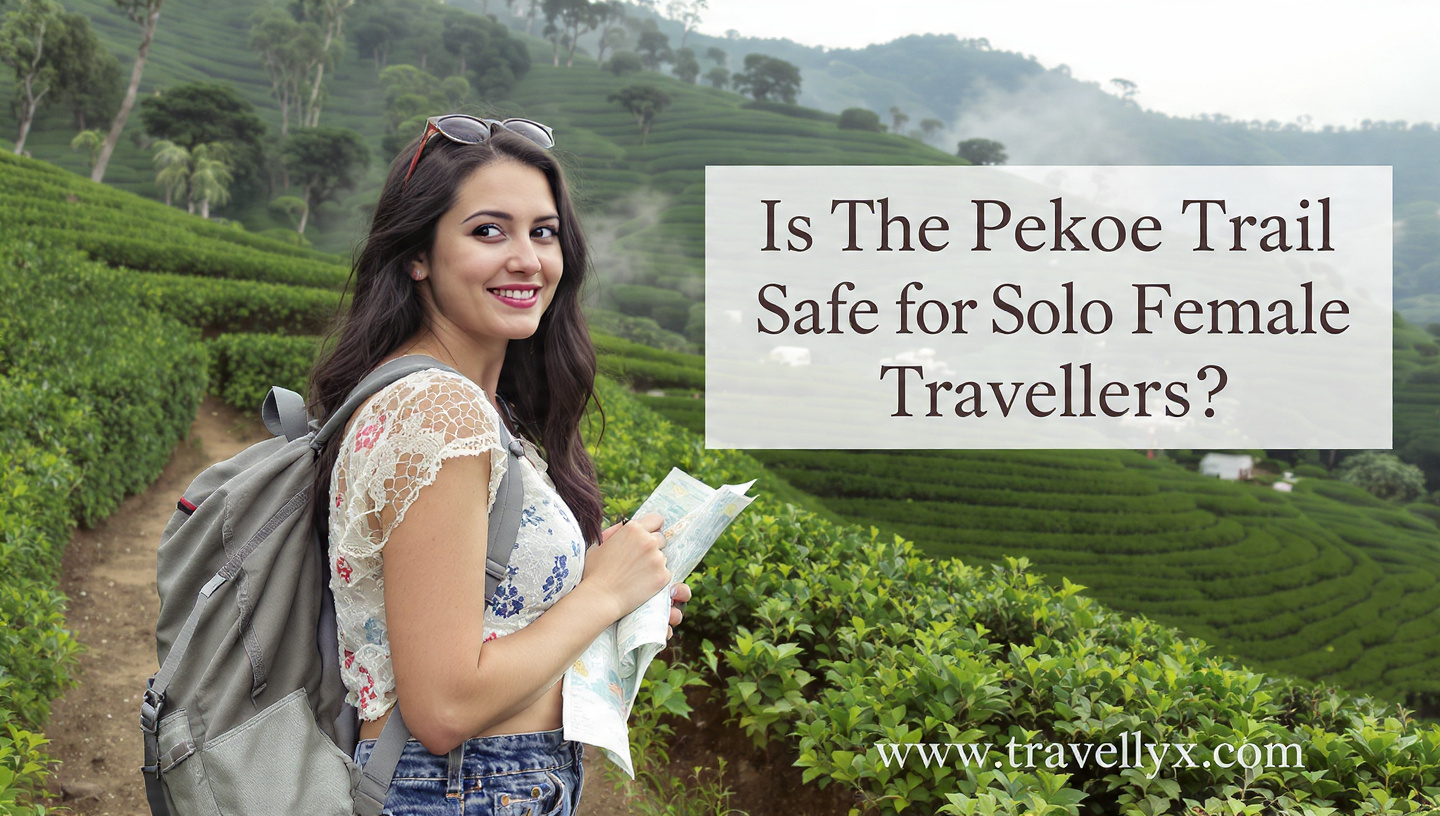
Is The Pekoe Trail Safe for Solo Female Travelers?

If you’re wondering whether the Pekoe Trail is safe for solo female travelers, the answer is yes, with some smart precautions. This stunning hiking route through Sri Lanka’s tea country offers breathtaking landscapes, warm hospitality, and genuine cultural experiences. In this comprehensive guide, we’ll explore everything you need to know about traveling the Pekoe Trail alone as a woman, from safety considerations and cultural insights to practical tips and accommodation options. Whether you’re an experienced solo traveler or planning your first independent adventure, this article will help you prepare for an unforgettable journey through one of the world’s most beautiful tea-growing regions.
Understanding the Pekoe Trail
The Pekoe Trail is a long-distance hiking route that winds through Sri Lanka’s Central Highlands, connecting the historic tea-growing towns of Kandy and Nuwara Eliya. Stretching over 300 kilometers and divided into 22 manageable stages, this trail takes you through emerald tea plantations, misty mountains, charming villages, and lush forests that have remained largely unchanged for generations.
What makes the Pekoe Trail special is not just the stunning scenery, but the opportunity to immerse yourself in authentic Sri Lankan tea country life. You’ll walk past tea pickers working the hillsides, visit colonial-era tea factories, stay in local guesthouses, and experience the genuine warmth of rural communities that rarely see tourists.
Why the Pekoe Trail Appeals to Solo Female Travelers
The Pekoe Trail has become increasingly popular among solo female travelers for several reasons. The trail infrastructure is well-developed with clear signage, accommodation options are available in most villages, and the local population is known for being respectful and helpful to visitors. Unlike more remote trekking routes, you’re never too far from civilization, which provides an important safety net for those traveling alone.
General Safety Landscape in Sri Lanka
Before diving into specifics about the Pekoe Trail, it’s important to understand the broader safety context in Sri Lanka. The country has a well-deserved reputation as one of the safer destinations in South Asia for solo female travelers. While no destination is without risks, Sri Lanka offers a relatively welcoming environment for women exploring independently.
The Sri Lankan people are known for their friendliness and hospitality, particularly in rural areas like the tea country. Crime rates against tourists are relatively low, and violent crime is rare. The most common issues travelers face are petty theft, overcharging by tuk-tuk drivers, and occasional harassment in more touristy areas, none of which are typically serious concerns along the Pekoe Trail.
Cultural Context That Enhances Safety
Sri Lankan culture places high value on respect and hospitality toward guests. In the tea-growing regions, communities are tight-knit, and locals tend to look out for visitors. Women in these areas often hold respected positions within their communities, and there’s a cultural understanding of protecting guests, especially women traveling alone.
The Buddhist influence prevalent in the Central Highlands also contributes to a peaceful atmosphere. Temples dot the landscape, and Buddhist principles of compassion and non-violence permeate daily life in these regions.
Specific Safety Considerations for the Pekoe Trail
Physical Safety on the Trail
The terrain along the Pekoe Trail varies from easy village paths to more challenging mountain sections. Most stages are moderate in difficulty, but some require good fitness levels and proper preparation. The physical risks are similar to any hiking trail: uneven terrain, slippery paths during rain, and altitude changes that can affect some people.
Wildlife encounters are rare but possible. The forests are home to monkeys, various bird species, and occasionally elephants in certain areas. Snakes exist but are seldom seen and generally avoid humans. Leeches are common during and after rain, particularly in forested sections, but while annoying, they’re not dangerous.
Trail Infrastructure and Markers
One of the biggest safety advantages of the Pekoe Trail is its well-maintained infrastructure. The trail features regular signage with distance markers, direction arrows, and stage information. This reduces the risk of getting lost, which is often a primary concern for solo hikers.
Mobile phone coverage is surprisingly good along most of the trail, as it passes through populated areas. This means you can use GPS navigation apps, stay in touch with loved ones, and call for help if needed. However, some remote sections have limited or no signal, so it’s wise to download offline maps beforehand.
Social Safety and Cultural Interactions
Social safety encompasses how you’ll be treated by locals, other travelers, and accommodation providers. The Pekoe Trail passes through traditional tea-growing communities where tourism is still relatively new, and locals are genuinely curious and welcoming rather than jaded or predatory.
What to Expect from Local Interactions
As a solo female traveler on the Pekoe Trail, you’ll likely experience overwhelming hospitality. Villagers may invite you for tea, offer directions without being asked, or simply smile and wave as you pass. Tea estate workers often stop to chat, curious about where you’re from and why you’re walking their hills.
Uncomfortable situations are rare but can occur. Some local men, particularly younger ones with less exposure to international visitors, might stare or try to take selfies with you. This is usually curiosity rather than malicious intent, but it’s perfectly acceptable to politely decline photo requests or move on if you feel uncomfortable.
Dress Code and Cultural Respect
Dressing modestly is not just about safety; it’s about showing respect for local culture and making genuine connections. In Sri Lankan tea country, conservative dress is the norm, especially for women. Locals appreciate when visitors dress respectfully, and it often leads to warmer interactions and invitations into people’s homes.
Practical modest clothing for the Pekoe Trail includes lightweight pants or long skirts, shirts that cover your shoulders, and a scarf or shawl for visiting temples or covering up when needed. This type of clothing also provides practical benefits: sun protection, mosquito defense, and protection from thorny vegetation along the trail.
Accommodation Safety Along the Trail
Where you sleep each night is a crucial safety consideration. The Pekoe Trail offers various accommodation types, from basic village homestays to more established guesthouses and small hotels. Most stages end in villages with lodging options, though advance booking is recommended, especially during peak season.
Types of Accommodation Available
Homestays: These offer the most authentic cultural experience. You’ll stay with local families, often tea estate workers, in their homes. While facilities are basic, the hospitality is genuine. Solo female travelers generally report feeling very safe in homestays, as families treat guests like their own children.
Guesthouses: Small family-run guesthouses are common along the trail. They offer more privacy than homestays while maintaining a personal touch. Most have separate rooms with locks, hot water, and home-cooked meals.
Tea Estate Bungalows: Some colonial-era tea estate bungalows have been converted into accommodation. These offer more comfort and privacy but less local interaction. They’re excellent options if you want a break from basic facilities without leaving the trail.
Accommodation Safety Tips
- Check that your room has a working lock and keep valuables secure
- Read reviews from other solo female travelers before booking
- Choose ground-floor rooms when possible for easier emergency exit
- Inform the host of your next day’s plans and expected departure time
- Trust your instincts; if a place feels wrong, politely find alternative accommodation
Planning Your Pekoe Trail Adventure
Proper planning significantly enhances safety for solo travelers. Unlike spontaneous travel, which works in some destinations, the Pekoe Trail benefits from thoughtful preparation. This doesn’t mean rigid scheduling, but rather understanding what to expect and having contingency plans.
Choosing Which Stages to Hike
The complete Pekoe Trail consists of 22 stages, but you don’t need to hike them all. Many travelers select specific stages based on difficulty, scenery, and time available. For solo female travelers, consider starting with the more popular, well-trafficked stages to build confidence before tackling remote sections.
Stages around Nuwara Eliya, Haputale, and Ella are particularly popular and well-serviced. These areas have more accommodation options, better trail maintenance, and higher chances of meeting other hikers. The more remote northern and western stages offer solitude and pristine nature but require more self-sufficiency.
Seasonal Considerations
The Pekoe Trail can be hiked year-round, but weather significantly impacts both safety and enjoyment. The best periods are January to March and July to September when rainfall is lower and trails are drier. During these months, you’ll enjoy clearer views of the stunning landscape and easier walking conditions.
The monsoon seasons bring heavy rains that can make trails muddy, slippery, and sometimes impassable. Leeches become abundant, and cloud cover obscures the famous views. However, the off-season offers advantages: fewer tourists, cheaper accommodation, and vibrant green landscapes. If you hike during rainy periods, allow extra time, carry good rain gear, and be prepared to adjust plans if weather becomes dangerous.
Essential Pre-Trip Research
Before setting out, thoroughly research your chosen route. Download offline maps using apps like Maps.me or OsmAnd, which work without internet connection. Study elevation profiles to understand the difficulty of each stage. Read recent trip reports from other solo female travelers to get current information about trail conditions and safety.
Contact accommodation providers in advance, even if you don’t make firm bookings. This helps you gauge availability and get a sense of whether the host speaks English and understands hosting solo travelers.
Essential Packing for Safety and Comfort
What you carry can make the difference between a comfortable adventure and a difficult experience. Solo travelers need to be self-sufficient, but overpacking creates unnecessary burden on a multi-day hike. The key is bringing items that enhance safety and comfort without weighing you down.
Safety-Specific Gear
Communication: A local SIM card is essential. They’re inexpensive and available at the airport or in major towns. Having mobile data allows you to navigate, communicate with accommodation providers, and stay in touch with friends or family. Carry a portable battery pack to keep your phone charged.
First Aid: A comprehensive first aid kit is non-negotiable. Include bandages, antiseptic, pain relievers, anti-diarrheal medication, antihistamines, and any prescription medications you need. Add blister treatment supplies, as foot injuries are the most common hiking ailment.
Water and Purification: While villages along the trail have water sources, carrying purification tablets or a filter bottle allows you to refill safely from streams. Dehydration can impair judgment and physical ability, increasing risk.
Practical Clothing Choices
Your clothing needs to balance cultural respect, practical hiking needs, and personal comfort. Quick-dry fabrics are ideal for the changing weather. Layering is essential, as mornings can be cool while afternoons warm up. A rain jacket is mandatory regardless of season, as sudden showers are common in the mountains.
Good hiking boots with ankle support prevent injuries on uneven terrain. Break them in before your trip to avoid blisters. Bring a sun hat, sunglasses, and sunscreen, as the equatorial sun is intense, especially at higher elevations.
Daily Safety Practices on the Trail
Once you’re hiking, maintaining awareness and following basic safety practices becomes your daily routine. These habits quickly become second nature and significantly reduce risk.
Morning Departure Routines
Start each hiking day by informing your accommodation host where you’re heading and when you expect to arrive. Take a photo of trail signs or write down contact information for your next accommodation. Check weather forecasts if you have internet access, and adjust plans if severe weather is predicted.
Begin hiking early, ideally by 7 or 8 am. This gives you plenty of daylight hours to complete the stage and avoids the hottest part of the day. Early starts also mean you’re more likely to encounter locals heading to work in the tea estates, providing natural company on the trail.
While Hiking
- Maintain awareness of your surroundings without being paranoid
- Take regular breaks to stay hydrated and rested
- If trail markings become unclear, don’t hesitate to ask locals for directions
- Keep your phone accessible but your valuables secure
- Trust your instincts if something feels wrong; there’s no shame in turning back
- Note landmarks and trail features to help with navigation
Dealing with Unwanted Attention
Most interactions on the Pekoe Trail are positive, but occasionally you might face unwanted attention. This is more likely in villages than on the trail itself. Strategies for handling this include staying confident, making brief eye contact rather than staring at the ground (which can signal vulnerability), and moving purposefully.
If someone makes you uncomfortable, you can say “no thank you” firmly in English, or learn the Sinhala phrase “epa” (no/don’t need). Most local people will immediately respect this boundary. If harassment continues, walk toward groups of people, shops, or public places. Remember that unwanted attention is rarely dangerous; it’s usually awkward rather than threatening.
Connecting with Other Travelers
While this guide focuses on solo travel, connecting with other hikers can enhance both safety and enjoyment. The Pekoe Trail sees a steady stream of travelers, and many are open to walking together for certain stages or sharing experiences over meals.
Finding Trail Companions
Popular stages during peak season often have multiple hikers starting at similar times. Don’t be shy about saying hello and asking about others’ plans. Many solo travelers appreciate company for challenging sections while still maintaining independence overall.
Guesthouses and homestays become natural meeting points. Evening meals are often communal, providing opportunities to connect with other travelers. Online communities and travel forums specific to the Pekoe Trail can also help you connect with people before you even arrive.
Health Considerations
Staying healthy is fundamental to staying safe. Physical illness can compromise judgment, mobility, and your ability to make sound decisions. Prevention is far easier than treatment when you’re hiking in remote areas.
Common Health Challenges
Altitude: Parts of the Pekoe Trail reach altitudes where some people experience mild altitude sickness. Symptoms include headaches, nausea, and fatigue. Acclimatize gradually, stay hydrated, and don’t push through severe symptoms. Descending to lower altitude typically resolves issues quickly.
Stomach Issues: Traveler’s diarrhea can affect anyone trying new foods and different water sources. Bring medication, drink bottled or purified water, and be cautious with raw foods. Most guesthouses serve freshly cooked meals, which are generally safe.
Injuries: Blisters, twisted ankles, and muscle strains are the most common hiking injuries. Take rest days when needed, don’t push through pain, and seek local help if an injury seems serious. Sri Lankans are remarkably helpful when someone is hurt.
Medical Facilities
Major towns along or near the Pekoe Trail have hospitals and clinics. Nuwara Eliya, Hatton, Haputale, and Bandarawela all have medical facilities. In villages, ask your host to help you find a doctor if needed. Many speak at least basic English. Travel insurance that covers hiking and emergency evacuation is strongly recommended.
Emergency Preparedness
Hoping for the best while preparing for the worst is smart solo travel philosophy. Emergencies are unlikely, but knowing how to handle them provides confidence and actual safety benefits.
Emergency Contacts
Save these important numbers in your phone before starting the trail:
- Sri Lankan emergency services: 119 (ambulance and fire), 118 (police)
- Your accommodation contacts
- Your embassy contact information
- Travel insurance emergency line
- A trusted person at home who knows your itinerary
What Constitutes an Emergency
Real emergencies requiring immediate action include severe injuries, serious illness, getting completely lost as darkness approaches, dangerous weather conditions, or feeling genuinely threatened. In these situations, stay calm, move to a safe location if possible, and call for help.
For non-emergency problems like minor injuries, being behind schedule, or losing the trail temporarily, solve them methodically without panicking. Ask locals for help, adjust your plans, or take an unplanned rest day to recuperate.
Cultural Immersion and Safety
One of the most rewarding aspects of the Pekoe Trail is the cultural immersion it offers. Interestingly, deeper cultural understanding and engagement often enhance safety rather than compromise it. When you show respect for local customs and make genuine efforts to connect, communities respond with increased protection and care.
Learning Basic Sinhala Phrases
While many Sri Lankans in tourist areas speak English, learning basic Sinhala phrases opens doors and hearts in rural villages. Simple greetings like “ayubowan” (hello/blessings), “istuti” (thank you), and “kohomada” (how are you) demonstrate respect and effort that locals deeply appreciate.
When you attempt to speak Sinhala, even poorly, people light up. They become more helpful, more protective, and more willing to share their lives with you. This linguistic effort, however minimal, transforms you from anonymous tourist to welcomed guest.
Tea Culture Etiquette
Tea is not just a crop in these regions; it’s a way of life and a medium for connection. When offered tea, accepting is a sign of respect. Tea invitations are genuine hospitality, not attempts to sell you something or lead you somewhere unsafe. These moments over cups of sweet milk tea often become the most memorable experiences of the trail.
If invited into someone’s home, remove your shoes before entering, accept offered refreshments, and show interest in their lives. Ask about tea cultivation, their families, or life in the village. These interactions are safe, enriching, and create networks of people who will look out for you as you continue your journey.
Photography and Privacy
Photography is a sensitive topic that intersects with both cultural respect and personal safety. The Pekoe Trail offers breathtaking photo opportunities, but it’s important to photograph responsibly and considerately.
Photography Guidelines
Always ask permission before photographing people. This is especially important for tea workers and children. Many people are happy to be photographed once asked, but some prefer not to be. Respect their wishes without argument.
Be cautious about sharing real-time location data on social media. Posting that you’re alone on a remote trail section advertises vulnerability. Share your adventures after you’ve moved on or reached safe accommodation.
Protecting Your Own Privacy
As a solo traveler, managing information about your solo status requires judgment. In conversation with locals, you don’t need to emphasize that you’re traveling completely alone. Many solo travelers mention a partner or friend who is meeting them later, which isn’t dishonest if you’re meeting other travelers along the way. It simply avoids advertising vulnerability.
However, with accommodation hosts and people actively helping you, honesty about being solo is fine and often results in extra care and concern for your wellbeing.
Money and Valuables Management
Managing money safely is practical both for security and peace of mind. The Pekoe Trail passes through areas where villagers earn modest incomes, so displaying wealth carelessly is both culturally insensitive and potentially risky.
Cash and Cards
Sri Lanka remains largely cash-based, especially in rural areas. ATMs exist in major towns but not in every village, so carry enough cash for several days. However, don’t carry all your money at once. Keep some hidden in your accommodation, some in a money belt or secure pocket, and some more accessible for daily expenses.
Credit cards work in larger hotels but rarely in village guesthouses. Mobile payment apps are becoming more common but don’t rely on them exclusively. A mix of payment options provides flexibility and security.
Valuables on the Trail
Leave expensive jewelry at home; it serves no purpose on a hiking trail and only attracts attention. Keep your phone and camera secure but accessible. Use a cross-body bag or secure backpack pockets for items you need during the day.
Most accommodation is trustworthy, but use locks when available and don’t leave valuables visible in rooms. If you need to leave something valuable, ask your host if they can secure it. Many guesthouses have lockers or safes available.
Food and Water Safety
Eating and drinking safely is fundamental to enjoying your trek. Fortunately, Sri Lankan cuisine is generally safe for travelers, especially the fresh, home-cooked meals served in guesthouses along the Pekoe Trail.
What and Where to Eat
Guesthouse and homestay meals are your best bet for safe, delicious food. These family-cooked meals feature rice, curry, dhal, vegetables, and often fresh fruit. Food is prepared fresh, cooked thoroughly, and served hot, which minimizes risk.
Village shops sell snacks, biscuits, and packaged foods for trail provisions. Fresh fruit from markets is safe if you peel it yourself. Be cautious with street food in larger towns, not because it’s necessarily unsafe, but because your system might need time to adjust to new bacteria and preparation methods.
Water Safety
Don’t drink tap water. Bottled water is widely available and inexpensive. However, carrying multiple plastic bottles daily creates significant environmental impact. Consider bringing a reusable bottle with a filter or purification tablets, allowing you to refill from streams and taps while staying safe and reducing plastic waste.
Tea and coffee made with boiled water are safe to drink. In fact, drinking tea with locals is both culturally appropriate and a safe hydration method.
Wildlife Encounters
While the Pekoe Trail isn’t a safari, you’re hiking through natural habitats where wildlife exists. Understanding what you might encounter and how to respond safely is important.
Common Wildlife
Monkeys: Troops of monkeys are common, especially near villages and temples. They’re generally harmless but can be aggressive if they associate humans with food. Never feed monkeys or leave food accessible. If confronted, don’t make eye contact, don’t show teeth (which monkeys interpret as aggression), and slowly back away.
Leeches: These are the most likely wildlife encounter in wet conditions. While creepy, leeches aren’t dangerous. They attach to skin, drink blood, and drop off. Salt, tobacco, or insect repellent causes them to release. Check yourself regularly during and after rain, especially around ankles and in boot tops.
Snakes: Sri Lanka has venomous snakes, but bites are extremely rare. Snakes avoid humans when possible. Watch where you step, don’t put hands where you can’t see, and make noise as you walk. If you see a snake, simply give it space and it will move away.
Elephant Safety
Elephants occasionally pass through certain areas. While majestic, they’re dangerous if surprised or threatened. If locals warn you about elephant activity in an area, take it seriously. Hike in groups if possible, make noise, and avoid hiking at dawn, dusk, or night when elephants are most active. If you encounter an elephant, maintain distance, move away slowly, and never approach or photograph them closely.
Staying Connected While Respecting Solitude
Balancing connectivity with the solitude that draws many to solo travel is a personal choice. However, staying connected has important safety benefits.
Communication Plans
Establish a check-in schedule with someone at home. This doesn’t mean calling every hour, but perhaps a message every day or two confirming you’re safe. Agree on what happens if you miss a check-in, ensuring your contact person knows not to panic if you’re late by a few hours due to limited signal.
Share your general itinerary, including stage names and approximate dates. Use apps like WhatsApp to send quick updates that don’t require phone calls. Many travelers find that brief check-ins provide peace of mind without interrupting their immersive experience.
Building Confidence as a Solo Female Hiker
Confidence isn’t just a mental state; it’s a safety tool. People who carry themselves confidently are less likely to be targeted for theft or harassment. Confidence comes from preparation, experience, and self-trust.
Growing Your Confidence
Start with shorter, easier stages if you’re new to solo hiking. Success builds confidence for more challenging sections. Celebrate small victories: navigating a tricky section, successfully communicating in Sinhala, or finding your accommodation without help.
Remember that feeling nervous is normal and doesn’t mean you’re unprepared. Many experienced solo travelers still feel butterflies before starting a new adventure. Those feelings often transform into excitement once you’re underway.
Learning from Challenges
Challenges on the trail, from getting temporarily lost to miscommunicating about accommodation, are learning opportunities rather than failures. Each challenge you navigate successfully increases your confidence and capability. Solo travel is as much about personal growth as it is about seeing beautiful places.
When to Choose Not to Hike Alone
Honest assessment of when solo hiking might not be the best choice is mature rather than fearful. Certain situations genuinely call for companionship or professional guidance.
Remote Sections
Some Pekoe Trail stages pass through particularly remote areas with limited villages and infrastructure. If you’re uncomfortable with high levels of solitude, consider hiring a guide for these sections or waiting to walk them with other travelers you’ve met.
Guides aren’t expensive by Western standards, and they provide navigation help, cultural interpretation, and safety backup. They’re especially valuable for sections with less clear markings or areas where language barriers might be significant.
Personal Comfort Levels
Your comfort level is valid regardless of what others do. If hiking alone doesn’t feel right, there’s no shame in joining a group tour, finding a walking companion, or focusing on day hikes from bases in major towns. The Pekoe Trail will still be there if you want to attempt it solo in the future with more experience.
Real Experiences from Solo Female Travelers
Hearing from women who’ve actually hiked the Pekoe Trail alone provides valuable perspective beyond general advice. While experiences vary, common themes emerge from numerous trip reports and conversations.
Positive Experiences
Most solo female travelers report feeling safe, welcomed, and empowered throughout their Pekoe Trail journey. Many describe it as a transformative experience that exceeded their expectations. The combination of physical challenge, cultural immersion, and natural beauty creates profound experiences.
Travelers consistently mention the kindness of locals, particularly women in villages who often take solo female hikers under their wing. Tea estate workers wave and smile, guesthouse owners treat guests like family, and random encounters lead to invitations for meals or tea.
Challenges Encountered
Common challenges include occasional loneliness, especially during difficult sections or bad weather. Some travelers mention feeling vulnerable during their first days before building confidence. Language barriers sometimes cause confusion about directions or accommodation.
A few report uncomfortable moments with staring or questions about traveling alone, but these are typically described as awkward rather than threatening. Almost all travelers who report challenges also note that locals or other travelers helped them through difficulties.
Post-Trail Reflections
After completing your Pekoe Trail adventure, taking time to reflect enhances both the experience and lessons learned for future travels.
What You’ll Take Away
Beyond memories of stunning landscapes and delicious Sri Lankan food, most solo female travelers leave the Pekoe Trail with increased confidence, deeper understanding of a fascinating culture, and proof of their capability to navigate challenges independently. These intangible benefits often prove more valuable than the adventure itself.
Many discover that their fears before the journey were disproportionate to actual risks encountered. This realization opens doors to future adventures that might have seemed too daunting before.
Final Thoughts on Safety and Adventure
Is the Pekoe Trail safe for solo female travelers? Yes, with preparation, awareness, and respect for local culture. But more importantly, it’s incredibly rewarding, offering a perfect balance of adventure and accessibility for women traveling alone.
The Pekoe Trail challenges you physically while embracing you culturally. It’s remote enough to feel adventurous but connected enough to feel safe. The communities you’ll pass through have maintained their traditional ways while welcoming travelers with genuine warmth.
Safety isn’t about eliminating all risk; it’s about managing risk intelligently while remaining open to the experiences that make travel worthwhile. The Pekoe Trail offers this balance beautifully, making it an ideal destination for solo female travelers seeking both challenge and cultural connection.
Your Journey Awaits
Every solo traveler’s experience is unique, shaped by their preparation, attitude, and the random magic of travel. The Pekoe Trail is waiting for you with its mist-covered tea plantations, warm Sri Lankan hospitality, and the personal growth that comes from navigating a challenging journey on your own terms.
Trust yourself, prepare thoroughly, stay aware, and embrace the adventure. The trails are marked, the people are friendly, and the experience of a lifetime is waiting in Sri Lanka’s beautiful tea country.