How to Handle the Loneliness (and the Waiter) in The Solo Dinner Companion – 10 Ways
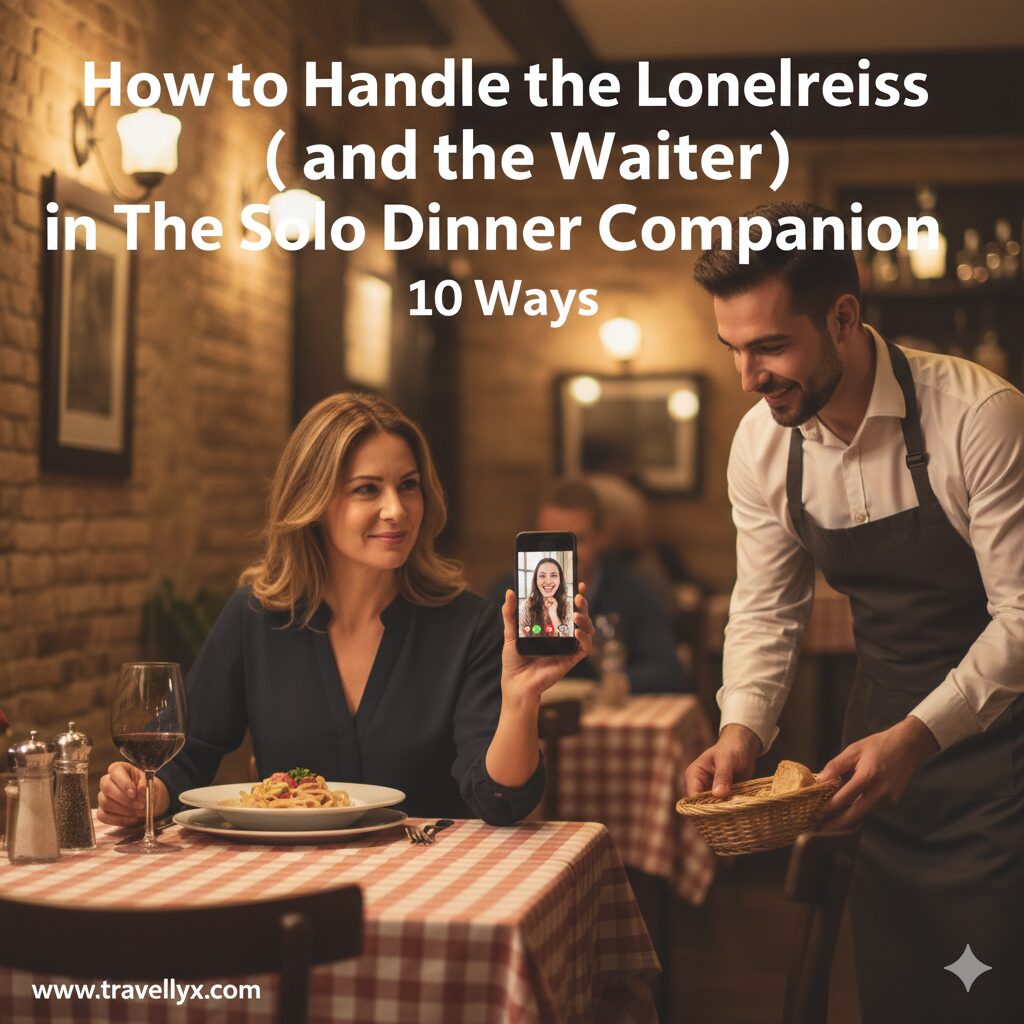
You’re sitting in your hotel room, stomach growling, scrolling through restaurant recommendations on your phone. Everything looks amazing, but there’s one problem: you’re traveling alone, and the thought of walking into a restaurant by yourself makes your palms sweat. Sound familiar? If you’re struggling with solo dining anxiety, you’re not alone, and this guide will give you the eating alone travel tips you need to confidently enjoy every meal on your journey.
Eating alone at restaurants is one of the most common fears among solo travelers. Whether it’s the awkward moment when the host asks “just one?” or the imagined judgment from couples and groups around you, solo dining anxiety is real. But here’s the truth: dining alone is becoming increasingly normal, and with the right strategies, you can turn those nervous solo dinners into some of the most enjoyable moments of your trip.
In this comprehensive guide, you’ll discover: Ten practical and proven ways to overcome solo dining anxiety, handle interactions with restaurant staff confidently, choose the perfect spots for eating alone, and transform your solo dining experience from stressful to spectacular. These eating alone travel tips come from real travelers who’ve mastered the art of dining solo around the world.
Understanding Solo Dining Anxiety: You’re Not Imagining It
Before we dive into solutions, let’s acknowledge something important: your feelings about eating alone are valid. Solo dining anxiety stems from very real social conditioning. We’ve been taught that meals are social experiences, that dining alone might signal loneliness or social rejection, and that other people are watching and judging us.
The reality is quite different. Restaurant staff see solo diners constantly and think nothing of it. Other guests are typically absorbed in their own conversations and meals. That feeling of being watched? It’s mostly in our heads, a phenomenon psychologists call the “spotlight effect” where we overestimate how much others notice us.
Important Truth: Studies show that solo diners consistently overestimate how much attention they’re receiving from others. In reality, most people are focused on their own dining experience and barely register solo diners around them. Understanding this can be the first step in conquering your solo dining anxiety.
1. Start Small and Build Your Confidence Gradually
One of the biggest eating alone travel tips is to ease into the experience rather than jumping straight into a fancy restaurant. Think of building your solo dining confidence like training for a marathon—you wouldn’t start with 26 miles on day one.
Begin with Casual Spots
Start your solo dining journey at places where eating alone feels more natural and less intimidating. Coffee shops, bakeries, and casual cafes are perfect training grounds. Grab a pastry and coffee, sit at a small table with your phone or a book, and get comfortable with the basic experience of being alone in a food establishment.
From there, progress to counter-service restaurants, food courts, or casual eateries where the atmosphere is relaxed and fast-paced. These environments naturally accommodate solo diners because there’s less emphasis on the “dinner theater” aspect of dining out.
Progressive Strategy: Week one, visit three different cafes for breakfast or lunch. Week two, try counter-service restaurants or casual spots. Week three, book a table at a mid-range restaurant during off-peak hours. By gradually increasing the “difficulty level,” you’ll build genuine confidence that prepares you for any dining situation.
Choose Solo-Friendly Restaurant Types
Some restaurants are naturally more welcoming to solo diners. Ramen shops, sushi bars, tapas restaurants, and bistros with bar seating often attract individual diners. Asian restaurants, particularly in major cities, frequently have counter seating designed specifically for solo guests.
Restaurants with open kitchens or chef’s counters are excellent choices because you can watch the cooking process, which gives you something engaging to focus on besides your phone. This built-in entertainment factor significantly reduces solo dining anxiety.
2. Strategic Seating: Location Matters More Than You Think
Where you sit can dramatically impact your solo dining comfort level. This is one of those eating alone travel tips that makes an immediate difference in your experience.
Bar Seating is Your Best Friend
The bar is hands-down the best spot for solo diners. It’s designed for individuals, offers entertainment from watching bartenders work, provides natural conversation opportunities without pressure, and eliminates the awkwardness of an empty chair across from you.
Many experienced solo diners exclusively choose bar seating because it transforms the experience. You can chat with the bartender when you want conversation or focus on your meal when you prefer solitude. The full menu is typically available at the bar, so you’re not sacrificing food options.
Pro Tip for Bar Seating: Arrive during slower periods to secure the best bar spots—corners or near the kitchen pass where you can watch food preparation. If the bar is full, ask the host when bar seats typically open up and whether you can wait for one. Most restaurants are happy to accommodate this request.
Other Strategic Seating Options
If bar seating isn’t available or doesn’t appeal to you, consider these alternatives. Window seats are perfect because they give you something to look at and observe street life outside. Corner tables or banquettes offer a sense of enclosure and privacy. High-top tables or communal seating can work well because they feel less formal than traditional tables.
What should you avoid? The center of the dining room if you’re feeling self-conscious, tables near the entrance where you’ll be highly visible to arriving guests, and large tables that emphasize you’re dining alone. These locations can amplify solo dining anxiety for beginners.
3. Bring a Companion (But Not a Human One)
Having something to engage with during your meal is one of the most practical eating alone travel tips for reducing anxiety. You don’t need to stare at your food or feel awkward during natural pauses in eating.
The Classic Book Approach
A paperback book or e-reader is the traditional solo diner’s companion for good reason. It signals to others that you’re content and occupied, gives you something genuinely engaging to focus on, and creates a comfortable barrier between bites. Choose something you genuinely enjoy rather than bringing a book as mere props—your engagement should be real.
Physical books have a slight advantage over e-readers in restaurants because they’re more visually obvious to servers, who can better gauge when to approach your table. However, e-readers work perfectly fine and are more convenient for travelers.
Digital Alternatives: Your phone or tablet can serve the same purpose, but be intentional about what you’re doing. Reading articles, catching up on emails, planning tomorrow’s activities, or browsing travel forums are all legitimate options. Avoid mindlessly scrolling social media, which can actually increase feelings of loneliness by showing you what everyone else is doing.
Journaling and Creative Options
A travel journal is an excellent solo dining companion. Use your meal time to write about your day’s adventures, sketch the view from your table, or plan upcoming activities. This approach turns dining alone into productive creative time rather than something to endure.
Some solo travelers bring small notebooks for learning languages, working on crossword puzzles, or sketching. These activities are engaging enough to occupy your attention but flexible enough to pause when your food arrives.
4. Master the Art of Timing Your Restaurant Visits
When you dine can be just as important as where you dine. Strategic timing is one of those eating alone travel tips that experienced solo travelers swear by.
Off-Peak Hours Are Your Secret Weapon
Dining during off-peak hours offers numerous advantages for managing solo dining anxiety. The restaurant is less crowded, so you feel less conspicuous. Service is typically more attentive because servers have fewer tables. You’ll have better seating options with more flexibility. The overall atmosphere is more relaxed and less rushed.
Consider these optimal times: early dinners between 5:00 and 6:00 PM, late lunches between 2:00 and 3:30 PM, weekday evenings rather than weekends, or late breakfasts after the morning rush. These windows give you the full restaurant experience without the peak-hour intensity.
Bonus Benefits: Off-peak dining often means you’ll receive more attention from staff who have time to make recommendations, share stories about dishes, or chat if you’re inclined. Many solo diners report these interactions as highlights of their meals, transforming a potentially lonely experience into a genuine connection.
Avoid Rush Hours When Starting Out
If you’re new to solo dining or working through significant anxiety, actively avoid peak dining times. Saturday night at 7:30 PM in a packed restaurant is not the time to practice your solo dining skills. That’s graduate-level solo dining—save it until you’ve built more confidence.
Peak times amplify everything that triggers solo dining anxiety: waiting in a crowd where everyone seems to be in pairs or groups, rushed service that makes you feel like you’re taking up a table, and crowded dining rooms where you feel more visible. Give yourself easier conditions while you’re learning.
5. Handle Waiter Interactions Like a Confident Regular
One major component of solo dining anxiety centers on interactions with restaurant staff. Will they judge you? Will they ask uncomfortable questions? Here’s how to handle these moments with confidence.
The Greeting and Seating
When the host asks “how many?” or “just one?” respond with confident, neutral language. Simply say “one, please” or “table for one” without apologizing, explaining, or seeming embarrassed. Your tone sets the entire interaction—if you treat it as completely normal, they will too.
If you have seating preferences, state them clearly: “I’d prefer the bar if possible” or “Do you have a window seat available?” This demonstrates you’re comfortable and know what you want, which actually reduces any awkwardness.
Language Matters: Avoid saying “I’m alone” or “It’s just me” with apologetic tones. These phrases emphasize your solo status unnecessarily. Instead, stick with straightforward requests like “one seat” or “solo reservation.” This simple language shift can significantly reduce your own anxiety and creates a more positive interaction.
During Your Meal
Engage with servers as you would during any dining experience. Make eye contact, smile naturally, ask questions about menu items, and thank them for service. Normal, friendly interactions establish you as a regular customer who happens to be dining alone, not someone to pity or rush through their meal.
Don’t feel pressured to order quickly or apologize for taking time with the menu. You deserve the same consideration as any table. If the server seems to be rushing you or making you feel unwelcome, that’s a reflection of their professionalism, not your worth as a customer.
If You Encounter Actual Judgment
Let’s address the elephant in the room: what if the waiter genuinely seems judgmental or makes you feel uncomfortable? First, know that this is extremely rare—most service professionals are completely neutral about solo diners. But if it happens, you have options.
You can politely but firmly request a different server or mention to the manager that you don’t feel comfortable with the service you’re receiving. You can also leave—you’re a paying customer, and you don’t owe anyone your business if they make you feel unwelcome. Finally, remember that anyone who judges you for eating alone is revealing their own narrow-mindedness, not a truth about you.
6. Embrace Your Phone (But Use It Strategically)
There’s some debate in solo dining circles about using phones at restaurants. The truth is, your phone can be a helpful tool for managing solo dining anxiety if used intentionally.
Smart Phone Use
Your phone serves multiple purposes during solo dining. It can be your companion during natural pauses in eating, provide entertainment or information when you need a mental break, help you research and plan other aspects of your trip, and offer a security blanket when you’re feeling self-conscious.
However, avoid becoming completely absorbed in your phone to the point where you’re ignoring your meal or surroundings. The goal is to enjoy the dining experience, and staring at your phone the entire time defeats that purpose. Use it as a tool, not a barrier.
Balanced Approach: Try the “phone between courses” method. Put your phone away when food arrives and truly savor your meal. Between courses or during longer waits, engage with your phone for specific purposes—catching up on messages, planning tomorrow’s activities, or reading articles. This creates a natural rhythm and ensures you’re actually experiencing your meal.
Photo Documentation
Taking photos of your food and dining experience is completely acceptable and even expected in today’s dining culture. This activity can actually reduce solo dining anxiety because it gives you a clear purpose and engagement with your meal beyond eating.
Share your experiences on social media if you enjoy that, but also take photos simply for yourself. Documenting your solo dining adventures creates memories and helps you appreciate the experience in the moment. Many solo travelers later treasure photos from meals that initially made them anxious.
7. Transform Solo Dining into a Positive Experience
Instead of viewing solo dining as something to tolerate, flip your perspective and recognize it as a unique opportunity that group dining can’t provide.
The Benefits of Dining Alone
Solo dining offers genuine advantages. You can order exactly what you want without compromise or judgment. You can eat at your own pace without rushing or waiting for others. You can change your mind last minute without coordinating with anyone. You have the freedom to leave when you’re done without waiting for others to finish. You can fully focus on the food and flavors without conversation distractions.
These benefits aren’t just consolations for dining alone—they’re actual advantages that make solo dining preferable in many situations. Once you recognize this, solo dining anxiety often decreases significantly.
Reframing Exercise: Before your next solo meal, write down three specific benefits you’ll enjoy by dining alone. Maybe it’s ordering the adventurous dish your travel partner wouldn’t want to share, or taking time to really taste each component of a complex dish, or leaving early to catch a sunset. Focusing on these positives reduces anxiety.
Make It a Luxurious Moment
Treat yourself well during solo dining experiences. Order that appetizer you’ve been curious about. Get dessert. Choose a glass of wine you’ve wanted to try. When you make solo dining a treat rather than an ordeal, your entire mindset shifts.
This doesn’t mean you need to spend a fortune—luxury is about intentionality and pleasure, not necessarily expense. A perfectly made cappuccino and pastry at a local cafe, enjoyed slowly while watching the street, can be more luxurious than an expensive meal you rush through anxiously.
8. Choose Restaurants That Naturally Accommodate Solo Diners
Some restaurant styles are inherently more comfortable for solo dining than others. Knowing which types to seek out is one of the most practical eating alone travel tips.
Restaurant Types That Work Well
Sushi bars and omakase restaurants often feature counter seating where solo dining is standard and even preferred. Ramen shops and noodle bars traditionally accommodate individual diners with counter seating. Tapas and small plates restaurants work well because you can order several small dishes to try without overordering. Chef’s table experiences and tasting menu restaurants often seat solo diners at counters where you can watch kitchen action. Hotel restaurant bars typically welcome solo guests, especially solo travelers staying at the property.
Food halls and markets offer multiple options in a casual environment where eating alone is completely normalized. You can graze from different vendors, stand or sit, and blend seamlessly with the crowd.
Research Before You Go: Before traveling, search online for “solo-friendly restaurants in [destination]” or “best bars for eating alone in [city].” Travel forums and blogs often highlight establishments that excel at welcoming solo diners. Reading reviews from other solo travelers helps identify the best spots and reduces trial-and-error anxiety.
What to Potentially Avoid
Certain restaurant types can amplify solo dining anxiety for beginners. White-tablecloth romantic restaurants designed for date nights might make you feel conspicuous. Large banquet-style establishments where everyone seems to be in big groups can feel intimidating. Family-style restaurants where dishes are meant for sharing can be logistically difficult for one person.
This doesn’t mean these restaurants are off-limits forever—many confident solo diners enjoy them. But while you’re building your comfort level, choosing inherently solo-friendly establishments makes sense.
9. Build a Routine and Develop Your Solo Dining Ritual
Repetition dramatically reduces solo dining anxiety. Once you’ve found restaurants where you feel comfortable, return to them. Becoming a familiar face transforms the entire experience.
The Power of Being a Regular
When you return to the same restaurant multiple times, several things happen that reduce anxiety. Staff recognize you and greet you warmly. You know the menu and can order confidently without lengthy deliberation. You understand the restaurant’s rhythm and atmosphere. You might develop friendly relationships with bartenders or servers. The entire experience becomes familiar and comfortable rather than stressful and new.
Being a regular somewhere, even temporarily during a longer trip, can provide a sense of home and community that’s especially valuable for solo travelers. That neighborhood cafe where the barista knows your order, or the corner restaurant where the owner waves hello, becomes part of your travel story.
Creating Your Ritual: Develop a personal solo dining ritual that provides structure and comfort. Maybe you always bring the same journal, order a specific drink to start, or choose the same seat. These small consistencies create a sense of control and familiarity that counteracts anxiety, even in new restaurants.
Vary Your Experiences Gradually
While having regular spots is comforting, also challenge yourself to try new places periodically. Once you’re comfortable with solo dining at one type of restaurant, branch out to another style. This gradual expansion builds versatility and confidence without overwhelming you.
Set small goals like trying one new solo dining spot per trip, or sampling a new cuisine you’ve never experienced alone. Each successful experience adds to your confidence and reduces the anxiety you’ll feel about future solo dining situations.
10. Connect with Others When You Want To (But Don’t Feel Obligated)
One of the unexpected eating alone travel tips is that dining “alone” doesn’t always mean eating in complete isolation. You have the option to connect with others when you want conversation.
Natural Conversation Opportunities
Bar seating naturally facilitates conversation with bartenders and neighboring diners without the pressure of sustained interaction. You can chat when you feel like it and return to your meal when you don’t. This flexibility is one reason bar seating is ideal for solo diners.
Bartenders especially are often excellent conversationalists who can share local insights, restaurant recommendations, and travel tips. Many solo travelers report meaningful connections made during bar dining experiences that enriched their entire trip.
Fellow solo diners also offer connection opportunities. A simple “That dish looks amazing, is it good?” can open a conversation with someone at the next seat. Many travelers have formed friendships through these casual dining encounters.
Apps and Meetups: If you genuinely want company for meals, consider apps and platforms designed for solo travelers to connect for dining. Meetup groups in many cities organize dinners for travelers and locals. EatWith and similar services connect you with hosts or other travelers for shared meals. These options provide social dining without requiring you to travel with companions.
Embrace Solitude When You Prefer It
Conversely, don’t feel pressured to socialize if you prefer solitude. Solo dining offers a rare opportunity for quiet reflection and mental processing that’s increasingly rare in our connected world. It’s perfectly acceptable to want peace and personal space during meals.
If you’re clearly reading a book or focused on your phone, most people will respect that signal and leave you alone. You’re not being rude by protecting your solo time—you’re honoring your needs and preferences.
Overcoming the “Table for One” Stigma
Let’s directly address the core of solo dining anxiety: the perceived stigma of eating alone. This stigma is largely cultural and, importantly, rapidly changing.
The Shifting Cultural Landscape
Solo dining is increasingly normalized worldwide. Major cities, particularly in Asia and Europe, have long accommodated solo diners with specialized seating and services. This trend is now reaching every corner of the globe.
The rise of remote work, digital nomadism, and solo travel has created a massive demographic of people who regularly dine alone. Restaurants are recognizing this market and actively catering to it. What once seemed unusual is now completely ordinary.
Understanding this cultural shift can significantly reduce your solo dining anxiety. You’re not doing something weird or sad—you’re participating in an increasingly common dining pattern that restaurants are designed to accommodate.
Perspective Shift: Next time you’re in a restaurant, notice how many solo diners are present. You’ll likely be surprised at the number. Many people eat alone regularly for work, preference, or circumstance. You’re simply joining a large, normal group of diners who happen to be solo.
Dealing with Unwanted Commentary
Occasionally, well-meaning but misguided people might comment on your solo dining. Comments like “All by yourself?” or “No date tonight?” are usually awkward attempts at conversation, not genuine judgment.
Respond with confidence and brevity. Simple responses like “Yes, I prefer it” or “Just me tonight” establish boundaries without lengthy explanations. You don’t owe anyone a justification for your dining choices.
If someone seems genuinely concerned or prying, a polite but firm “I’m enjoying my meal, thank you” closes the conversation. Remember that their discomfort with solo dining reflects their own limitations, not a problem with your choices.
Special Considerations for Different Destinations
Solo dining experiences vary significantly by location and culture. Understanding these differences helps you prepare appropriate eating alone travel tips for specific destinations.
Solo Dining Across Cultures
In Japan and South Korea, solo dining is extremely common and many restaurants feature counter seating specifically designed for individual diners. You’ll feel completely normal eating alone in these countries.
In European cities like Paris, Barcelona, and Rome, solo dining is increasingly accepted, especially at bistros, cafes, and wine bars. The cafe culture particularly accommodates solo diners who want to linger over coffee and food.
In the United States, solo dining acceptance varies by city and restaurant type. Major metropolitan areas like New York, San Francisco, and Chicago normalize solo dining, while smaller towns might have fewer obvious solo-friendly options.
In some cultures, particularly in parts of the Middle East, Southern Europe, and Latin America, dining is traditionally seen as a communal activity. You might encounter more curiosity about eating alone, but this is cultural difference rather than judgment. Approach it with understanding and confidence.
Pre-Trip Research: Before traveling, research the dining culture of your destination. Understanding whether solo dining is common or unusual helps set appropriate expectations and reduces anxiety. Travel forums and blogs specific to solo travelers offer valuable cultural insights for dining situations.
What to Do If You Still Feel Anxious
Even with all these eating alone travel tips, you might still feel nervous about solo dining. That’s completely okay. Progress, not perfection, is the goal.
Acknowledge Your Feelings
Don’t fight or judge your anxiety. Acknowledge it, accept it, and do the thing anyway. Courage isn’t the absence of fear—it’s taking action despite fear. Every time you dine alone despite feeling anxious, you’re building genuine resilience and confidence.
Remember that anxiety typically peaks before and at the beginning of an experience, then diminishes once you’re actually engaged in it. That first moment of walking into the restaurant is often the hardest. Once you’re seated with a menu, the anxiety usually decreases significantly.
Have Backup Plans
Give yourself permission to adjust or bail if needed. If you’re truly uncomfortable in a restaurant, you can always leave. Knowing you have this option often reduces anxiety enough that you won’t need to use it.
Keep backup dining options in mind: takeout to enjoy in your hotel, a familiar chain restaurant where you know the format, or a casual cafe where solo dining feels easy. Having plan B reduces the pressure on plan A.
Gradual Exposure: If solo dining anxiety is severe, use gradual exposure therapy principles. Start with the easiest possible scenario and very slowly work up to more challenging situations. There’s no rush—build at your own pace. Celebrate each small victory, whether that’s coffee alone at a cafe or a full dinner at a restaurant.
The Long-Term Benefits of Mastering Solo Dining
Learning to dine alone comfortably extends far beyond just eating meals while traveling. It’s a skill that enhances your entire life and relationship with yourself.
Increased Independence and Confidence
Successfully navigating solo dining builds genuine self-confidence that extends to other areas of life. Each solo meal is proof that you can handle situations independently, that you don’t need others’ presence to enjoy experiences, and that you’re comfortable in your own company.
This confidence compounds. Once you can comfortably eat alone, other solo activities become less intimidating. Going to movies alone, attending events solo, or traveling to new places by yourself all seem more manageable.
Freedom and Flexibility
When solo dining anxiety no longer limits you, your travel experiences open up dramatically. You can eat when you’re hungry rather than coordinating with others. You can try that restaurant everyone recommends without waiting for dining companions. You can follow your appetite and preferences without compromise.
This freedom transforms travel from something you can only enjoy with others to an experience you can pursue independently whenever inspiration strikes. That’s incredibly liberating.
Final Thought: Every confident solo diner started exactly where you are now—anxious, uncertain, and maybe even scared. The difference between them and you isn’t some innate ability to eat alone. It’s simply that they took the first step, then the second, then the third. You can do this too. Your first solo meal might feel uncomfortable, but your tenth will feel normal, and your fiftieth will feel like second nature.
Conclusion: Your Solo Dining Journey Starts Now
Solo dining anxiety is real, common, and completely conquerable. By implementing these ten strategies—starting small, choosing strategic seating, using tools and timing to your advantage, reframing the experience positively, and gradually building your confidence—you can transform solo dining from a source of stress into a genuine pleasure.
Remember that learning to dine alone isn’t just about getting food into your body while traveling. It’s about developing independence, building self-confidence, and learning to enjoy your own company. These skills enrich your entire life, not just your travel experiences.
The next time you’re traveling alone and your stomach starts growling, you now have the eating alone travel tips you need to walk confidently into any restaurant, order exactly what you want, and enjoy a fantastic meal in your own excellent company. The waiter won’t judge you, other diners won’t care, and you’ll wonder why this ever seemed difficult.
Your solo dining adventure awaits. Take that first step, and remember: you’ve got this.