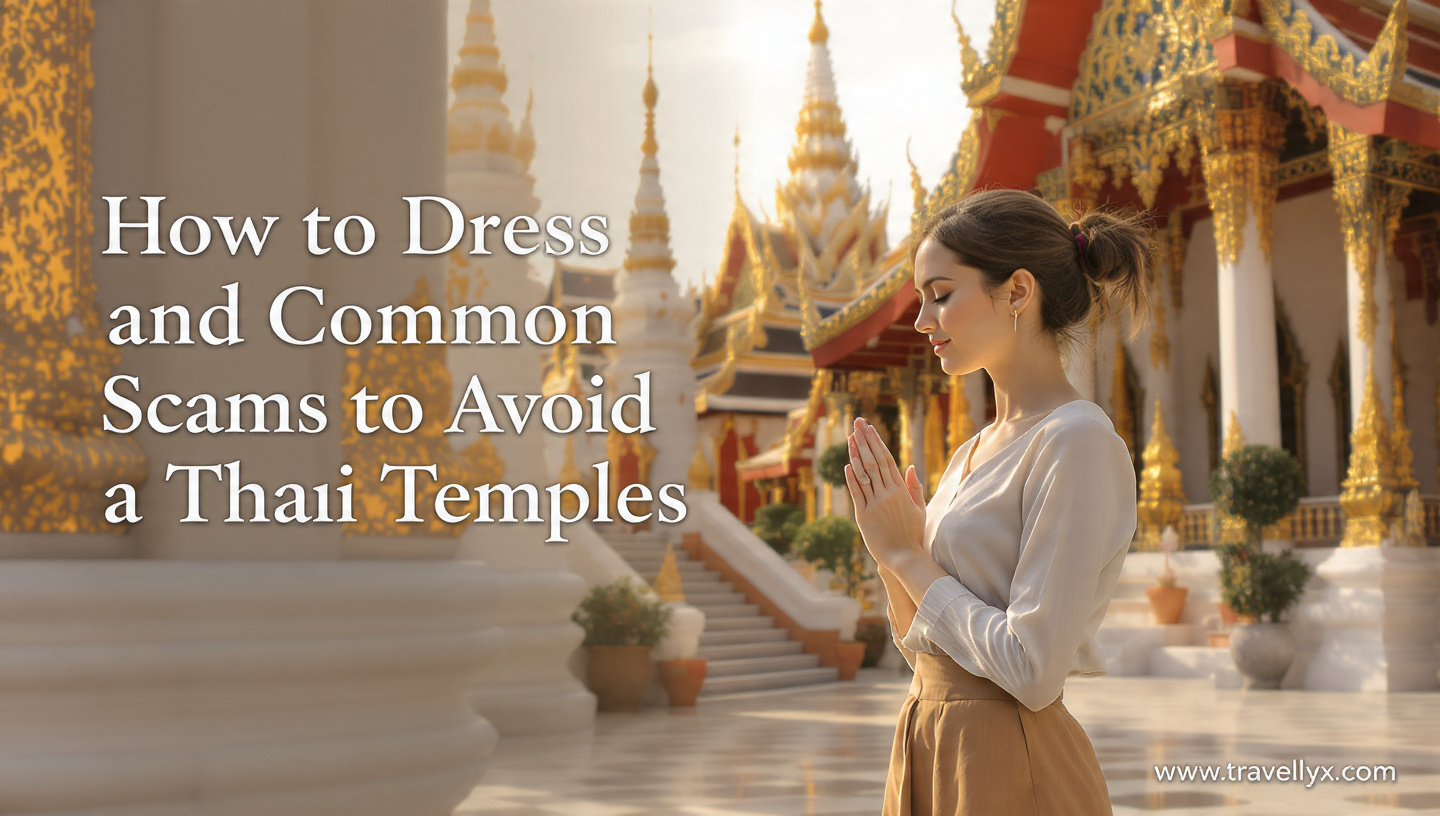
How to Dress and Common Scams to Avoid at Thai Temples
Planning to visit the stunning temples of Thailand? You’re in for an incredible cultural experience, but knowing how to dress appropriately and staying aware of common scams can make the difference between a respectful, enjoyable visit and an uncomfortable situation. This comprehensive guide will walk you through everything you need to know about how to dress and common scams to avoid at Thai temples, ensuring your temple visits are both respectful and stress-free.
Thai temples are sacred spaces where locals come to pray, meditate, and connect with their spiritual beliefs. As a visitor, showing respect through proper dress and behavior is essential. Unfortunately, some tourists also encounter scammers who take advantage of visitors unfamiliar with local customs. Don’t worry—by the end of this guide, you’ll be fully prepared to navigate Thai temples like a confident, culturally-aware traveler.
Understanding Thai Temple Culture and Respect
Before we dive into specific dress codes and scam prevention, it’s important to understand why these rules exist. Thai temples, known as “wats,” are active religious sites where Buddhism is practiced daily. These aren’t just tourist attractions—they’re living spiritual centers where people come to worship, and showing respect honors centuries of tradition and the beliefs of millions of Thai people.
Thai culture places tremendous importance on modesty, respect for religious figures, and proper behavior in sacred spaces. When you dress appropriately and conduct yourself respectfully, you’re not just following rules—you’re showing appreciation for Thai culture and making a positive impression as a visitor. This cultural sensitivity opens doors to more authentic experiences and warmer interactions with local people.
Cultural Insight: Buddhism teaches principles of mindfulness, compassion, and respect. By dressing modestly and behaving appropriately, you’re practicing these very principles, which Thai people deeply appreciate. Many travelers find that showing this respect leads to meaningful conversations with monks and locals who are happy to share their culture with considerate visitors.
Complete Dress Code Guide for Thai Temples
Understanding how to dress for Thai temples is simpler than many travelers expect. The key principle is modesty—covering your shoulders and knees is the fundamental rule. However, let’s break down exactly what this means in practical terms so you can pack appropriately for your trip.
What to Wear: The Essential Rules
Cover Your Shoulders
Your tops must completely cover your shoulders. Tank tops, sleeveless shirts, spaghetti straps, and off-shoulder tops are not acceptable. Choose t-shirts, blouses, button-up shirts, or any top with sleeves that cover your shoulders fully.
Cover Your Knees
Pants, skirts, or dresses should extend below your knees. Shorts, mini-skirts, and capri pants that end above the knee are inappropriate. Loose-fitting pants, maxi skirts, midi dresses, or knee-length shorts are all perfect choices.
Remove Your Shoes
You must remove your shoes before entering temple buildings. Wear sandals or slip-on shoes that are easy to remove and put back on. You’ll be doing this frequently, so comfortable, easy-access footwear is essential.
Dress Modestly
Avoid tight, revealing, or see-through clothing. Your clothing should be loose-fitting and opaque. Yoga pants, leggings worn as pants, and form-fitting dresses are generally discouraged unless worn with a long covering.
Recommended Clothing for Men
Men visiting Thai temples should wear long pants or knee-length shorts paired with a t-shirt or collared shirt that covers the shoulders. Lightweight cotton or linen pants work wonderfully in Thailand’s warm climate. Avoid tank tops, sleeveless shirts, and very short shorts. A simple outfit of khaki pants and a breathable short-sleeve shirt is perfect for temple visits and keeps you comfortable in the heat.
Many men find that wearing breathable, quick-dry pants designed for travel provides the best combination of comfort and appropriateness. These pants keep you cool while ensuring you’re always dressed appropriately for spontaneous temple visits throughout your day.
Recommended Clothing for Women
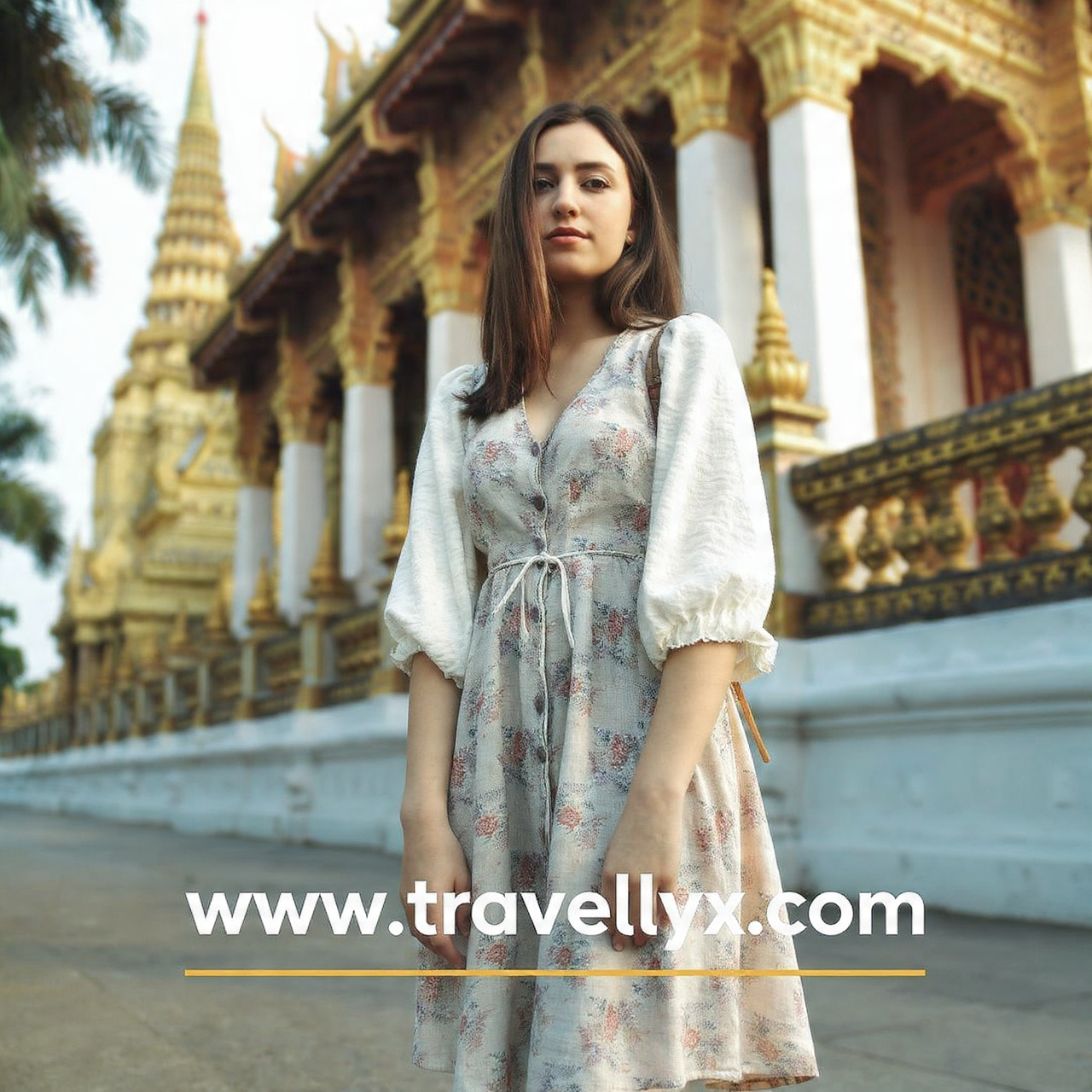
Women have several excellent options for temple-appropriate clothing. Long, flowing skirts paired with modest tops create a comfortable and respectful outfit. Maxi dresses with sleeves are another great choice. Loose linen pants or palazzo pants with a simple t-shirt or blouse work perfectly. Many female travelers bring a lightweight scarf or shawl that can be wrapped around shoulders or waist if needed for extra coverage.
Consider packing dresses or skirts that hit mid-calf or ankle length—these provide plenty of coverage while keeping you cool. Avoid anything too tight, too short, or too revealing. Remember that air-conditioned temples can be surprisingly cool, so a light cardigan or wrap serves the dual purpose of providing warmth and additional modesty.
Packing Tip: Bring at least two temple-appropriate outfits for your Thailand trip. This ensures you always have something clean and suitable to wear, even if you’re doing temple visits on consecutive days. Lightweight, breathable fabrics that dry quickly are your best friends in Thailand’s tropical climate.
What NOT to Wear to Thai Temples
Being clear about what to avoid is just as important as knowing what to wear. Here’s a definitive list of clothing items that are inappropriate for Thai temple visits:
- Tank tops, halter tops, or any sleeveless clothing
- Shorts that don’t reach your knees (for both men and women)
- Mini-skirts, short dresses, or skirts above the knee
- Ripped or torn clothing, even if it’s fashionable
- See-through or transparent fabrics
- Tight-fitting clothing like leggings worn as pants
- Clothing with offensive images or text
- Beach wear, bikini tops, or swimwear
- Crop tops or any top that shows your midriff
Some temples, particularly the most famous ones like Wat Phra Kaew (Temple of the Emerald Buddha), enforce these dress codes very strictly. Guards at the entrance will turn away visitors who aren’t dressed appropriately, so it’s much better to come prepared than to be denied entry.
Special Considerations and Exceptions
Most major tourist temples offer rental clothing at the entrance for visitors who arrive improperly dressed. These rental services typically include long pants, skirts, or wraps that cover your legs, and sometimes shawls for shoulder coverage. However, these rentals usually require a deposit and can be inconvenient, uncomfortable, or unsanitary. It’s always better to dress appropriately from the start.
During Thailand’s rainy season (roughly May to October), carrying a lightweight, packable rain jacket is smart. Make sure it’s long enough to cover your shoulders and can be worn over your outfit. This keeps you dry during sudden downpours while maintaining appropriate dress.
Temple Dress Code Checklist
Before heading to a Thai temple, quickly check:
- Are my shoulders completely covered?
- Do my pants, skirt, or dress extend below my knees?
- Is my clothing modest and not too tight or revealing?
- Am I wearing shoes that are easy to remove?
- Have I removed any hats or sunglasses before entering?
Common Scams at Thai Temples: How to Spot and Avoid Them
Unfortunately, the popularity of Thai temples with tourists has attracted scammers who prey on visitors’ unfamiliarity with local customs and temple practices. Being aware of these common scams helps you avoid frustration, wasted money, and ruined experiences. The good news is that these scams are predictable and easy to avoid once you know what to watch for.
The “Temple is Closed” Scam
How This Scam Works
As you approach a popular temple, a friendly local approaches and tells you the temple is closed for a special ceremony, holiday, or cleaning. They then offer to take you to another temple, a special “lucky Buddha,” or arrange a tuk-tuk tour to other attractions. This is almost always a scam.
The reality is that major temples in Thailand rarely close during regular visiting hours. Scammers tell tourists the temple is closed to redirect them to commission-paying shops (especially gem stores), less-visited temples where the scammer gets a fee, or overpriced tour services. The scammer may seem genuinely helpful and knowledgeable, which is exactly how they gain your trust.
How to Avoid It: If someone tells you a temple is closed, thank them politely and walk to the temple entrance yourself to verify. Don’t accept alternative suggestions from strangers. Check official temple websites or your hotel concierge for accurate information about opening hours before you go. Major temples like Wat Phra Kaew, Wat Pho, and Wat Arun have consistent daily opening hours and only close on very rare occasions.
The Dress Code Violation Scam
Some scammers position themselves near temple entrances and stop tourists, claiming their clothing violates the dress code. They then direct visitors to specific nearby shops where pants, skirts, or scarves are sold at inflated prices. While dress codes are real and enforced, these particular scammers exaggerate requirements or claim violations that don’t exist.
Legitimate temple staff who enforce dress codes will either deny you entry and point you toward the official rental service (at major temples) or simply won’t let you in. They won’t direct you to specific shops, and they won’t accept “fees” to let you enter inappropriately dressed.
How to Avoid It: Dress appropriately before you arrive at the temple (as detailed in this guide). If you’re unsure whether your outfit is acceptable, ask your hotel staff before leaving. Legitimate dress code enforcement happens at the official entrance, not on the street approaching the temple. If someone on the street claims you’re dressed inappropriately, walk directly to the temple entrance to check with actual temple staff.
Important: Real temple dress codes are enforced by official staff at the entrance gate. These staff members wear uniforms or badges identifying them as temple employees. They will never ask you for money directly or direct you to specific stores. They may offer temple-provided rental clothing (at major tourist temples) or simply refuse entry until you return properly dressed.
The Bird and Fish Feeding Scam
Vendors sell small bags of bird seed or fish food near temples, encouraging tourists to “make merit” (earn good karma) by feeding birds or fish. While feeding animals can be a legitimate religious practice in Buddhism, these vendors drastically overcharge tourists, and the practice isn’t actually common or expected at most temples.
These vendors may become pushy or try to hand you food first and demand payment afterward. Some claim it’s a required temple donation or blessing, which is never true.
How to Avoid It: Politely decline if approached. If you genuinely want to make merit at a temple, there are more meaningful ways to do so, such as lighting incense or making a modest donation in the official donation boxes inside the temple. Don’t accept anything from vendors that you haven’t explicitly agreed to purchase, and don’t feel pressured by claims about religious requirements.
The “Lucky Buddha” or “Special Ceremony” Scam
A friendly stranger (often posing as a student, teacher, or tourist) strikes up a conversation and mentions a special “lucky Buddha” ceremony happening today, or a famous temple that’s not in guidebooks. They offer to take you there in a tuk-tuk, often at a very low price or even “free.”
The destination is typically a far-flung location where you’ll be pressured to visit shops (especially gem or tailoring shops) where the driver receives a commission. You might see a Buddha statue, but the real goal is getting you to commission-paying businesses. Sometimes you’ll be stranded far from your original destination with a driver demanding an inflated return fare.
How to Avoid It: Be very skeptical of friendly strangers who approach you near major tourist sites with unsolicited advice or tour offers. Decline politely but firmly. Stick to temples and attractions from reputable guidebooks or recommendations from your hotel. Agree on tuk-tuk or taxi fares before getting in the vehicle, and use metered taxis or ride-sharing apps like Grab when possible.
The Gem Store Scam
This elaborate scam often starts near temples when someone befriends tourists and eventually steers conversation toward a “special government jewelry sale” or “tax-free gem export opportunity.” You’re taken to a jewelry or gem shop where high-pressure sales tactics convince you to buy gems, with promises that you can resell them at home for huge profits.
The gems are either fake, severely overpriced, or worth far less than claimed. The “certificates” provided are meaningless, and no one back home will buy your “investment gems” for anywhere near what you paid.
How to Avoid It: Never buy gems or jewelry from shops recommended by tuk-tuk drivers, friendly strangers, or anyone who approaches you near tourist sites. There are no special government jewelry sales for tourists. If you want to buy jewelry in Thailand, research reputable shops independently and never buy with the expectation of reselling for profit.
The Fake Monk Scam
Occasionally, scammers dress as Buddhist monks and approach tourists for donations or try to sell amulets and bracelets. Real monks in Thailand follow strict rules: they don’t aggressively ask tourists for money, they don’t sell items directly, and they observe specific behaviors around money and women.
How to Spot It: Genuine monks won’t chase after tourists or be pushy. They receive alms in the early morning from locals in a formal ritual. If someone dressed as a monk is aggressively selling items or demanding money at tourist sites during the day, they’re likely not a real monk.
The Entrance Fee Scam
Some scammers position themselves before the actual temple entrance and try to collect “entrance fees” from tourists. While many major temples do charge entrance fees (usually 50-500 baht), these fees are collected at official ticket booths with clear signs and receipts.
Scammers may claim that you need to pay them before proceeding, or that the standard entrance fee has suddenly increased to an absurd amount. They pocket your money and you may end up paying twice when you reach the real entrance.
How to Avoid It: Only pay entrance fees at clearly marked official ticket booths with posted prices. These booths issue proper tickets or receipts. Research the actual entrance fee for major temples before visiting (information is readily available online). If someone demands payment before you’ve reached the obvious main entrance, politely ignore them and continue walking to the official entrance.
The Overpriced Tour Guide Scam
Unofficial tour guides approach tourists outside temples offering their services at what seems like a reasonable rate. After the tour, they demand much higher payment than initially agreed, become aggressive, or claim there were “additional fees” never mentioned upfront.
While there are legitimate tour guides in Thailand, the best ones are booked through reputable tour companies, hotels, or official platforms. Guides who randomly approach tourists at temple entrances are often operating without proper credentials and have a reputation for overcharging.
How to Avoid It: Book tours through your hotel, reputable online platforms, or licensed tour companies. If you prefer exploring independently, most major temples have English signage and free maps. Many temples also offer optional audio guides for a small, clearly posted fee. Never agree to a tour from someone who randomly approaches you, and if you do hire an independent guide, agree on the complete price in writing before starting.
Proper Temple Etiquette Beyond Dress Code
Knowing how to dress for Thai temples is crucial, but understanding proper behavior inside temples is equally important. These guidelines help you show respect and avoid accidentally offending anyone or breaking important religious rules.
Shoe Removal Etiquette
Always remove your shoes before entering any temple building. Look for areas where other visitors have left their shoes—these are usually at the entrance steps or designated shoe racks. Your shoes will generally be safe, as theft is rare at temples. If you’re concerned, you can carry your shoes with you in a bag, though this isn’t necessary at most temples.
Some temples have outdoor areas where shoes are permitted and indoor areas where they must be removed. When in doubt, observe what other visitors and worshippers are doing, or look for signs indicating whether the area requires shoe removal.
Buddha Image Respect
Buddha images are deeply sacred to Thai people. Never climb on, point your feet toward, or turn your back to Buddha images for photos. When sitting near Buddha images, tuck your feet beneath you or to the side—pointing the soles of your feet toward a Buddha is considered extremely disrespectful in Thai culture.
Never touch Buddha images or place objects on them. If you want to take photos with Buddha statues, position yourself respectfully to the side or front, never with your back to the Buddha or in a way that appears mocking or disrespectful.
Photography Tip: While most temples allow photography in outdoor areas, many prohibit photos inside main halls or of specific sacred objects. Always look for signs or ask permission before photographing inside temple buildings. When taking photos, be mindful of people who are praying or meditating—keep your distance and don’t disturb their practice.
Monk Interaction Guidelines
Monks are highly respected in Thai society, and specific etiquette applies when interacting with them. Women should never touch monks or hand objects directly to them. If a woman needs to give something to a monk, she should place it on a cloth or table, or have a man hand it over. This isn’t about inequality—it’s a religious vow that monks take, and respecting it shows cultural understanding.
When walking past monks, particularly in temple corridors or narrow spaces, lower your head slightly as you pass as a sign of respect. If a monk is sitting, avoid positioning yourself higher than them by standing—sit down or crouch to speak with them.
Many monks appreciate the opportunity to practice English with tourists and may initiate friendly conversations. These interactions are wonderful cultural exchanges, but remember that monks follow strict schedules of prayer and study, so be respectful of their time.
Quiet and Respectful Behavior
Temples are places of worship, not just tourist attractions. Speak quietly, turn off or silence your phone, and avoid loud or boisterous behavior. If you encounter people praying or meditating, give them space and move quietly around them.
Public displays of affection are inappropriate in Thai temples. Keep physical contact with your travel companions minimal and respectful within temple grounds.
Making Merit and Donations
If you’d like to participate in Buddhist practices, you can “make merit” by lighting incense, offering flowers, or making small donations in the official donation boxes inside temples. These boxes are clearly marked and located in prominent places inside temple buildings.
Donations are never required and should never be demanded. If someone aggressively asks you for money at a temple, they’re not representing the temple officially. Legitimate temples have donation boxes where you can contribute whatever amount you choose, with no pressure and no expectations.
Temple Etiquette Quick Reference
- Remove shoes before entering buildings
- Dress modestly with covered shoulders and knees
- Never point feet toward Buddha images
- Women should not touch monks
- Speak quietly and behave respectfully
- Don’t climb on religious structures or statues
- Ask before taking photos inside buildings
- Lower your head when passing monks
- Keep public affection minimal
- Make donations only in official boxes
Planning Your Temple Visits: Practical Tips
Beyond knowing how to dress and avoiding scams, planning your temple visits strategically makes for a much better experience. Here are practical tips that will help you make the most of your Thai temple adventures.
Best Times to Visit Temples
Early morning visits offer the most peaceful experience with fewer crowds and cooler temperatures. Many temples open around 6:00 or 7:00 AM, and visiting during these early hours lets you experience temples in a more authentic, spiritual atmosphere before tour groups arrive.
Avoid visiting temples during the middle of the day (11 AM to 2 PM) when temperatures are highest and crowds are largest. Late afternoon (around 4:00 to 5:00 PM) is another excellent time—the light is beautiful for photographs, temperatures are more comfortable, and crowds have thinned.
What to Bring
Pack light but smart for temple visits. Essential items include:
- A lightweight scarf or shawl for extra shoulder coverage if needed
- Comfortable walking sandals or slip-on shoes
- Small bills for donations or entrance fees (major temples accept larger bills, but small temples prefer smaller denominations)
- Water bottle to stay hydrated (temple grounds can be large, and Thailand is hot)
- Sunscreen and a hat for outdoor temple areas (remove hat before entering buildings)
- Camera or phone for photos
- Small plastic bag to carry your shoes if desired
Leave large bags at your hotel if possible. Many temples have free bag storage, but traveling light makes navigating temple grounds much easier.
Combining Multiple Temple Visits
Bangkok’s major temples are relatively close together, making it easy to visit several in one day. The classic Bangkok temple route includes Wat Phra Kaew (Temple of the Emerald Buddha), Wat Pho (Temple of the Reclining Buddha), and Wat Arun (Temple of Dawn). These three temples can be visited in a single day with proper planning.
Start at Wat Phra Kaew early in the morning, then walk to nearby Wat Pho (about 10 minutes), and take a short ferry across the river to Wat Arun. This route minimizes travel time and lets you experience three of Thailand’s most spectacular temples efficiently.
In Chiang Mai, temples are spread throughout the old city and surrounding areas. Renting a bicycle or scooter makes visiting multiple temples easy and enjoyable. Alternatively, songthaews (red pickup truck taxis) can take you between temples affordably.
Money-Saving Tip: Many smaller, neighborhood temples have no entrance fee at all and offer equally fascinating architecture and spiritual experiences. While the famous temples are definitely worth visiting, don’t overlook the smaller wats in residential neighborhoods where you’ll encounter fewer tourists and more authentic local religious practice.
Guided Tours vs Independent Exploration
Both approaches have merits. Guided tours provide historical context, ensure you don’t miss important details, and handle logistics like transportation. Book tours through reputable companies or your hotel for the best experience.
Independent exploration offers flexibility, peace, and the ability to spend as much time as you want at each temple. Most major temples have English information plaques, and you can research temples beforehand to understand their significance. Many travelers find that a combination works well—taking a guided tour of one or two major temples to learn the basics, then exploring others independently with that foundation of knowledge.
Temple-Specific Information and Tips
Different temples have different characteristics, and knowing what to expect helps you plan better visits.
Wat Phra Kaew (Temple of the Emerald Buddha)
Located within the Grand Palace complex in Bangkok, this is Thailand’s most sacred temple. Dress code enforcement is very strict here—guards will not let you enter if you’re wearing shorts, skirts above the knee, or sleeveless tops. The temple complex is large and requires several hours to explore properly. Entrance fee is 500 baht, which includes access to the Grand Palace. Arrive early to avoid overwhelming crowds.
Wat Pho (Temple of the Reclining Buddha)
Home to a massive 46-meter-long reclining Buddha, Wat Pho is also the birthplace of traditional Thai massage. The temple is more relaxed than Wat Phra Kaew but still enforces dress codes. Entrance fee is 200 baht. The temple grounds are extensive with beautiful gardens and dozens of Buddha images. This temple is excellent for independent exploration.
Wat Arun (Temple of Dawn)
This stunning temple on the west bank of the Chao Phraya River features a distinctive Khmer-style prang (tower) that you can climb for panoramic river views. Wear appropriate clothing as always, and be prepared for steep stairs when climbing the prang. Entrance fee is 100 baht. The temple is particularly beautiful at sunset when lit up against the evening sky.
Chiang Mai Temples
Chiang Mai has over 300 temples, each with its own character. Wat Phra That Doi Suthep, located on a mountain overlooking the city, is the most famous and requires climbing 306 steps (or taking a funicular). Dress codes apply, but the atmosphere is generally more relaxed than Bangkok’s tourist temples. Many Chiang Mai temples are free to enter, with small suggested donations.
Temple Festival Dates: During important Buddhist holidays and festivals, temples may be exceptionally crowded or have modified hours. Major festivals include Vesak Day (Buddha’s birthday) in May, Khao Phansa (beginning of Buddhist Lent) in July, and Loy Krathong in November. These are fascinating times to visit but require extra patience with crowds.
Cultural Sensitivity and Mindful Tourism
As you explore Thai temples, remember that you’re a guest in sacred spaces that are central to many people’s spiritual lives. Mindful, respectful tourism benefits everyone—you have a richer experience, local communities appreciate your cultural sensitivity, and Thailand’s spiritual heritage is honored.
Take time to observe and learn rather than rushing through temples just to check them off a list. Watch how Thai people interact with these sacred spaces—notice their gestures of respect, their quiet reverence, and their devotional practices. This observation teaches you more about Thai Buddhism and culture than any guidebook can.
Consider making a modest donation at temples you visit, especially smaller neighborhood temples that receive less tourist income. These donations support temple maintenance, community programs, and the monks who live there. Even a small contribution of 20-40 baht is appreciated.
Share your knowledge with other travelers you meet. If you notice someone behaving inappropriately or dressed unsuitably for temple visits, a kind, quiet word can help them learn. Most people aren’t trying to be disrespectful—they simply don’t know the cultural expectations.
Meaningful Engagement: If you’re interested in learning more about Buddhism, many temples offer meditation sessions, dharma talks, or monk chats where you can ask questions and learn about Buddhist philosophy. These programs are usually free or donation-based and provide deep insights into Thai culture and spirituality.
Frequently Asked Questions
What should I wear to Thai temples?
Wear clothing that covers your shoulders and knees. Choose modest tops, long pants, or long skirts. Avoid tank tops, shorts, mini-skirts, and revealing clothing. Remove shoes before entering temple buildings.
Can I wear sandals to Thai temples?
Yes, sandals are actually recommended because you’ll need to remove your shoes frequently when entering temple buildings. Choose comfortable sandals that are easy to slip on and off.
What are the most common scams at Thai temples?
Common scams include fake temple closure notices, overpriced dress code violations, bird feeding schemes, gem scams near temples, fake monks, and overpriced tours or transportation arranged by tuk-tuk drivers.
Is it free to enter Thai temples?
Many local neighborhood temples are free to enter. Major tourist temples like Wat Phra Kaew and Wat Arun charge entrance fees ranging from 50 to 500 baht. Free temples never suddenly start charging fees.
Can I take photos inside Thai temples?
Photography rules vary by temple. Many allow photos in outdoor areas but prohibit them inside main halls with Buddha images. Always look for signs or ask permission before taking photos.
Do I need to cover my head in Thai temples?
No, you do not need to cover your head in Buddhist temples in Thailand. This is a common misconception. Only shoulders and knees need to be covered.
What should I do if someone says the temple is closed?
Be skeptical if someone approaches you outside a major temple saying it’s closed. Walk to the entrance yourself to verify. This is a common scam to redirect tourists to commission-paying shops or tours.
Are women allowed to touch monks in Thailand?
No, women should not touch monks or hand objects directly to them. If you need to give something to a monk, place it on a cloth or have a man hand it over. This is an important religious rule.
How much should I donate at Thai temples?
Donations are completely voluntary and any amount is appreciated. At neighborhood temples, 20-40 baht is common. At larger temples or if you’ve spent significant time there, 50-100 baht is generous. Only donate what you’re comfortable with.
Can I visit temples during my period?
Yes, this is perfectly acceptable. There are no restrictions in Thai Buddhism regarding women visiting temples during menstruation, despite some misconceptions or traditional beliefs in other cultures.
Final Thoughts on Respectful Temple Visiting
Understanding how to dress and common scams to avoid at Thai temples transforms your temple visits from potentially stressful experiences into meaningful cultural encounters. By covering your shoulders and knees, behaving respectfully, and staying aware of common tourist scams, you’re fully prepared to explore Thailand’s magnificent temples with confidence.
Remember that these dress codes and behavioral expectations aren’t arbitrary rules meant to inconvenience tourists—they’re expressions of deep religious beliefs and cultural values that have existed for centuries. When you respect these traditions, you’re participating in the preservation of Thai cultural heritage and showing appreciation for the generosity with which Thailand welcomes millions of visitors each year.
Thai temples offer some of the most breathtaking architecture, profound spiritual experiences, and rich cultural insights available to travelers anywhere in the world. From the glittering spires of Bangkok’s Grand Palace to quiet neighborhood wats where monks go about their daily routines, each temple visit provides a window into the soul of Thai society.
Pack your modest clothing, keep your awareness sharp regarding potential scams, approach each temple with respectful curiosity, and you’ll create memories that last long after your trip ends. Thailand’s temples are ready to welcome you—now you’re ready to visit them properly.
Safe travels, and may your temple explorations be filled with wonder, respect, and authentic cultural connection!