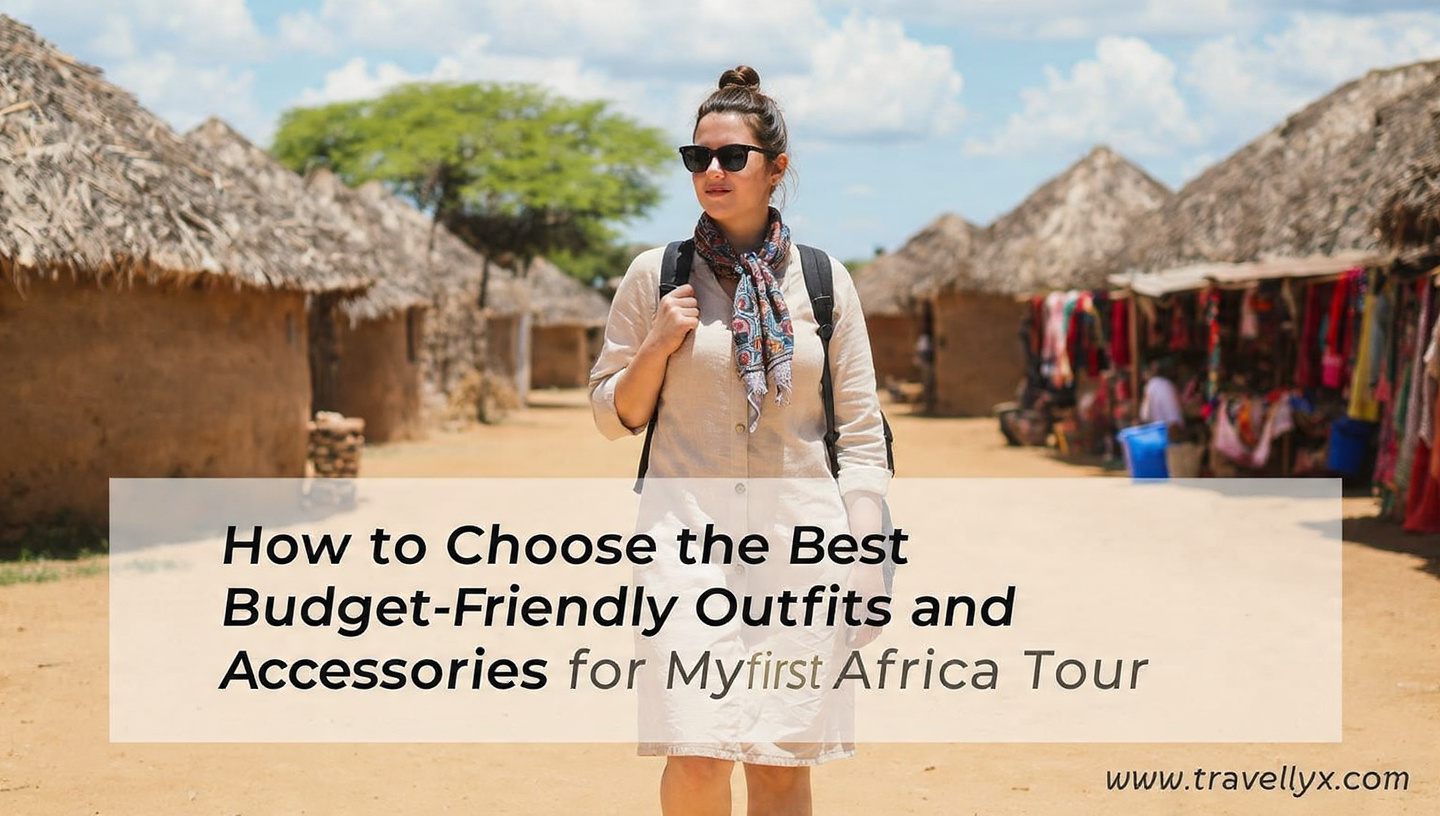
How to Choose the Best Budget-Friendly Outfits and Accessories for my First Africa Tour
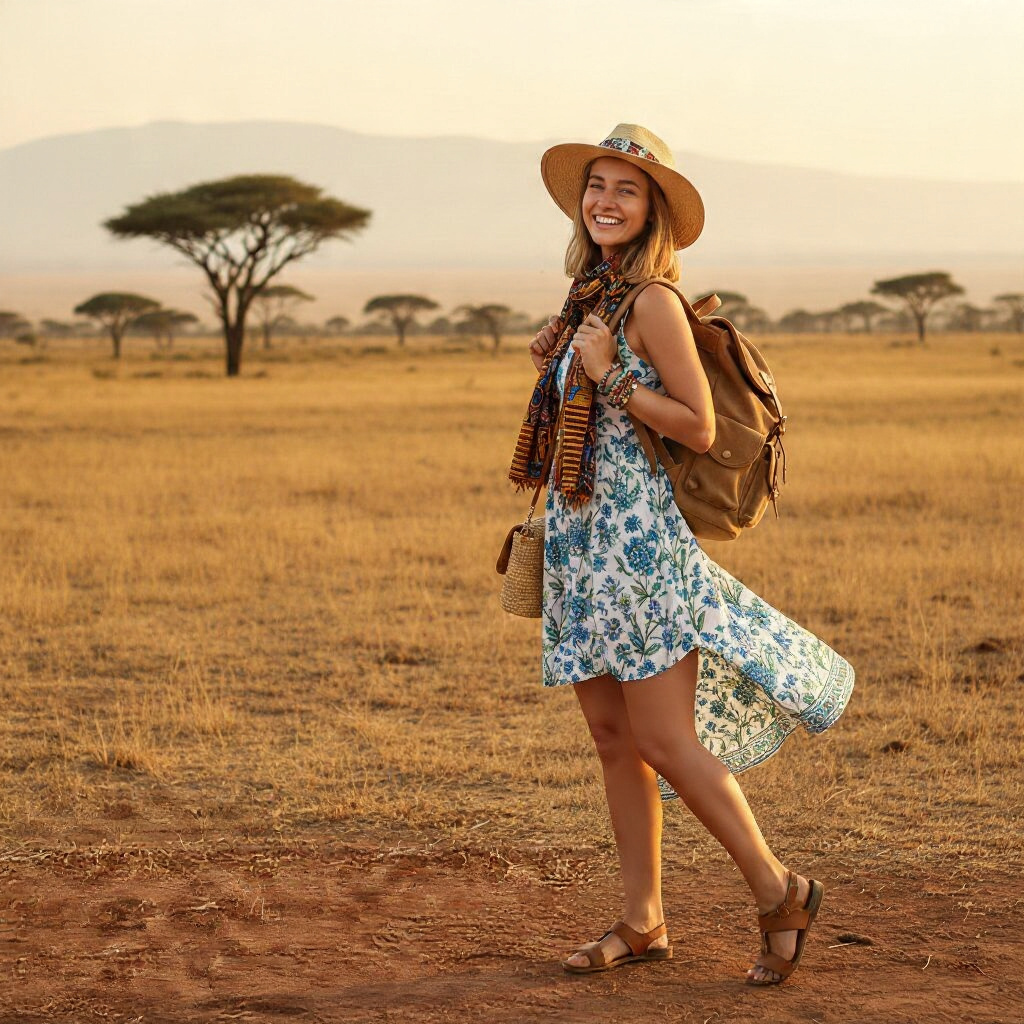
Planning your first Africa tour as a solo female traveler is exciting, but figuring out what to pack can feel overwhelming. You want to look good, stay comfortable, and not break the bank while preparing for this adventure of a lifetime. The good news is that you absolutely can build a practical, stylish travel wardrobe without spending a fortune. In this comprehensive guide, I will show you exactly how to choose the best budget-friendly outfits and accessories for your first Africa tour, covering everything from essential clothing items to smart shopping strategies that will save you money while keeping you comfortable throughout your journey.
Understanding What Makes Africa Travel Clothing Different
Before we dive into specific outfit recommendations, it is important to understand why Africa requires a slightly different approach to your travel wardrobe. The continent is incredibly diverse, with varying climates, cultures, and terrains that all influence what you should pack. Whether you are heading to a safari in Kenya, exploring the markets of Morocco, or relaxing on the beaches of Zanzibar, your clothing needs will be unique.
Africa’s intense sun, unpredictable weather patterns, and cultural expectations mean you need clothing that protects you from the elements while remaining respectful of local customs. Many regions have strong daytime heat but surprisingly cool evenings, so layering becomes essential. Additionally, if you are planning safari activities, you will need clothing in specific colors that do not disturb wildlife.
Building Your Budget-Friendly Africa Travel Capsule Wardrobe
The secret to packing smart and saving money is creating a capsule wardrobe. This means selecting a limited number of versatile pieces that can be mixed and matched to create multiple outfits. For a typical two-week Africa tour, you can get by comfortably with just seven to ten clothing items, plus accessories.
Essential Tops for Your Africa Tour
Start with three to four lightweight, long-sleeved shirts in neutral colors. Long sleeves protect you from the sun and insects, which is especially important during safari drives and evening activities. Look for shirts made from moisture-wicking materials that dry quickly if you need to hand wash them in your accommodation.
- Uniqlo AIRism UV Protection Long-Sleeve Shirts (around $20 each): These are incredibly lightweight, offer UPF 40 sun protection, and come in multiple neutral colors perfect for Africa travel. They dry almost instantly after washing.
- Columbia PFG Tamiami Long Sleeve Shirts (around $35 during sales): While slightly pricier, these offer excellent ventilation, UPF 40 protection, and roll-up sleeves. Watch for Columbia’s semi-annual sales where these often drop to $25.
- Amazon Essentials Women’s Lightweight Long-Sleeve T-Shirts (around $12-15): A solid budget option that provides basic sun coverage without fancy features, perfect if you are on a tight budget.
- Old Navy Relaxed Soft-Brushed Tunic Tops (around $15-20): Great for more casual sightseeing days and respectful coverage in conservative areas. The longer length is flattering and practical.
Add one or two short-sleeved shirts for extremely hot days or for wearing around your accommodation. Choose breathable fabrics like cotton or cotton blends that allow air circulation. Avoid pure synthetic materials for short sleeves as they can feel sticky in intense heat.
Bottoms That Work Hard for You
For bottoms, you need two to three versatile options that transition from safari vehicles to restaurants to walking tours. Convertible pants that zip off into shorts are a traveler favorite because they give you two pieces in one, though regular lightweight pants work just as well if you prefer them.
Convertible pants from brands like Outdoor Research, Prana, or Columbia typically range from $60-90 at regular price, but you can find excellent budget alternatives. CQR Tactical Pants on Amazon cost around $30-35 and offer similar functionality with multiple pockets, lightweight fabric, and decent durability. Another option is the BALEAF Women’s Convertible Hiking Pants at around $40, which have UPF 50 sun protection built in.
For a more feminine option, consider loose-fitting linen or cotton blend pants. These provide excellent breathability and look more polished if you are visiting cities or dining at nicer restaurants. H&M, Target, and Old Navy often have wide-leg or palazzo pants in neutral colors for $20-30 that work beautifully for Africa travel.
Do not forget about one comfortable pair of shorts for very hot days or beach destinations. Quick-dry athletic shorts or casual walking shorts work well. Brands like Baleaf, CRZ Yoga, or 90 Degree by Reflex offer comfortable, affordable options around $20-25 that look good and dry quickly.
Dresses and Skirts for Versatility
One or two dresses can be incredibly valuable in your Africa travel wardrobe. A simple maxi dress or midi dress takes up minimal packing space, keeps you cool, and can be dressed up or down depending on your activities. Look for dresses with pockets for carrying essentials during day trips.
Budget-friendly dress options include Amazon’s Daily Ritual Jersey Maxi Dresses (around $25-30), Old Navy Sleeveless Maxi Dresses (around $20-25 during sales), or Target’s Universal Thread collection which frequently offers casual travel dresses under $30. Choose solid colors or subtle patterns in earth tones that coordinate with your other items.
A lightweight midi skirt can also be a smart addition, especially for destinations where shorts might be considered inappropriate. Wrap skirts are particularly practical because they adjust to your body and can be styled different ways. You can find affordable options at H&M, Forever 21, or Shein for $15-25, though pay attention to fabric quality and choose natural fibers when possible.
Footwear Essentials for Africa Travel
Shoes can quickly become one of the most expensive parts of your travel wardrobe, but they are also one of the most important. You need footwear that protects your feet during safari walks, provides support for city exploring, and keeps you comfortable during long travel days. The good news is that you only need two to three pairs of shoes for most Africa tours.
Walking Shoes and Hiking Boots
Your primary pair of shoes should be comfortable, closed-toe walking shoes or lightweight hiking boots. These protect your feet and ankles, provide good traction, and work for most activities you will encounter. If your tour includes actual hiking or walking safaris, invest in proper hiking boots with ankle support. Otherwise, sturdy walking shoes or trail runners work perfectly well.
- Merrell Moab 2 Waterproof Hiking Shoes ($90-110): These are considered the gold standard for travel hiking shoes and frequently go on sale. They offer excellent support, durability, and comfort right out of the box with minimal break-in time needed.
- Columbia Newton Ridge Hiking Boots ($70-90): A more budget-friendly alternative that still provides good quality. These work well for moderate walking and safari activities.
- Skechers Go Walk or Go Trail Series ($40-60): If you are not doing serious hiking, these provide surprising comfort and support at a fraction of the cost. They are lightweight and breathable, perfect for city exploration and easy safari drives.
- Champion or All Pro Walking Shoes from Payless or Target ($30-45): For those on an extremely tight budget, these provide basic support and protection. They might not last for years of heavy use, but they will get you through your Africa tour comfortably.
Whatever shoes you choose, make sure to break them in before your trip. Wear them for several days of walking around your hometown to ensure they do not cause blisters or discomfort. This is especially important if you are buying new shoes specifically for your Africa tour.
Sandals for Downtime and Hot Weather
Bring one pair of comfortable, supportive sandals for wearing around your accommodation, during travel days, or in extremely hot weather. Avoid flimsy flip-flops that offer no support. Instead, choose sport sandals or walking sandals that you could reasonably wear for a few hours of casual walking.
Teva, Chaco, and Keen make excellent travel sandals, but they can be pricey at $60-100. Budget alternatives include Skechers sandals with memory foam ($30-40), Crocs LiteRide Sandals ($35-45), or athletic sandals from Target’s All in Motion line ($25-35). The key features to look for are adjustable straps, cushioned footbeds, and good traction on the sole.
Layering Pieces for Temperature Changes
Many travelers are surprised by how cool African evenings can be, especially on safari or in higher elevation areas. You will want one or two light layering pieces that pack small but provide warmth when temperatures drop.
A lightweight fleece jacket or zip-up hoodie works perfectly for most Africa destinations. Uniqlo’s fleece jackets cost around $20-30 and pack down small. Old Navy and Target frequently have fleece options under $25. For something even more packable, consider a lightweight down or synthetic puffy jacket. Amazon Essentials and 32 Degrees both offer affordable packable puffer jackets around $30-40 that stuff into their own pocket.
A versatile scarf or large shawl serves multiple purposes: it provides warmth during cool mornings, protects your shoulders from intense sun, can be used as a cover-up in conservative areas, and works as a blanket during long flights or bus rides. Cotton or lightweight wool scarves work best. You can find beautiful options at local markets in Africa itself, often for $10-20, which makes a meaningful souvenir that you will actually use.
Essential Accessories for Your Africa Tour
Accessories might seem like small details, but they make a huge difference in your comfort and safety during Africa travel. The right accessories protect you from the elements, keep your belongings secure, and add convenience to your daily activities.
Sun Protection Accessories
The African sun is no joke, and sun protection accessories are non-negotiable. A wide-brimmed hat protects your face, neck, and ears from intense UV rays during outdoor activities. Look for hats with at least a three-inch brim all the way around, made from breathable materials like cotton or straw.
Budget-friendly hat options include Scala cotton sun hats on Amazon (around $15-20), Coolibar sun hats during sales ($25-35), or even affordable options from Target and H&M ($12-18). Make sure your hat has an adjustable chin strap or drawstring so it does not blow off during safari drives. Some travelers prefer baseball caps, which work fine, but they do not protect your neck and ears as well as a wide-brimmed hat.
Bring a lightweight buff or neck gaiter for extra sun protection or to use as a dust shield during particularly dusty safari drives. These versatile accessories cost $10-15 and serve many purposes. You can wear them as a headband, face covering, or wristband depending on your needs.
Bags and Daypacks
You need a reliable daypack or crossbody bag for carrying daily essentials during tours and excursions. Choose something with anti-theft features like slash-resistant material, locking zippers, and RFID-blocking pockets if possible. Safety is important for solo female travelers, and a secure bag gives you peace of mind.
The Travelon Anti-Theft Classic Crossbody Bag ($30-40) offers excellent security features at a reasonable price. For a larger daypack, the Venture Pal 40L Lightweight Packable Backpack costs around $20-25 and works well for day trips. The Pacsafe Metrosafe LS200 Anti-Theft Shoulder Bag ($50-60) is slightly pricier but offers comprehensive security features that are worth it for valuables.
If you prefer a more stylish option that does not scream “tourist,” consider a canvas crossbody bag from brands like Kattee or S-ZONE on Amazon, which range from $25-40 and look more like everyday bags while still having good security features like interior zippered pockets.
Additional Must-Have Accessories
A reusable water bottle is essential for staying hydrated during your Africa tour. Choose an insulated bottle that keeps water cold in hot weather. Takeya, Simple Modern, and Iron Flask all offer quality insulated bottles for $15-25. Some tours provide water, but having your own bottle ensures you always have access to safe drinking water.
Bring a compact travel umbrella that serves double duty as rain protection and sun shade. The Repel Windproof Travel Umbrella ($20-25) is a reliable budget choice that holds up well in wind. A small combination lock ($8-12) secures your luggage and hostel lockers. Finally, a portable power bank ($15-30) keeps your phone charged for photos, navigation, and communication throughout long tour days.
Fabric Choices That Save Money and Maximize Comfort
Understanding fabric types helps you make smarter purchasing decisions and ensures your clothing performs well throughout your Africa tour. The right fabrics keep you comfortable in various conditions, dry quickly when washed, and last through multiple wearings without looking worn out.
Best Fabrics for Africa Travel
Lightweight cotton and cotton blends are excellent choices for Africa travel. Cotton breathes well in hot weather, feels soft against your skin, and is generally affordable. However, pure cotton takes longer to dry after washing, so look for cotton-polyester blends that combine comfort with quick-drying properties. A 60/40 or 70/30 cotton-poly blend gives you the best of both worlds.
Linen is another fantastic natural fiber for hot climates. It is extremely breathable and has a relaxed, stylish appearance. The main downside is that linen wrinkles easily, but this is generally acceptable for casual travel wear. Budget linen options are available at H&M, Target, and Old Navy during spring and summer seasons.
Merino wool might sound counterintuitive for Africa, but lightweight merino is actually excellent for travel. It regulates temperature well, naturally resists odors, and can be worn multiple times between washes. Uniqlo’s merino wool items are surprisingly affordable at $20-40, making this luxury fiber accessible on a budget. One merino shirt can be worn several times without washing, reducing how much you need to pack.
Fabrics to Avoid
Stay away from heavy denim, especially for pants. Jeans are hot, uncomfortable in African heat, take forever to dry if they get wet, and are not ideal for safari activities. If you love denim, bring one pair of lightweight chambray or stretch denim at most, but prioritize more practical options for the majority of your trip.
Avoid fabrics that require special care like dry-clean-only items or delicate silks. You will not have access to these services during most Africa tours, and hand washing delicate items becomes a hassle. Similarly, skip anything that wrinkles extremely easily unless you are okay with looking rumpled, as you will not have access to irons in many accommodations.
Color Strategies for Safari and Cultural Sensitivity
The colors you choose for your Africa travel wardrobe matter more than you might expect. For safari activities, certain colors are strongly recommended while others should be avoided entirely. Additionally, color choices affect how hot you feel in the African sun and influence how respectful your appearance is in different cultural contexts.
Best Colors for Safari Clothing
Neutral earth tones are the gold standard for safari wear. Khaki, olive green, tan, brown, and beige blend into the natural environment and do not disturb wildlife. These colors also hide dust and dirt remarkably well, which is practical when you are spending hours in open safari vehicles on dusty roads.
Gray and muted greens also work well and coordinate easily with other neutral pieces. The benefit of building a wardrobe around neutral colors is that everything mixes and matches effortlessly, maximizing your outfit combinations without needing to pack more items.
Colors to Avoid in Africa
Avoid bright white clothing for safari activities. White shows every speck of dust and dirt instantly, making you look disheveled quickly. It also reflects light in ways that can be more noticeable to animals. However, white or light colors can be fine for beach destinations or city sightseeing where you are not concerned about wildlife viewing.
Blue and black clothing should be avoided in areas where tsetse flies are present, particularly in some East African safari regions. These flies are attracted to dark blue and black colors and their bites can be painful. Ask your tour operator if tsetse flies are a concern in your specific destinations. In areas without tsetse flies, black can actually be a practical choice as it hides stains well.
Very bright colors like orange, red, and hot pink are not ideal for safari but can work fine in cities and towns. Some conservative communities prefer visitors to wear modest, less attention-grabbing colors, so save your brightest pieces for beach areas or more cosmopolitan cities.
Shopping Strategies to Maximize Your Budget
Now that you know what to buy, let us talk about how to buy it without breaking your budget. Strategic shopping can easily save you 30 to 50 percent on your Africa travel wardrobe. These proven strategies help you get quality gear at the best possible prices.
Timing Your Purchases
Shopping at the right time makes a significant difference in what you pay. End-of-season sales are your best friend when building a travel wardrobe. Purchase summer items in late August through September, and buy warm layers in March through April. Retailers deeply discount seasonal items to make room for new inventory, and you can score incredible deals on exactly what you need.
Major sale events like Black Friday, Cyber Monday, Memorial Day, and Labor Day offer substantial discounts on outdoor and travel gear. Sign up for email lists from your favorite retailers a few months before your trip to receive notifications about upcoming sales. Many stores also offer first-purchase discounts when you join their email list.
Best Budget-Friendly Retailers
Certain retailers consistently offer the best value for travel clothing. Uniqlo provides excellent quality basics at affordable prices, with their AIRism and Heattech lines being particularly good for travel. Decathlon, if available in your area or online, offers fantastic outdoor gear at unbeatable prices. Their in-house brands rival expensive outdoor companies at a fraction of the cost.
Target’s All in Motion line provides solid quality athletic and outdoor-inspired clothing at reasonable prices. Old Navy frequently runs 40 to 50 percent off sales where you can stock up on basics. Amazon offers thousands of options at various price points, though quality can be inconsistent, so read reviews carefully before purchasing.
For name-brand outdoor gear at reduced prices, check Sierra Trading Post, REI Outlet, Moosejaw, and Backcountry’s sale sections. These retailers sell overstock and previous seasons items from premium brands at 30 to 70 percent off regular retail prices. The gear is brand new, just in older colors or from previous years.
Secondhand and Rental Options
Do not overlook secondhand shopping for travel gear. Poshmark, ThredUp, and Mercari have extensive selections of gently used outdoor clothing at steep discounts. Many items are barely worn or even new with tags. You can find $80 Columbia pants for $25 or $100 Patagonia shirts for $35. Search specifically for travel and outdoor brands to find quality pieces.
Local consignment shops and outdoor gear exchanges in your area often have excellent selections of travel clothing. REI’s Used Gear section sells returned and gently used items at reduced prices with the same quality standards as new items. Sometimes you can find returned items that were worn once or never worn at significant discounts.
For items you might only use on this trip, consider renting. Rent the Runway and similar services allow you to rent nice dresses or outfits for specific occasions during your trip. Some outdoor gear rental companies let you rent hiking boots, backpacks, or technical gear if you do not want to invest in purchasing these items.
Creating Your Personalized Packing List
With all this information, it is time to create your specific packing list based on your destinations, activities, and budget. A well-planned list prevents over-packing and ensures you have everything you actually need without excess.
Core Wardrobe Template
For a typical two-week Africa tour including safari, city exploration, and some beach time, here is a proven wardrobe template that keeps you within budget while covering all your needs:
- Three long-sleeved shirts in neutral colors like khaki, olive, and tan ($45-90 total)
- Two short-sleeved t-shirts for casual wear ($20-40 total)
- Two pairs of convertible or lightweight pants in khaki and olive ($60-120 total)
- One pair of shorts for hot days and beach ($20-30)
- One casual dress or skirt for evenings ($20-35)
- One lightweight fleece or jacket for cool mornings ($20-40)
- Comfortable walking shoes or hiking boots ($40-110)
- Supportive sandals for downtime ($25-45)
- Wide-brimmed sun hat ($12-25)
- Quality sunglasses with UV protection ($15-35)
- Lightweight scarf or buff ($10-20)
- Crossbody bag or small daypack ($25-50)
- Reusable water bottle ($15-25)
- Undergarments and socks for 7-10 days ($40-70)
- Swimsuit if visiting beach areas ($20-40)
Total Estimated Budget: $380-755
By shopping sales, using secondhand options, and choosing budget retailers, you can easily bring this total to the $250-400 range while still getting quality items.
Adjusting for Your Specific Destinations
Modify this template based on your exact itinerary. If your tour focuses heavily on safari with minimal city time, add an extra pair of safari-appropriate pants and skip the dress. If you are visiting more conservative regions, include longer skirts or an additional long-sleeved tunic. Beach-heavy itineraries need an extra swimsuit and more casual clothing.
Research the specific regions you are visiting and their typical weather during your travel dates. East Africa’s dry season requires less warm layering than Southern Africa’s winter months. Coastal areas stay warm year-round, while highland regions cool down significantly at night. Your destination research directly influences what you pack.
Clothing Care and Maintenance During Your Trip
Keeping your clothing clean and in good condition during your Africa tour helps you look presentable throughout your trip and extends the life of your investment. Smart packing and simple maintenance strategies make this easier than you might expect.
Hand Washing Essentials
You will likely need to hand wash clothing during your Africa tour, especially if you are packing light. Bring a small container of concentrated travel laundry detergent or laundry sheets. Brands like Tide Travel Sink Packets or Sea to Summit Wilderness Wash are compact and work well in various water conditions. A single small bottle lasts through multiple trips.
A portable clothesline or travel hangers are incredibly useful. The stretchy clothesline with attached hooks costs around $8-12 and can be strung up in any accommodation. Alternatively, bring a few safety pins to create makeshift clotheslines or secure items to existing lines.
Dealing with Dust and Stains
Safari dust is inevitable, so embrace it rather than stressing about keeping clothes spotless. Your khaki and olive clothing hides dust remarkably well. A simple shake-out after each safari drive removes most loose dust. For stubborn dirt on shoes or pants, let it dry completely, then brush it off with your hand or a small brush.
Pack a small stain remover pen like Tide To Go ($3-5) for emergency spot treatment of food or drink spills. Address stains as quickly as possible for best results. Many accommodations offer laundry services for reasonable prices, usually $5-15 per load, which can be worth it for a mid-trip refresh of all your items.
Respecting Cultural Norms Through Your Clothing Choices
Africa is home to diverse cultures with varying expectations regarding appropriate dress. As a solo female traveler, being mindful of local customs through your clothing choices shows respect and can significantly impact how you are received in different communities.
General Guidelines for Modest Dressing
In most African countries, particularly in rural areas and more conservative regions, modest dress is appreciated. This typically means covering your shoulders and knees in public spaces, religious sites, and traditional villages. Your long-sleeved shirts and pants serve this purpose perfectly, and a lightweight scarf can quickly cover bare shoulders when needed.
Muslim-majority areas such as Zanzibar, northern Kenya, and North African countries appreciate more conservative dress. Women often cover their hair in religious spaces, so having a large scarf or wrap that can serve as a headscarf shows cultural sensitivity. You do not need to dress exactly like local women, but avoiding very revealing clothing demonstrates respect.
Beach and Resort Areas
Coastal resort areas and beaches frequented by tourists typically have relaxed dress codes where swimwear and beachwear are perfectly acceptable. However, when leaving the beach or pool area to go to restaurants or shops, covering up with a dress or shorts and top is expected. Walking through local villages in swimwear is generally considered disrespectful.
Some beaches, particularly in more conservative areas, prefer one-piece swimsuits or modest tankinis over bikinis. Research your specific beach destination beforehand to understand local norms. When in doubt, bring a lightweight cover-up that you can easily throw on when moving between the beach and other areas.
Safety Considerations for Solo Female Travelers
Your clothing choices contribute to your overall safety strategy as a solo female traveler in Africa. While you should never be blamed for others inappropriate behavior regardless of what you wear, certain practical considerations help you travel more comfortably and confidently.
Blending In Through Your Wardrobe
Dressing similarly to local women or other travelers helps you avoid standing out as an obvious tourist, which can make you less of a target for scams or unwanted attention. This does not mean you need to sacrifice your style completely, but choosing understated, practical clothing rather than flashy, expensive-looking items is smart.
Avoid wearing expensive jewelry, designer labels, or anything that broadcasts wealth. Leave your nice jewelry at home and bring simple, inexpensive accessories if desired. A basic watch or fitness tracker is fine, but an expensive smartwatch might attract unwanted attention. Your crossbody bag should look practical rather than luxury.
Practical Safety Features
Choose pants and shorts with secure zippered pockets for keeping small valuables close to your body. Deep pockets that can hold your phone, room key, and some cash are incredibly practical. Some travel pants have hidden security pockets designed specifically for passports or cash, which add extra peace of mind.
Your daypack or crossbody bag should have locking zippers and preferably slash-resistant straps. Wear crossbody bags across your body rather than hanging on one shoulder, and keep them in front of you in crowded areas. These simple precautions significantly reduce the risk of pickpocketing or bag snatching.
Special Activity Considerations
Certain activities during your Africa tour may require specific clothing beyond your basic wardrobe. Planning for these special situations ensures you are prepared for every experience on your itinerary.
Walking Safaris and Hiking
If your tour includes walking safaris or serious hiking, proper footwear becomes even more critical. Ankle-supporting hiking boots are worth the investment for these activities. Break them in thoroughly before your trip by wearing them for increasingly long walks over several weeks. Bring moleskin or blister patches in case hot spots develop despite preparation.
For walking safaris, gaiters can be useful to protect your lower legs from thorny vegetation and insects. Budget gaiters cost $15-25 and attach easily to most hiking boots. However, many travelers find that simply tucking pants into socks accomplishes the same goal without extra gear.
Hot Air Balloon Rides
Hot air balloon rides are popular safari activities, typically taking place during cool early mornings. Dress in warm layers that you can remove as the day heats up. Closed-toe shoes are required, and pants are more practical than skirts since you will be climbing in and out of the balloon basket. Bring a light jacket even if the forecast shows warm daytime temperatures.
Beach and Water Activities
For snorkeling, diving, or water sports, a rash guard provides sun protection and prevents chafing from equipment. Budget rash guards cost $15-30 and are worthwhile if you plan multiple water activities. A simple one-piece swimsuit or modest bikini works for most beach activities. Consider bringing water shoes ($15-25) if you will be walking on rocky beaches or coral.
Making Your Wardrobe Work Harder
The key to successful budget travel wardrobes is maximizing versatility. Every item should serve multiple purposes and work in various situations. This approach reduces how much you need to pack and buy while ensuring you are prepared for anything.
The Power of Layering
Layering allows one outfit to work in vastly different temperatures throughout a single day. Your long-sleeved shirt layers over a tank top for extra warmth or sun protection, then the outer layer comes off when temperatures rise. Your fleece jacket layers over everything on cool mornings, then stuffs into your daypack when no longer needed.
This layering strategy means you pack fewer total items but have more outfit flexibility. A capsule wardrobe of ten items that all layer together creates more practical outfit combinations than twenty pieces that do not coordinate well.
Multi-Purpose Accessories
Choose accessories that serve multiple functions. Your large scarf works as sun protection, a shawl for cool evenings, a modest cover-up, a beach blanket, a pillowcase for questionable accommodation pillows, and even a makeshift bag in emergencies. Your buff can be a headband, face covering, wrist sweatband, or hair tie. These versatile items justify their space in your luggage many times over.
Frequently Asked Questions
Final Budget Optimization Tips
As you finalize your Africa travel wardrobe purchases, keep these final money-saving strategies in mind to stretch your budget even further while ensuring you have everything you need for an amazing trip.
Borrow When Possible
Before buying everything new, ask friends and family if you can borrow items you might only use once. Someone in your circle probably has hiking boots, a daypack, or technical clothing from their own travel adventures. Borrowing reduces your costs to zero for these items, though make sure borrowed items fit properly and are in good condition.
Local outdoor gear libraries and recreation equipment lending programs exist in many cities, allowing you to borrow gear for minimal fees. Check with your local library system, outdoor recreation departments, or university outdoor programs if you are a student or alumni.
Invest in Quality for Key Items
While this guide emphasizes budget-friendly options, spending slightly more on a few key items pays off in comfort and durability. Your walking shoes or hiking boots are worth investing in because uncomfortable footwear ruins travel experiences. A good quality daypack lasts for years and serves you on many future trips.
The strategy is spending more on items you will use repeatedly (shoes, jackets, bags) while staying budget-conscious on items that are less critical or might only be used on this trip (casual shirts, shorts, accessories). This balanced approach optimizes both your budget and your travel experience.
Keep Receipts and Tags
As you build your travel wardrobe, keep all receipts and tags attached until you are sure each item works for you. Try on complete outfits at home, walk around in your shoes, and test pack your bags. If something does not fit right or does not work as expected, return it and try something else. Most retailers offer 30 to 90 day return policies that give you plenty of time to finalize your wardrobe choices.
This approach prevents you from wasting money on items that end up not working for your trip. It is better to spend a little extra time getting things right than to arrive in Africa with uncomfortable shoes or ill-fitting clothes you cannot easily replace.
Your Budget-Friendly Africa Adventure Awaits
Building the perfect budget-friendly wardrobe for your first Africa tour is absolutely achievable without compromising on comfort, style, or safety. By focusing on versatile, neutral-colored pieces in appropriate fabrics, shopping strategically at budget-friendly retailers, and maximizing what you already own, you can prepare for your adventure without breaking the bank.
Remember that your clothing is just one aspect of your Africa experience. The goal is to be comfortable and appropriately dressed so you can fully focus on the incredible wildlife, stunning landscapes, rich cultures, and amazing experiences that await you. Your khaki pants and breathable shirts might be simple, but they serve as the foundation that allows you to climb mountains, observe elephants at sunset, explore vibrant markets, and make memories that last a lifetime.
Start shopping early to take advantage of sales and give yourself time to test everything thoroughly. Create your packing list based on your specific destinations and activities, and do not hesitate to modify these recommendations based on your personal preferences and needs. Every traveler is different, and your wardrobe should reflect your individual style while meeting the practical requirements of Africa travel.
As a solo female traveler, you deserve to feel confident, comfortable, and prepared throughout your Africa tour. Your thoughtfully chosen, budget-friendly wardrobe helps provide that foundation. The money you save on clothing can be redirected toward unforgettable experiences like extra safari days, cultural tours, or that once-in-a-lifetime hot air balloon ride over the Serengeti.
Africa is waiting for you, and you are now equipped with all the knowledge you need to dress perfectly for your adventure without overspending. Pack smart, travel light, and get ready for the journey of a lifetime. Your first Africa tour will be everything you have dreamed of and more, and you will look and feel great throughout every moment of your adventure. Safe travels!