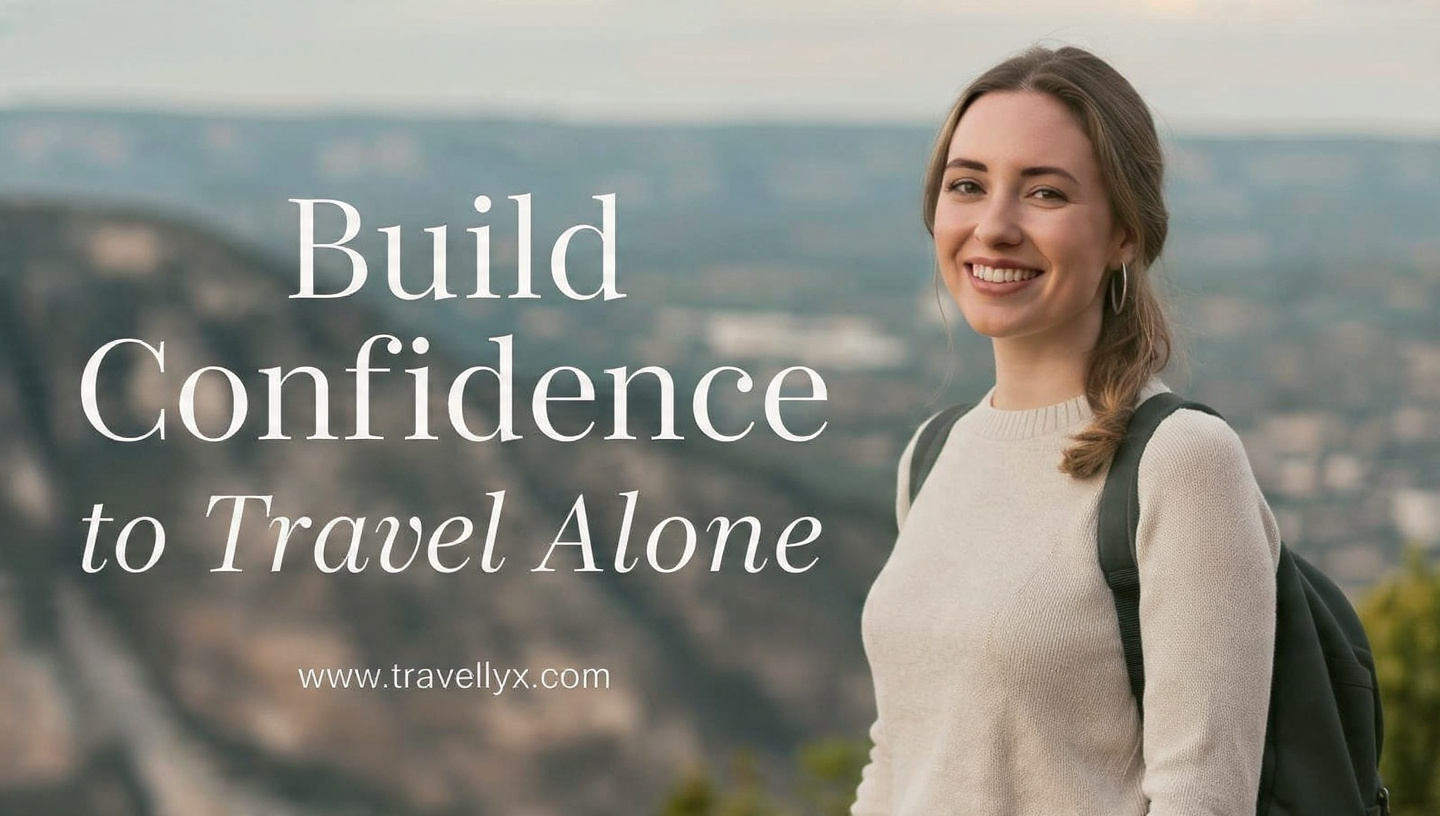
How to Build Confidence to Travel Alone: Complete Guide

Are you dreaming about exploring the world on your own terms but feeling held back by doubt? You’re not alone. The desire to travel solo is exciting, but the fear can feel overwhelming. The good news is that building confidence to travel alone is completely achievable, and thousands of first-time solo travelers prove it every single day. Whether you’re worried about safety, loneliness, or simply navigating unfamiliar places by yourself, this comprehensive guide will show you exactly how to build confidence to travel alone, step by step.
In this article, you’ll discover practical strategies to overcome your fears, prepare for your first solo adventure, and develop the self-assurance needed to explore the world independently. From choosing the right destination to handling unexpected situations, we’ll cover everything you need to transform from nervous beginner to confident solo traveler.
Understanding Why Solo Travel Feels Scary
Before we dive into how to build confidence to travel alone, it’s important to understand why solo travel can feel intimidating in the first place. Your fears are completely valid and shared by millions of people who eventually became successful solo travelers.
The most common fears include safety concerns, worry about loneliness, anxiety about language barriers, fear of getting lost, concern about making all decisions alone, and worry about what might go wrong. These fears stem from stepping outside your comfort zone and losing the security of familiar surroundings and companions.
Important Reality Check: Every experienced solo traveler felt exactly the way you do right now before their first trip. The difference is that they took action despite their fears, and you can too. Fear is normal, but it shouldn’t stop you from experiencing the incredible freedom and personal growth that solo travel offers.
Understanding that fear is a natural response to new experiences is the first step in building confidence. Your brain is designed to keep you safe, so it naturally raises red flags when you consider something outside your routine. The key is learning to distinguish between legitimate concerns that need addressing and excessive worry that holds you back unnecessarily.
Start Small: Build Confidence Gradually
One of the biggest mistakes aspiring solo travelers make is trying to conquer their fears all at once by booking a complicated, far-away trip. Instead, learning how to build confidence to travel alone should be a gradual process that starts with small, manageable steps.
Begin with Day Trips Close to Home
Your confidence-building journey should start right in your own backyard. Pick a nearby city or town you’ve never explored and spend a day there by yourself. Take public transportation, find a café for lunch, visit a museum, and navigate back home. This low-stakes practice helps you realize that you’re capable of enjoying your own company and handling basic travel situations.
During these practice trips, pay attention to how you feel. Notice the moments when you successfully navigate a challenge, whether it’s finding the right bus or choosing a restaurant on your own. These small victories are building blocks for your confidence.
Graduate to Weekend Getaways
Once you’re comfortable with day trips, extend your solo adventures to overnight stays. Book a hotel or Airbnb in a nearby destination for a weekend. This introduces new elements like checking in alone, dining solo in the evening, and entertaining yourself for multiple days without companionship.
Pro Tip: Choose destinations that are only one to three hours away for your first overnight trips. This proximity provides psychological comfort because you know you can easily return home if needed, even though you probably won’t want to.
Weekend getaways teach you valuable lessons about pacing yourself, managing alone time, and being comfortable in your own company. You’ll discover that evenings alone don’t have to be lonely and that you’re perfectly capable of making decisions about how to spend your time.
Progress to Longer Domestic Trips
Before heading internationally, build confidence with longer trips within your own country. Plan a four-day to one-week solo adventure somewhere you’ve always wanted to visit domestically. This gives you experience with extended solo travel while maintaining the comfort of familiar language, currency, and culture.
During these trips, practice all the skills you’ll need abroad: researching activities, booking accommodations, using different transportation methods, managing your budget, and staying safe. The more comfortable you become with these basics at home, the more confident you’ll feel applying them internationally.
Research Is Your Confidence Builder
Knowledge is one of the most powerful tools for building confidence to travel alone. The more you know about your destination, the less scary it becomes. Thorough research transforms the unknown into the familiar, reducing anxiety significantly.
Learn About Your Destination’s Culture
Understanding basic cultural norms helps you feel more prepared and confident. Research dress codes, common greetings, dining etiquette, tipping practices, and social customs. This knowledge helps you blend in and avoid uncomfortable situations that might shake your confidence.
Read travel blogs written by solo travelers who’ve visited your destination. Their firsthand experiences provide realistic expectations and practical advice that guidebooks often miss. Pay special attention to blogs written by travelers with similar backgrounds or concerns as yours.
Essential Research Checklist
Before booking: Read about safety conditions, visa requirements, weather patterns, and overall solo-traveler friendliness. Look for destinations with good infrastructure, low crime rates, and a welcoming attitude toward tourists.
After booking: Research specific neighborhoods, transportation options, popular scams to avoid, emergency numbers, and locations of your country’s embassy or consulate. Save important information offline in case you lose internet access.
Master the Practical Details
Confidence comes from knowing you can handle the logistics. Learn how the local transportation system works before you arrive. Watch YouTube videos of the airport you’ll land in so it feels familiar. Research ATM locations and which credit cards work best in your destination.
Understanding practical matters like how to get from the airport to your accommodation, where to buy a local SIM card, and which apps locals use for transportation eliminates much of the stress from your first day. Those initial hours in a new place often determine whether you feel confident or overwhelmed.
Connect with the Solo Travel Community
Join online communities dedicated to solo travel. Facebook groups, Reddit forums, and dedicated solo travel websites are filled with experienced travelers who love sharing advice and encouragement. Reading about others’ experiences and asking questions helps you realize that any challenge you might face has been successfully handled by countless travelers before you.
These communities provide not just information but also emotional support. When you’re feeling nervous about your upcoming trip, connecting with people who’ve been there and survived can provide the confidence boost you need.
Choose Your First Destination Wisely
Where you go matters tremendously when you’re learning how to build confidence to travel alone. Your first solo destination should set you up for success, not challenge you unnecessarily. Save the adventurous destinations for after you’ve built some experience and confidence.
Characteristics of Ideal First-Time Solo Destinations
Look for countries known for safety, excellent infrastructure, and friendliness toward tourists. Places where English is widely spoken (if that’s your language) can reduce stress significantly. Tourist-friendly cities with good public transportation make navigation easier.
Consider destinations with strong solo travel communities where you’ll easily meet other travelers if loneliness strikes. Hostels, walking tours, and group activities make social connection effortless when you want it, while still allowing you complete independence.
Top First-Time Solo Travel Destinations: Japan stands out for incredible safety and organization. Iceland offers stunning nature and very low crime. Portugal combines affordability with welcoming locals. New Zealand provides English speakers and natural beauty. Singapore offers Asian culture with Western convenience. These destinations have proven track records of building confidence in first-time solo travelers.
Avoid Common First-Timer Mistakes
Don’t choose a destination just because flights are cheap if it’s challenging for solo travelers. Avoid places with significant language barriers, complicated transportation, or safety concerns for your first trip. Also, resist the temptation to pack too many locations into one trip. It’s better to spend more time in fewer places, allowing yourself to settle in and feel comfortable.
Similarly, don’t select extremely remote or off-the-beaten-path destinations for your first solo adventure. While they might sound exciting, they lack the infrastructure and community that makes solo travel manageable for beginners. Save these experiences for when you’ve built more confidence and skills.
Plan for Safety Without Paranoia
Safety concerns are one of the biggest barriers when learning how to build confidence to travel alone. The key is preparing sensibly without letting fear control you. Solo travel can be very safe when you take reasonable precautions.
Practical Safety Strategies
Share your itinerary with trusted friends or family. Use apps that allow location sharing with selected contacts. Check in regularly, even if just with a quick message. This provides peace of mind for both you and your loved ones without being intrusive.
Book accommodations with excellent reviews, particularly regarding safety and location. Read recent reviews from solo travelers when possible, as they often mention safety-specific details. Choose lodging in well-populated, well-lit areas close to public transportation.
Trust Your Instincts: Your intuition is a powerful safety tool. If a situation, place, or person makes you uncomfortable, remove yourself immediately without worrying about being rude. Experienced solo travelers will tell you that their instincts have kept them safe countless times. Never ignore that internal warning system.
Learn basic phrases in the local language, including how to ask for help. Store emergency numbers in your phone, including local police, ambulance, and your country’s embassy. Keep digital and physical copies of important documents like your passport, insurance, and accommodation bookings.
Money and Valuables Management
Use a money belt or hidden pocket for your passport and emergency cash. Keep daily spending money separate so you’re not constantly accessing your main stash. Consider travel insurance that covers theft, medical emergencies, and trip disruptions for added peace of mind.
Avoid displaying expensive jewelry, cameras, or electronics conspicuously. Dress similarly to locals when possible to avoid standing out as an obvious tourist. These simple precautions reduce your risk without requiring paranoid vigilance.
Develop Essential Solo Travel Skills
Building confidence to travel alone requires developing specific skills that make independent travel manageable. Fortunately, these skills are all learnable, even if they feel foreign at first.
Navigation Skills
Before your trip, practice using mapping apps in your home area until they become second nature. Download offline maps of your destination so you can navigate without data. Learn to orient yourself using landmarks and cardinal directions, not just turn-by-turn directions.
Practice the skill of asking for directions. It sounds simple, but many people feel anxious approaching strangers. Start practicing at home by asking locals for recommendations or directions even when you don’t need them. This builds comfort with a skill you’ll use frequently while traveling.
Problem-Solving Mindset
Solo travel inevitably involves problems: missed buses, closed attractions, communication barriers, or unexpected changes. Building confidence means developing a calm, flexible approach to challenges rather than panicking when things don’t go as planned.
Practice this mindset before traveling by handling small problems independently instead of immediately asking for help. Whether it’s figuring out a new recipe, fixing something around your home, or navigating a confusing website, every problem you solve independently builds the confidence muscle you’ll need while traveling.
Reframe Challenges: Instead of viewing problems as disasters, see them as stories you’ll tell later. “Remember when I got completely lost in Tokyo and ended up in the most amazing neighborhood?” sounds much better than “Something went wrong.” Many travelers’ best memories come from unplanned situations they navigated successfully.
Communication Across Language Barriers
Even in countries where you don’t speak the language, communication is possible. Download translation apps before your trip and practice using them. Learn that combination of simple words, gestures, and patience usually gets the message across.
Most importantly, approach language barriers with humor and goodwill rather than frustration. Locals appreciate effort, even if your pronunciation is terrible. Learning just a few basic phrases in the local language (hello, please, thank you, excuse me) goes surprisingly far in building positive interactions.
Overcome Loneliness and Enjoy Your Own Company
Fear of loneliness stops many people from solo travel, but learning how to build confidence to travel alone includes becoming comfortable with solitude. The good news is that solo travel doesn’t have to mean constant loneliness, and time alone is often one of the most rewarding aspects.
The Difference Between Alone and Lonely
Being alone means having time for self-reflection, pursuing your interests without compromise, and moving at your own pace. Loneliness is an emotional state that can happen even in a crowd. Solo travel teaches you that being alone can be deeply fulfilling rather than sad.
Many solo travelers report that they’re rarely lonely because they’re fully engaged with their surroundings. When you travel with others, you often spend time talking with your companions rather than observing and experiencing the destination. Solo travel forces you to be present and engaged.
How to Meet People When You Want Company
The beautiful paradox of solo travel is that it’s often easier to meet people when you’re alone. Groups of travelers tend to keep to themselves, but solo travelers naturally attract conversation from both locals and other travelers.
Stay in hostels or guesthouses with common areas where travelers naturally congregate. Join free walking tours, which are excellent for meeting fellow solo travelers. Use apps like Meetup or Couchsurfing to connect with locals or other travelers for group activities.
Take a cooking class, join a group hike, or attend local events. These structured activities provide natural opportunities for connection without the pressure of forced socializing. Most cities have expat or traveler meetup groups that welcome newcomers warmly.
Create a Flexible But Reassuring Itinerary
When learning how to build confidence to travel alone, having a plan provides psychological security while leaving room for spontaneity. Your itinerary should be detailed enough to eliminate uncertainty but flexible enough to allow for unexpected opportunities.
What to Plan in Advance
Book your first few nights of accommodation before arrival. Having guaranteed lodging eliminates a major stressor when you’re tired and disoriented after traveling. Research and note down several restaurant options near your accommodation so you’re not overwhelmed by food decisions when hungry.
Plan your major activities and book any tours or attractions that require advance reservations. Research transportation between cities if you’re visiting multiple destinations. Having these logistics sorted prevents last-minute panic and allows you to focus on enjoying your experience.
Balance Is Key: A perfect itinerary includes planned anchor activities (tours you’ve booked, major attractions you want to see) surrounded by unscheduled time for wandering, unexpected discoveries, and rest. Over-planning can make solo travel feel like a checklist rather than an adventure.
Leave Room for Spontaneity
Some of the best travel experiences happen when you’re open to unplanned opportunities. Maybe a fellow traveler invites you to explore a neighborhood you hadn’t considered. Perhaps you discover a local festival happening during your visit. Allow yourself the flexibility to deviate from your plan when something interesting appears.
Build in buffer days where you have no obligations. These become valuable for rest when you’re tired, or for pursuing unexpected opportunities when you’re feeling energized. This flexibility reduces the pressure of keeping to a strict schedule while traveling alone.
Pack Smart for Confidence
What you bring can significantly impact how confident you feel while traveling alone. Pack items that provide practical utility and psychological comfort without overburdening yourself.
Essentials for Solo Travelers
Bring a portable phone charger to ensure you’re never without navigation or communication. Pack a small first aid kit with basic medications for headaches, stomach issues, and minor injuries. Include a photocopy of your passport and important documents stored separately from the originals.
Consider packing a doorstop or portable door lock for added security in accommodations. Bring earplugs and a sleep mask for better rest in unfamiliar environments. These small items can make a significant difference in how secure and comfortable you feel.
Comfort Items Matter
Don’t underestimate the psychological value of bringing a few comfort items from home. A favorite book, a small photo, or even your preferred tea bags can provide emotional comfort when you’re feeling homesick or overwhelmed. These items take minimal space but offer maximum emotional support.
Pack at least one outfit that makes you feel confident and comfortable. When you look good, you feel more self-assured, which translates into more confident behavior while navigating new environments.
Take the Leap: Book Your Trip
At some point, all the preparation and planning must translate into action. Learning how to build confidence to travel alone ultimately requires actually traveling alone. The confidence comes from doing, not just planning.
Overcoming Last-Minute Doubts
It’s completely normal to feel nervous or even regretful as your departure date approaches. Many solo travelers experience a moment of “What was I thinking?” before their trip. This doesn’t mean you’re making a mistake. It means you’re doing something challenging and worthwhile.
Remember why you wanted to travel solo in the first place. Reconnect with your motivations whether it’s personal growth, specific destinations you want to see, or the desire for independence and freedom. Focus on the excitement and opportunity rather than the fear.
The Twenty-Second Rule: Most fears and anxieties fade within twenty seconds of actually doing the scary thing. Once you’re on the plane, checked into your hotel, or ordering your first meal abroad, the anticipatory anxiety typically dissolves into actual experience, which is almost always less scary than you imagined.
Your First Solo Day
Plan something manageable for your first day. Don’t schedule intense activities or complicated logistics. Instead, give yourself time to settle in, explore your immediate neighborhood, find a grocery store or café, and adjust to your surroundings at a comfortable pace.
Celebrate small victories throughout your first day. Successfully navigating to your accommodation? Victory. Ordering food in a foreign language? Victory. Finding your way back after a short walk? Victory. These accomplishments build momentum and confidence for the days ahead.
Handle Challenges Like a Confident Solo Traveler
Even with perfect preparation, challenges will arise during solo travel. How you handle these situations determines whether they build or undermine your confidence. Experienced solo travelers aren’t people who never face problems but people who’ve learned to handle them calmly.
When Things Go Wrong
Take a deep breath and remember that almost every travel problem has a solution. Missed your train? There’s another one. Lost your wallet? Contact your bank and embassy. Accommodation not as expected? Find somewhere else. Very few travel problems are permanent disasters.
Break big problems into smaller, manageable steps. Instead of panicking about “everything going wrong,” focus on the next immediate action you need to take. This approach prevents overwhelm and helps you move forward productively.
Ask for Help Without Shame
Building confidence to travel alone doesn’t mean doing everything yourself. Knowing when and how to ask for help is a crucial skill. Most locals and fellow travelers are remarkably willing to assist someone who asks politely.
Hotel staff, tourist information centers, and even restaurant servers can provide valuable help with directions, recommendations, or solving problems. Don’t let pride or embarrassment prevent you from accessing these resources. Asking for help is smart, not weak.
Reflect and Build on Your Experience
After your first solo trip, take time to reflect on what you learned about yourself and your capabilities. This reflection consolidates the confidence you’ve built and prepares you for future adventures.
Journal Your Journey
Keep notes or photos documenting not just the sights you saw but how you felt and what you accomplished. Record the challenges you overcame, the fears you faced, and the moments you felt proud of yourself. This becomes powerful evidence of your capability when doubts creep in before your next trip.
Note what worked well and what you’d do differently next time. Maybe you over-packed or under-planned certain aspects. These insights make each subsequent trip more confident and enjoyable than the last.
Share Your Story
Talk about your solo travel experience with friends, family, or online communities. Sharing your story reinforces your accomplishment and inspires others who are considering solo travel. You might be surprised how many people react with “I’ve always wanted to do that” and how good it feels to encourage them based on your experience.
Your transformation from nervous beginner to confident solo traveler can motivate others to take their own leap. By sharing honestly about both challenges and triumphs, you contribute to a culture that makes solo travel feel more accessible for everyone.
Frequently Asked Questions
Your Solo Travel Journey Starts Now
Learning how to build confidence to travel alone is a journey that begins with a single step. You don’t need to be fearless, just willing to move forward despite your fears. Every solo traveler started exactly where you are now, full of questions and concerns, wondering if they could really do it.
The answer is yes, you absolutely can. By starting small, researching thoroughly, choosing the right destination, preparing sensibly, and taking that first leap, you’ll discover capabilities you didn’t know you had. Solo travel isn’t just about seeing new places. It’s about discovering who you become when you rely completely on yourself in unfamiliar situations.
The confidence you build through solo travel extends far beyond your trips. It transforms how you approach challenges in every area of your life. It teaches you that discomfort is temporary, that you’re more resourceful than you realized, and that the world is generally a welcoming place when you approach it with openness and respect.
So stop waiting for the perfect moment, the perfect travel companion, or the perfect level of confidence. Start planning that first trip today. Whether it’s a weekend in a nearby city or a week in another country, take the first step toward becoming the confident solo traveler you want to be. Your adventure is waiting, and you’re more ready than you think.