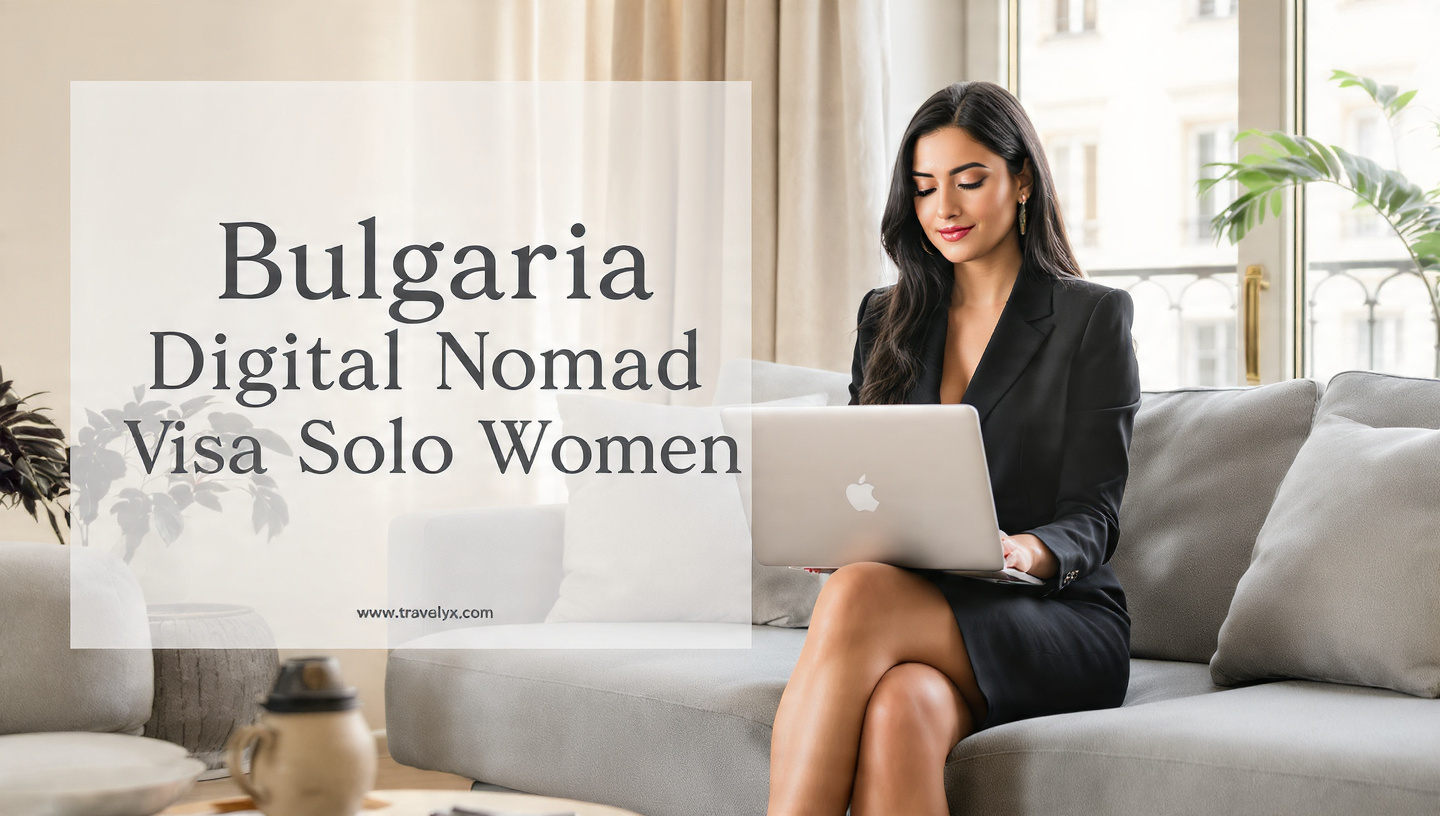
Bulgaria Digital Nomad Visa for Solo Women: Benefits, Safety & Why It’s Europe’s Best New Option
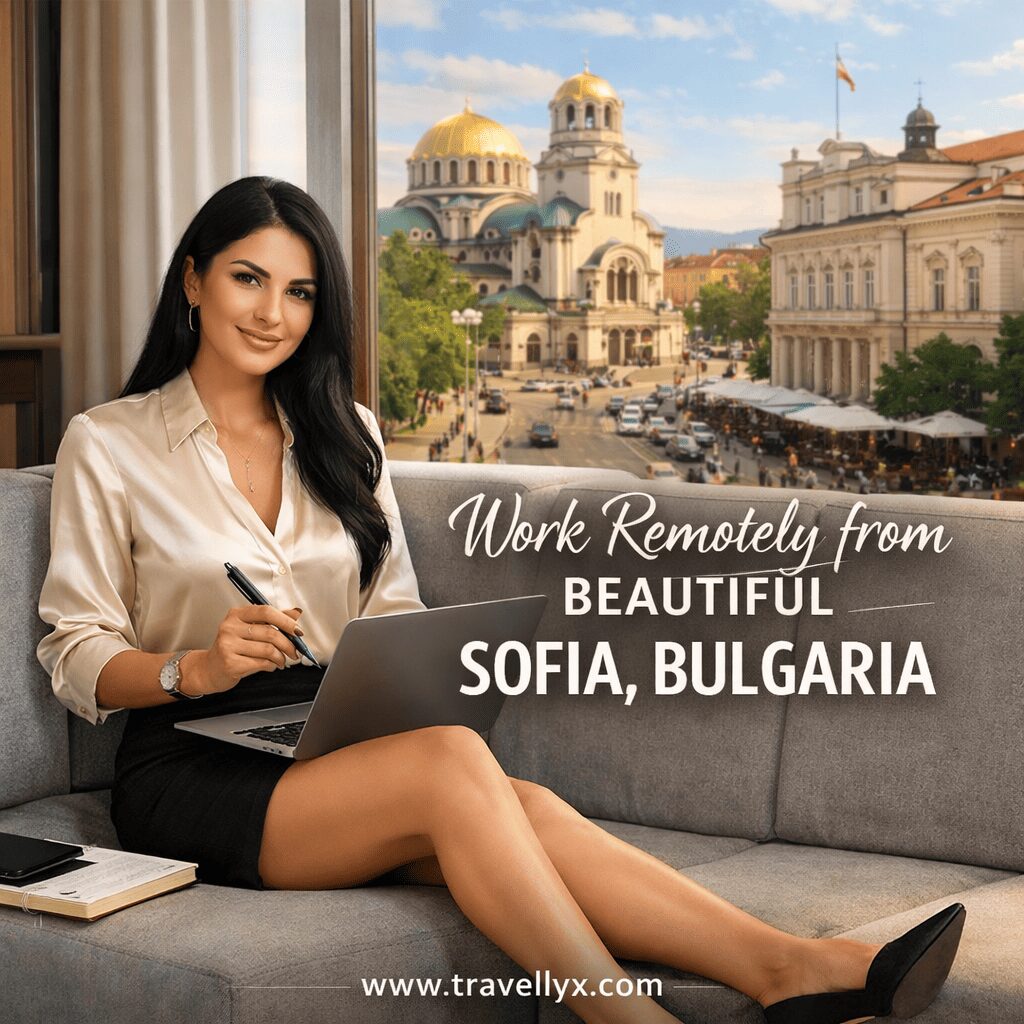
Are you a solo female traveler tired of overpriced digital nomad hubs like Lisbon or Bali? Imagine a place where your monthly budget stretches three times further, you pay only 10% in taxes, and you can walk home at 2 AM without looking over your shoulder. Welcome to Bulgaria—Europe’s best-kept secret for the smart nomad who wants more bang for her buck without sacrificing safety or community.
If you’ve been searching for information about the Bulgaria digital nomad visa for solo female travelers, you’ve found the ultimate resource. This comprehensive guide walks you through everything from navigating the Type D visa paperwork to finding your tribe in the legendary Bansko coworking scene. We’ll cover the financial benefits, tackle the safety questions head-on, and show you exactly why Bulgaria should be your next base.
Bulgaria isn’t just affordable—it’s transformative. While other nomads shell out €1,500 for a tiny studio in Porto, you’re living in a spacious one-bedroom in Plovdiv’s artistic quarter for €400. While they’re paying 30-40% in taxes, you’re keeping 90% of what you earn. And unlike the “digital nomad visa” offerings in other countries that come with bureaucratic nightmares, Bulgaria’s Type D long-stay visa has a clear path—if you know how to navigate it.
But here’s what really sets Bulgaria apart for solo women: the unexpected safety factor. This is a country where female travelers consistently report feeling more secure than in major Western European cities. Yes, really. The statistics back it up, and the lived experiences of hundreds of solo women nomads confirm it. Let’s dive into why Bulgaria might just become your favorite place on earth.
The Financial “Cheat Code”: Why Your Money Goes Further in Bulgaria
Let’s talk numbers, because this is where Bulgaria becomes impossible to ignore. If you’ve been feeling the financial squeeze of the typical nomad lifestyle, prepare for a revelation.
The 10% Flat Tax: A Nomad’s Dream
Bulgaria boasts one of the lowest personal income tax rates in the entire European Union: a flat 10%. To put this in perspective, if you’re earning $50,000 USD annually as a freelancer or remote employee, you’re looking at potentially $5,000 in annual taxes in Bulgaria versus $15,000-$20,000 in countries like the UK, Germany, or the USA.
Real Math for Real Nomads: That €10,000 difference? That’s an entire year’s rent in Bansko or Plovdiv. It’s 40 weeks of coworking space memberships. It’s 100 weekends of mountain adventures. The 10% flat tax isn’t just a perk—it’s the financial foundation that makes the Bulgarian nomad life sustainable long-term.
The tax applies to residents who spend more than 183 days per year in Bulgaria. Many digital nomads on the Type D visa structure their year to qualify for this benefit. The process requires registering with the National Revenue Agency and filing annual returns, but compared to dealing with tax systems in higher-tax countries, it’s refreshingly straightforward.
What makes this even better? Bulgaria has double taxation treaties with over 70 countries. This means you likely won’t pay taxes twice on the same income. However, always consult with a tax professional familiar with both Bulgarian tax law and your home country’s regulations—this is one area where spending €200-€300 on expert advice saves you thousands down the line.
Cost of Living Breakdown (Rent, Groceries, & Coffee)
Here’s where it gets really interesting. The average solo female digital nomad in Bulgaria lives comfortably on $1,200-$1,500 per month, including accommodation, food, coworking, and entertainment. Let me break that down:
Monthly Budget in Bulgaria (2025):
- Accommodation: €350-€600 for a private studio or one-bedroom apartment in Bansko or Plovdiv; €450-€700 in Sofia’s central neighborhoods
- Coworking Membership: €80-€150 (Coworking Bansko offers incredible value at around €100/month with unlimited access)
- Groceries: €150-€200 if you cook most meals (fresh vegetables, local cheese, and Bulgarian yogurt are ridiculously cheap)
- Dining Out: €8-€12 for a restaurant meal; €2-€3 for a quality coffee in a café
- Utilities: €50-€80 (often included in rent)
- Transportation: €30-€50 (public transport is excellent and cheap; taxis are affordable for occasional use)
- Entertainment: €100-€150 (museum entries, weekend trips, social activities)
Compare this to Lisbon where a basic studio costs €900-€1,200, or Bali where Western-style accommodation runs $600-$800. Bulgaria delivers European infrastructure and safety at Southeast Asian prices—without the 20-hour flights or tropical diseases.
According to reviews on Booking.com, many female travelers specifically mention the “shock value” of Bulgarian prices. One American nomad wrote: “I paid €380 for a gorgeous apartment in Plovdiv’s old town with a balcony overlooking Roman ruins. In Brooklyn, this would cost $2,500 monthly.” These aren’t outlier experiences—they’re the norm.
Navigating the Bulgaria Digital Nomad (Type D) Visa
Let’s address the elephant in the room: Bulgaria doesn’t have a specific “digital nomad visa” like Portugal or Spain. Instead, solo female travelers use the Type D Long-Stay Visa, which serves the same purpose. It’s designed for people who want to reside in Bulgaria for longer than 90 days but aren’t seeking permanent citizenship.
The good news? Once you understand the process, it’s entirely manageable. The challenging news? Bulgarian bureaucracy is famously paper-heavy and requires patience.
The Legal Requirements: Income, Insurance, and FBI Checks
To qualify for Bulgaria’s Type D visa, you’ll need to demonstrate several things to the Bulgarian Ministry of Foreign Affairs:
Essential Documentation Checklist:
- Proof of Income: You need to show consistent remote income of at least €1,500-€2,000 per month. Bank statements covering the past 3-6 months work well, or a contract from your remote employer. Freelancers should provide client contracts and invoicing history.
- Health Insurance: Comprehensive coverage valid in Bulgaria for the duration of your stay. Many nomads use SafetyWing or World Nomads, but verify the policy meets Bulgarian requirements (minimum €30,000 coverage).
- Criminal Background Check: An FBI check or equivalent from your home country, apostilled or legalized depending on your nation’s agreements with Bulgaria. This must be recent (within 6 months).
- Proof of Accommodation: A rental agreement or hotel reservation confirmation showing where you’ll stay. Many landlords in Bansko and Sofia are familiar with providing documentation for visa applications.
- Passport Validity: Your passport must be valid for at least 6 months beyond your intended stay.
- Application Fee: Approximately €100-€150, varying by embassy.
The application is submitted at the Bulgarian embassy or consulate in your home country or country of legal residence. Processing typically takes 2-4 months, so plan accordingly. Some embassies require in-person interviews; others process everything by mail.
Pro Tip from Long-Term Female Nomads: Start your application process at least 4 months before your intended move date. Bulgarian embassies operate on “Bulgarian time,” which means deadlines are flexible and patience is essential. Don’t let this discourage you—once approved, you’ll have legal residency for up to one year, renewable.
The “Residency” Trap: Why You Need a Local Fixer
Here’s the part most blogs don’t tell you: once you arrive in Bulgaria with your Type D visa, you need to complete several additional steps to obtain your actual residency card. This involves visiting local police stations, registering your address, and navigating offices where English is rarely spoken.
This is where hiring a relocation agent becomes worth every euro. For approximately €500, these professionals handle the Bulgarian-speaking bureaucracy on your behalf. They accompany you to appointments, translate documents, and ensure everything is filed correctly. Several solo women in the Balkans digital nomad community swear by this approach.
Popular relocation services include Bulgaria Relocation and BG Helper, both of which have English-speaking staff experienced in working with digital nomads. According to reviews on TripAdvisor, these services save an average of 15-20 hours of confusion and several trips to government offices.
Safety Masterclass: A Solo Woman’s Reality in Bulgaria
This section deserves your full attention because it’s where Bulgaria truly surprises people. If you’ve been nervous about solo female travel in Eastern Europe, prepare to have your assumptions challenged.
Walking Alone at Night: Sofia vs. Plovdiv vs. Bansko
The Statistical Reality: Bulgaria’s violent crime rate is significantly lower than the United States and comparable to or better than many Western European countries. According to Numbeo’s crime index, Bulgaria scores better on safety than cities like Paris, Barcelona, and London.
But statistics are one thing; lived experience is another. Here’s what solo female nomads consistently report across the three main Bulgarian nomad destinations:
Sofia (The Capital): Sofia feels remarkably safe for a capital city. The central neighborhoods—particularly Lozenets, Vitosha Boulevard, and the Center—are well-lit and busy even late at night. Solo women regularly walk home from restaurants or bars at 11 PM or midnight without incident. The public transportation system runs until midnight and is generally safe, though many women prefer taxis for late-night travel (they’re cheap at €3-€5 for most trips).
One consistent caveat: like any major city, Sofia has areas to avoid, particularly around the central train station late at night. Stick to the well-trafficked central areas and you’ll be fine.
Plovdiv (The Cultural Heart): Plovdiv feels even safer than Sofia. The old town is pedestrianized, beautifully lit, and patrolled regularly. The Kapana district—the artistic quarter where many nomads congregate—buzzes with activity until late and has a strong community feel. Female travelers on TripAdvisor consistently rate Plovdiv as one of the safest cities they’ve visited in Europe.
Bansko (The Mountain Hub): This is where safety reaches almost absurd levels. Bansko is a small mountain town where the digital nomad community creates an extra layer of security. You can walk home at 2 AM after a late-night coworking session with zero concerns. Everyone knows everyone, and there’s a strong culture of looking out for each other. One British nomad wrote: “I forgot my laptop at a café at midnight. Came back the next morning and it was still there, untouched.”
Real Talk from a Female Nomad: “I’ve lived in London, Barcelona, and now Sofia. Bulgaria is the first place where I don’t grip my keys between my fingers when walking home at night. The ‘danger’ I was warned about never materialized. The biggest safety concern? Icy sidewalks in winter.”
The Cyrillic Hurdle: Navigating Safety with a Language Barrier
Here’s the honest challenge: outside of Bansko and central Sofia, English is not widely spoken. This isn’t a safety threat per se, but it does require preparation.
Learning to read the Cyrillic alphabet is non-negotiable for solo female safety. I’m not suggesting you become fluent in Bulgarian (though basic phrases help enormously), but being able to sound out street signs, read medicine labels, and recognize the words for “exit” or “danger” is essential.
The good news? Cyrillic is learnable in a weekend. Seriously. Use an app like Drops or spend a few hours with a YouTube tutorial, and you’ll be reading signs within days. Many letters correspond to similar sounds in English (П = P, С = S, М = M), making the learning curve gentler than you’d expect.
As for Bulgarian people themselves? They have a reputation for being “cold” or “unfriendly” because they don’t smile at strangers on the street. This is purely cultural—Bulgarians reserve smiles for people they know. But ask for help, and you’ll find they’re incredibly generous and go out of their way to assist. One American nomad recounted: “An elderly Bulgarian woman walked me six blocks out of her way to help me find my Airbnb. She didn’t speak English; I didn’t speak Bulgarian. But she made it her mission to help.”
Where to Live: The Three Faces of Bulgaria
Bulgaria offers three distinct nomad experiences, each appealing to different types of solo women. Let’s explore them in detail.
Bansko: The World-Famous Mountain Nomad Hub
Why Bansko is Special:
Bansko has become legendary in digital nomad circles, primarily because of one institution: Coworking Bansko. Founded in 2015, this coworking space has cultivated one of the world’s most active nomad communities.
Imagine waking up to mountain views, working in a space with fiber-optic internet surrounded by entrepreneurs and remote workers from 40+ countries, then ending your day with skiing (in winter) or hiking (in summer). That’s Bansko. The community is tight-knit enough that you’ll make lifelong friends within weeks, but large enough that it never feels cliquish.
For solo women specifically, Bansko offers unparalleled safety and built-in social structure. There are regular community events—from sunrise hikes to movie nights to entrepreneurship workshops—that make it nearly impossible to feel isolated. Plus, the mountain setting means outdoor adventures are always available, perfect for those who find community through active experiences rather than bars and clubs.
Accommodation in Bansko ranges from €300-€500 monthly for studios, with many apartments within walking distance of Coworking Bansko. Winter (December-March) is peak season due to skiing, so book early. Summer and fall are quieter but offer fantastic hiking and lower prices.
Sofia: The Urban, Tech-Forward Capital
If you prefer city energy over mountain serenity, Sofia delivers. This is Bulgaria’s tech hub, home to numerous startups and international companies with remote-friendly cultures. The city offers urban amenities—museums, restaurants, theaters, shopping—while maintaining that lower cost of living that makes Bulgaria attractive.
For solo female nomads, Sofia provides anonymity alongside community. You can join the active digital nomad scene (check out the “Digital Nomads Sofia” Facebook group with 5,000+ members) or simply blend into city life. The metro system is excellent, cafés stay open late, and there’s always something happening.
Coworking options include SOHO, a beautiful artsy space that feels more like a home than an office, and Puzl CowOrKing, a larger option with excellent networking events. Both have strong female representation among their members.
Sofia is also the best base for exploring the Balkans. You’re 2-3 hours from incredible destinations across the region—Serbia, North Macedonia, Greece, Romania, and Turkey are all within easy reach for weekend adventures.
Plovdiv: The Cultural, Artistic “Slow-Living” Option
Plovdiv is for the solo woman who wants to slow down and reconnect with creativity. This ancient city (one of Europe’s oldest continuously inhabited) combines Roman ruins with a thriving modern art scene, creating an atmosphere that’s simultaneously historic and vibrantly contemporary.
The Kapana district is the heart of nomad life in Plovdiv. This pedestrianized quarter is filled with art galleries, independent boutiques (many female-owned), and cafés with outdoor seating that stays packed from morning until late evening. The coworking space Cat and Mouse sits right in the middle, offering a creative atmosphere perfect for writers, designers, and anyone doing deep-focus work.
Plovdiv is smaller than Sofia but less isolated than Bansko, striking a perfect middle ground. The nomad community is growing but remains intimate. You’ll recognize familiar faces at your regular café within a week, and the slower pace encourages deeper connections rather than surface-level networking.
Accommodation is slightly cheaper than Sofia—expect to pay €350-€500 for a one-bedroom apartment in the central area. The old town offers stunning historic apartments, though be prepared for stairs (many buildings don’t have elevators).
The Best Nomad “Institutes”: Coworking & Coliving Spaces
The quality of coworking spaces in Bulgaria rivals anywhere in Europe, but at a fraction of the cost. Here are the standouts that solo female nomads consistently recommend:
Coworking Bansko: This is the gold standard. €100/month gets you 24/7 access, super-fast internet, comfortable ergonomic setups, and access to one of the world’s best nomad communities. They organize everything from skill-sharing workshops to mountain hikes. Female nomads particularly appreciate the family-like atmosphere and the genuine care the team shows for community members.
SOHO (Sofia): Located in Sofia’s Lozenets neighborhood, SOHO combines beautiful design with a warm, welcoming vibe. The space hosts regular events that attract a diverse crowd, making it easy to build friendships. Many female freelancers choose SOHO specifically because it never feels corporate or cold.
Cat and Mouse (Plovdiv): This coworking space in the Kapana district perfectly captures Plovdiv’s creative spirit. The environment is quiet enough for deep work but social enough that you’ll naturally connect with others during coffee breaks. Being surrounded by female-owned businesses in the area creates a supportive atmosphere for entrepreneurial women.
Puzl CowOrKing (Sofia): For those wanting a larger, more structured coworking environment, Puzl offers multiple locations across Sofia with different vibes. They have excellent meeting rooms, regular networking events, and a diverse international community. It’s the most “professional” option, perfect if you’re running a growing business.
Many of these spaces also connect members with coliving arrangements. In Bansko particularly, shared houses are common, where 4-6 nomads rent a villa together. This can reduce housing costs to €200-€300 monthly while providing built-in community—ideal for solo women who want the independence of their own bedroom but the social aspect of shared living spaces.
Main Challenges for Women (The Honest Truth)
No destination is perfect, and Bulgaria has its quirks and challenges. Here’s what solo female nomads consistently identify as the main friction points:
The Language Barrier: I mentioned this earlier, but it bears repeating. Outside nomad hubs, English is rare. This isn’t dangerous, but it can be frustrating when dealing with landlords, doctors, or government offices. Learning basic Bulgarian phrases and the Cyrillic alphabet transforms your experience from occasionally frustrating to genuinely enjoyable.
Bureaucracy: Bulgarian administrative processes move slowly and require substantial paperwork. This applies to everything from visa applications to opening bank accounts to registering with utilities. The solution? Build extra time into any official process and, when possible, hire local help. That €500 relocation agent isn’t a luxury—it’s a strategic investment in your sanity.
The “Stony Face” Culture: Bulgarians don’t smile at strangers. This takes adjustment, especially for Americans or other cultures where friendly greetings are normal. Don’t interpret the lack of smiles as hostility—it’s simply how Bulgarians interact with strangers. Once you start a conversation or ask for help, you’ll find them incredibly warm and generous.
Limited Direct Flights: Sofia’s airport is well-connected to European cities, but direct long-haul flights are limited. If you’re visiting family in the US, Australia, or Asia, expect at least one connection. Budget airlines like Wizz Air and Ryanair offer cheap connections throughout Europe, but you’ll add travel time to any international trip.
Winter Weather: Bulgarian winters are cold—really cold, especially in Bansko. If you’re from warmer climates, the December-February period requires adjustment. However, this is also when the ski season thrives and Bansko’s community is most active. Plovdiv and Sofia have milder winters but still require proper winter clothing.
Cultural Dating Differences: If you’re interested in dating while in Bulgaria, be aware that gender roles can be more traditional than in Western Europe or North America. Many Bulgarian men expect to pay for dates and may find Western approaches to dating confusing. The expat and nomad communities offer more familiar dating dynamics if you prefer that.
How to Find Remote Work While in Bulgaria
One of Bulgaria’s underrated advantages is its growing reputation as a tech hub, making it an excellent place not just to maintain remote work but to find new opportunities.
The “EU-Hub” Advantage: Bulgaria’s location makes it perfect for working with European and UK-based companies. You’re in the Eastern European Time Zone (EET), which overlaps well with both Western Europe and the Middle East. Many Bulgarian startups—like Payhawk (fintech), Gtmhub (OKR software), and Enhancv (resume builder)—hire international remote workers and welcome native English speakers.
Top Job Boards for Bulgaria-Based Remote Work:
- EU-Remote.io: Specializes in remote positions at European companies, many based in Bulgaria
- Ottotto: Bulgarian startup job board with remote-friendly positions
- LinkedIn: Use the location filter for “Bulgaria” and “Remote” to find positions with Bulgarian companies offering competitive EU salaries
- We Work Remotely: Global board, but many listings from European time zone companies
- Angel List: Excellent for startup opportunities in Sofia’s growing tech scene
Networking is equally important. The “Foreigners in Sofia” Facebook group (15,000+ members) frequently has job postings before they hit official boards. Companies sometimes look for local referrals, and being physically present in Bulgaria gives you an advantage. Similarly, the “Digital Nomads Bulgaria” group connects you with remote workers who can share opportunities.
If you’re a freelancer, Bulgaria’s low cost of living means you can be more selective about projects. You need fewer clients to maintain the same lifestyle, allowing you to focus on higher-quality work or passion projects. Many solo female nomads report that moving to Bulgaria allowed them to finally start that side business or creative project they’d been postponing due to financial pressure.
Teaching English online remains a popular option, though rates can vary significantly. VIPKid, Cambly, and Italki all work well from Bulgaria’s reliable internet connections. The time zone is convenient for teaching European students in the evenings or Middle Eastern students during daytime.
Social & Networking: Building Your “Balkans Family”
One fear that stops many solo women from taking the leap is loneliness. Will I make friends? Will I find my community? Here’s the truth: Bulgaria makes this easier than almost any other nomad destination.
The key is understanding that Bulgaria has two parallel social spheres: the international nomad community and local Bulgarian culture. Most solo women initially connect through the nomad sphere—it’s easier, everyone speaks English, and shared experiences create instant bonds. Over time, many develop Bulgarian friendships as well, which adds depth and local perspective to their experience.
First Week Action Plan for Solo Women: Attend a Coworking Bansko community event (they’re open to non-members), join the “Digital Nomads Sofia” Facebook group and comment on the weekly meetup post, sign up for a Bulgarian language exchange (look for “Sofia Language Exchange” events), and attend a weekend hike organized through nomad channels. By week’s end, you’ll have 10+ new contacts and several potential friends.
The beauty of Bulgaria’s nomad scene is its maturity. This isn’t a flash-in-the-pan destination that’ll be over-touristed next year. People have been building their lives here for nearly a decade, creating stable, welcoming communities with institutional knowledge to share.
Many solo women report that their “Bulgaria family” becomes as close as biological family. There’s something about building a life abroad that creates bonds—shared challenges, cross-cultural confusion, celebrating holidays away from home together. These relationships often outlast the Bulgaria chapter, with nomads visiting each other around the world years later.
Don’t underestimate the value of local friendships either. Language exchange partners often become genuine friends. Bulgarian women are warm once you break through the initial reserved exterior, and many are curious about international perspectives. Invite your language partner for coffee, attend local events (Plovdiv’s art scene is perfect for this), and be open to cross-cultural friendships.
Frequently Asked Questions
Is Bulgaria safe for solo female digital nomads?
Yes, Bulgaria is statistically safer than many Western European countries and the United States regarding violent crime. Solo women regularly walk alone at night in cities like Sofia, Plovdiv, and especially Bansko, where the tight-knit community creates an extra layer of security. The main challenge is the cultural difference—Bulgarians may not smile at strangers, but they are incredibly helpful when approached. Standard travel safety practices apply, but Bulgaria consistently ranks as one of the safest destinations for solo female travelers in Europe.
What is the 10% flat tax benefit in Bulgaria?
Bulgaria offers a 10% flat personal income tax rate, one of the lowest in the European Union. For a digital nomad earning $50,000 USD annually, this can result in thousands of dollars in tax savings compared to higher-tax countries like the UK, Germany, or USA, essentially covering an entire year’s rent in Bulgaria. The tax applies to residents who spend more than 183 days per year in the country. Bulgaria also has double taxation treaties with over 70 countries, meaning you likely won’t pay taxes twice on the same income. Always consult a tax professional familiar with both Bulgarian tax law and your home country’s regulations.
How much does it cost to live in Bulgaria as a digital nomad?
Solo female digital nomads can live comfortably in Bulgaria for $1,200-$1,500 per month, including a private apartment, dining out, coworking memberships, and entertainment. Bansko and Plovdiv are slightly cheaper than Sofia. Studio apartments range from €350-€600 monthly, coworking memberships cost €80-€150, groceries run €150-€200 if you cook most meals, and restaurant meals cost €8-€12. This is significantly less expensive than nomad hubs like Lisbon, Barcelona, or Bali while offering European infrastructure and safety.
What are the requirements for Bulgaria’s Type D digital nomad visa?
Requirements include proof of remote income (minimum €1,500-€2,000 monthly), comprehensive health insurance valid in Bulgaria (minimum €30,000 coverage), a clean criminal background check (apostilled or legalized), proof of accommodation in Bulgaria, passport validity of at least 6 months beyond intended stay, and application fees of approximately €100-€150. The process takes 2-4 months and is submitted at Bulgarian embassies in your home country. Many nomads hire relocation agents (approximately €500) to handle the Bulgarian-speaking bureaucracy after arrival.
Where is the best place for solo women digital nomads to live in Bulgaria?
Bansko is ideal for community-focused nomads who love mountains and outdoor activities, featuring the world-renowned Coworking Bansko community. Sofia offers urban amenities, a thriving tech scene, and excellent connectivity for exploring the Balkans. Plovdiv provides cultural richness, artistic atmosphere, and slower living perfect for creative work. Each has unique advantages: Bansko for instant community and safety, Sofia for city energy and job opportunities, and Plovdiv for cultural immersion and creative inspiration. Many nomads try all three before settling on their favorite.
Do I need to speak Bulgarian to live there as a digital nomad?
While English is widely spoken in nomad hubs like Bansko and Sofia’s central areas, learning basic Cyrillic alphabet is highly recommended for safety reasons—reading street signs, medicine labels, and navigating outside tourist areas. Bulgarian language skills aren’t required to function initially, especially in established nomad communities, but learning basic phrases significantly improves your experience and helps with local friendships. Many nomads use language exchange meetups and apps like Drops to build basic proficiency. The challenge is manageable, and the effort is appreciated by locals.
Final Thoughts: Your Bulgaria Adventure Starts Now
Bulgaria isn’t just another checkbox on the digital nomad circuit—it’s a genuine alternative lifestyle that combines financial freedom, personal safety, and authentic community. The 10% flat tax means your money stretches three times further. The surprisingly high safety levels mean you can focus on building your business and friendships rather than constantly watching your back. And the welcoming nomad communities in Bansko, Sofia, and Plovdiv mean you’ll never feel alone in this adventure.
Is Bulgaria perfect? No destination is. You’ll wrestle with bureaucracy, puzzle over Cyrillic signs, and occasionally miss the conveniences of home. But for the solo woman who values financial sustainability, genuine community, and the thrill of building a life in an underappreciated corner of Europe, Bulgaria offers something truly special.
The Bulgaria digital nomad visa solo female journey isn’t about escaping your life—it’s about intentionally designing one that aligns with your values and goals. If that resonates with you, maybe it’s time to book that exploratory trip to Bansko or Sofia. Your Balkans family is waiting.