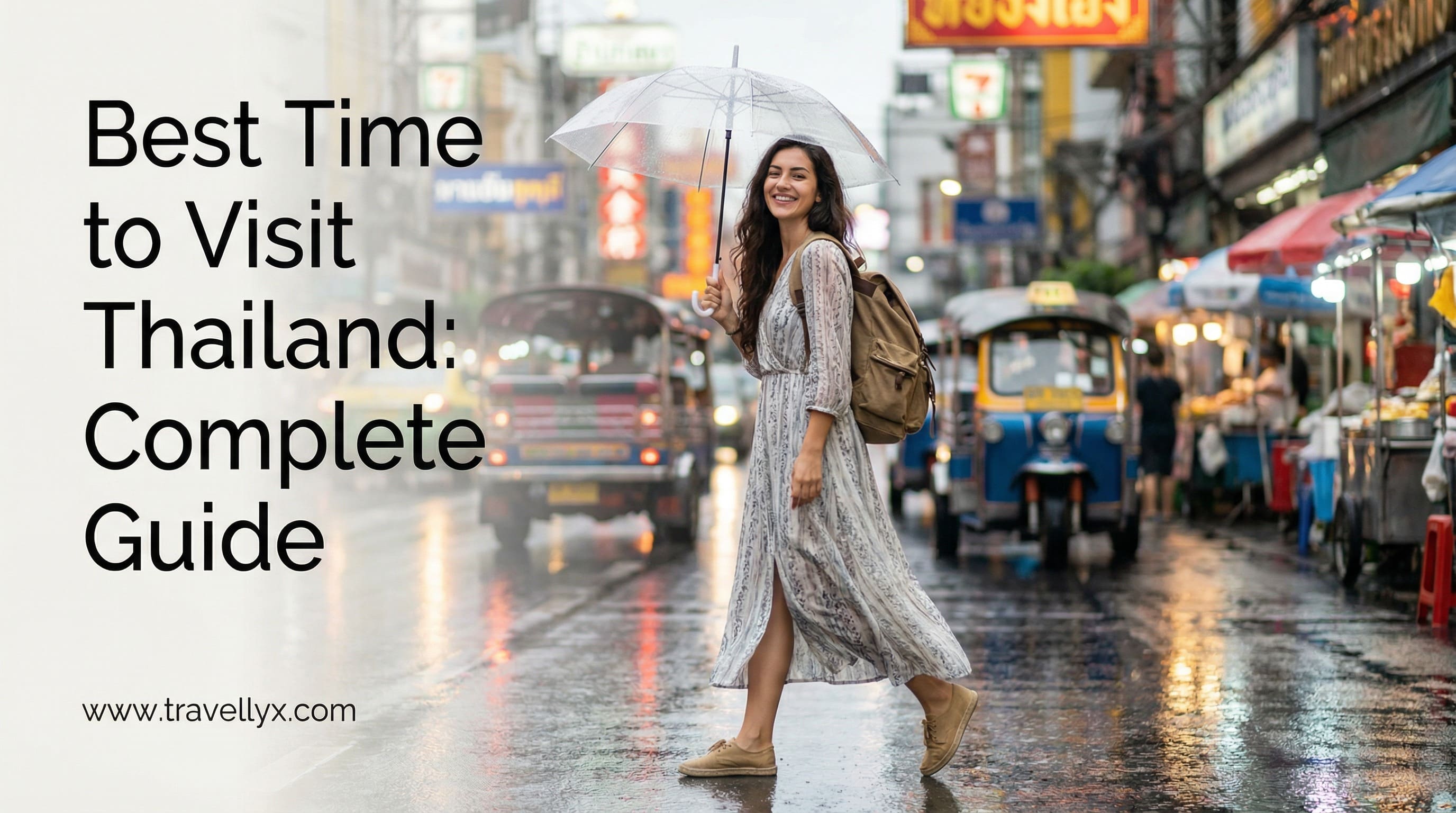
Best Time to Visit Thailand: Complete Guide

Planning your dream vacation to Thailand and wondering when’s the perfect time to book those flights? You’ve come to the right place! Finding the best time to visit Thailand can make or break your experience, and we’re here to walk you through everything you need to know about Thailand’s weather patterns, seasonal pricing, and spectacular festivals. Whether you’re dreaming of pristine beaches, exploring ancient temples, or experiencing the vibrant street life of Bangkok, timing your visit correctly will help you avoid the rainy season, save money, and catch some of Thailand’s most incredible cultural celebrations. Let’s dive into this comprehensive guide that’ll help you plan the perfect Thai adventure!
Understanding Thailand’s Three Main Seasons
Thailand’s tropical climate is wonderfully predictable once you understand its three distinct seasons. Unlike countries with four seasons, Thailand operates on a three-season cycle that determines everything from hotel prices to the quality of your beach photos. Knowing these seasons inside and out is absolutely crucial for planning the best time to visit Thailand.
Cool Season (November to February)
Temperature Range: 20°C to 30°C (68°F to 86°F)
Rainfall: Minimal to none
Humidity: Low to moderate
This is hands down the most popular time to visit Thailand, and for excellent reasons. The cool season brings comfortable temperatures, blue skies, and almost zero rainfall. Imagine waking up to sunshine every single day, with temperatures perfect for exploring temples, lounging on beaches, or trekking through jungles. The evenings are pleasantly cool, especially in northern regions like Chiang Mai where you might even need a light jacket. However, popularity comes with a price tag – literally. This is peak tourist season, so expect higher accommodation costs and crowded attractions.
Hot Season (March to May)
Temperature Range: 30°C to 40°C (86°F to 104°F)
Rainfall: Occasional afternoon showers
Humidity: High
The hot season in Thailand is seriously hot – we’re talking temperatures that can reach a scorching 40°C in some areas. April is typically the hottest month, and you’ll definitely feel the heat! However, this season isn’t without its advantages. Tourist numbers drop significantly, meaning better deals on hotels and less crowded attractions. The beaches are still gorgeous, and the occasional afternoon shower actually provides welcome relief. If you can handle the heat and plan your activities for cooler morning and evening hours, visiting during the hot season can be surprisingly rewarding.
Rainy Season (June to October)
Temperature Range: 25°C to 32°C (77°F to 90°F)
Rainfall: Daily showers, usually in afternoon/evening
Humidity: Very high
Don’t let the name “rainy season” scare you away completely! Yes, it rains during this period, but it’s not typically all-day downpours. Instead, expect heavy showers that last one to two hours, usually in the late afternoon or evening. The mornings are often beautiful and sunny. The countryside becomes incredibly lush and green, waterfalls are at their most spectacular, and you’ll find the best travel deals of the year. September and October see the heaviest rainfall, so if you’re considering the rainy season, aim for June or July when showers are lighter and less frequent.
Regional Weather Variations Across Thailand
Here’s something many travelers don’t realize – Thailand is a large country, and the weather can vary significantly depending on which region you’re visiting. Understanding these regional differences is key to determining the best time to visit Thailand based on your specific travel plans.
Northern Thailand (Chiang Mai, Chiang Rai, Pai)
The northern region experiences the most dramatic temperature variations in Thailand. Winter nights (December-January) can actually get quite chilly, with temperatures dropping to 15°C or even lower in mountainous areas. This is wonderful news if you’re tired of constant heat! The cool season here is absolutely magical, with morning mists rolling over mountains and comfortable temperatures perfect for trekking and outdoor activities. The hot season hits hard in March and April, with temperatures soaring and smoke from agricultural burning sometimes affecting air quality. The rainy season brings welcome relief and transforms the landscape into a vibrant green paradise.
Central Thailand (Bangkok, Ayutthaya, Kanchanaburi)
Central Thailand, including the bustling capital Bangkok, follows the typical three-season pattern but with its own characteristics. Bangkok during the hot season can feel like a sauna due to the urban heat island effect – concrete and traffic combine to create seriously steamy conditions. The cool season is definitely the best time to visit Thailand’s central region, offering pleasant weather for temple hopping and exploring historical sites. The rainy season brings dramatic afternoon thunderstorms that can flood streets temporarily, but these usually clear within hours. Air-conditioned shopping malls and skytrain stations become your best friends during extreme weather!
Eastern Thailand (Pattaya, Koh Chang, Rayong)
The eastern coast has a slightly different weather pattern compared to other regions. The rainy season tends to be shorter and less intense, making it a popular escape during the southwestern monsoon. October and November can still see significant rainfall, but overall, this region is drier than the southern or western parts of Thailand. Koh Chang and other eastern islands are best visited from November to May, with December to March being absolutely perfect for beach activities. The hot season sees calm seas and excellent snorkeling conditions.
Southern Thailand – Andaman Coast (Phuket, Krabi, Phi Phi Islands)
The Andaman Coast faces the southwestern monsoon, which brings heavy rains from May to October. During this period, seas can be rough, some boat services are suspended, and certain beaches experience strong currents. However, the landscape is incredibly lush, and you’ll find amazing hotel deals. November to April is peak season here, with December to February being the absolute best time to visit Thailand’s western beaches. The seas are calm and crystal clear, perfect for diving and snorkeling. Visibility underwater can reach 30 meters during these months!
Southern Thailand – Gulf Coast (Koh Samui, Koh Phangan, Koh Tao)
Important distinction: The Gulf Coast islands have an opposite weather pattern to the Andaman side! While the west coast gets hammered by rain from May to October, the Gulf islands are relatively dry. Their wettest months are October to December. This means you can actually enjoy fantastic beach weather on Koh Samui during Thailand’s official rainy season. Pretty cool, right? This makes the Gulf islands a perfect backup plan if you’re visiting Thailand during the monsoon months. February to September generally offers the best weather for Gulf Coast islands.
Month-by-Month Weather Breakdown
Let’s break down each month so you can pinpoint exactly the best time to visit Thailand for your specific preferences and travel style.
January – Peak Perfection
January is arguably the single best month to visit Thailand. The weather is absolutely perfect across the entire country. You’ll enjoy warm days, cool evenings, and virtually zero rainfall. Every beach looks like a postcard, every temple visit is comfortable, and every outdoor activity is enjoyable. The downside? Everyone knows January is perfect, so tourist numbers are at their highest, and prices reflect this demand. Book accommodation well in advance and expect popular attractions to be busy. If you don’t mind crowds and can afford peak season prices, January won’t disappoint.
February – Still Excellent
February maintains January’s excellent weather but starts getting slightly warmer, especially toward the end of the month. This is still firmly peak season, with high prices and good crowds, but it’s marginally less busy than January. The Chinese New Year often falls in February, which brings many visitors from China and other Asian countries. If you’re visiting Bangkok or Chiang Mai during this time, you’ll witness fantastic celebrations in the Chinatown districts. Beaches remain pristine, and the sea is perfect for all water activities.
March – Heating Up
March marks the transition into hot season, and you’ll definitely notice the temperature climbing, especially in the second half of the month. The beaches are still beautiful, but inland cities like Bangkok and Chiang Mai can feel uncomfortably hot during midday. The good news? Tourist numbers start dropping, and prices begin to decrease. If you can handle warmer temperatures and plan your activities strategically (early mornings and late afternoons), March offers a good balance of decent weather and better value. The water is still crystal clear for diving and snorkeling.
April – Maximum Heat
April is Thailand’s hottest month, with temperatures regularly exceeding 35°C and sometimes hitting 40°C in places like Bangkok. However, April is also when Songkran happens – Thailand’s incredible water festival celebrating the traditional Thai New Year. From April 13-15, the entire country engages in the world’s biggest water fight. It’s an amazing cultural experience that brings incredible joy and energy despite the heat. If you’re visiting Thailand in April, embrace Songkran fully! Outside of the festival dates, expect fewer tourists, great hotel deals, and the need for serious air conditioning and lots of water.
May – First Rains
May sees the beginning of the rainy season in most parts of Thailand. You’ll start experiencing afternoon or evening showers, but mornings are often still sunny and beautiful. The rain actually provides welcome relief from the heat, and the temperature becomes slightly more bearable. This is when you start seeing significant discounts on accommodation, especially in beach destinations. If you don’t mind the occasional downpour and can be flexible with your outdoor plans, May offers excellent value. The landscapes start turning greener and more lush.
June – Early Monsoon
June is firmly in the rainy season, but it’s actually one of the better months within this period. Rainfall is moderate compared to later monsoon months, and you’ll still have plenty of sunny hours each day. Tourist numbers are low, meaning you can have popular attractions almost to yourself. Hotel rates are at their lowest, and you can negotiate great deals. The Gulf Coast islands (Koh Samui, Koh Phangan, Koh Tao) are particularly good choices in June, as they’re drier than the Andaman coast. Consider June if you’re budget-conscious and don’t mind some rain.
July – Mid-Monsoon
July continues the rainy season pattern with regular afternoon showers. While not the best time to visit Thailand for guaranteed sunshine, July isn’t terrible either. The countryside is gorgeously green, waterfalls are powerful and photogenic, and fruits are abundant and delicious. Many Western tourists visit in July due to summer holidays, so some popular tourist areas see a small uptick in visitors. Prices remain low compared to high season. If you’re planning beach time, consider the eastern coast or Gulf islands for better weather during this month.
August – Sustained Rainfall
August sees consistent rainfall, particularly in southern beach destinations. However, the rain typically comes in short, heavy bursts rather than all-day drizzle. You can still enjoy Thailand during this month if you’re flexible and prepared for wet weather. Many cultural activities, temple visits, cooking classes, and indoor attractions are perfectly enjoyable regardless of rain. The countryside and national parks are stunning during this lush green season. Prices remain excellent, and you’ll have authentic experiences without the tourist crowds.
September – Wettest Month
September is typically Thailand’s wettest month, with the heaviest and most frequent rainfall. Some islands and coastal areas experience rough seas, and certain boat services may be limited or suspended. This is genuinely the least popular time to visit Thailand, which means rock-bottom prices and empty attractions. If you’re a budget traveler who doesn’t mind rain and wants to experience Thailand without tourists, September could work. However, if beaches and outdoor activities are priorities, consider other months. Bangkok and northern cities are still accessible and functional despite the rain.
October – Late Monsoon
October continues with significant rainfall, though it’s slightly less intense than September in some regions. However, the Gulf Coast islands experience their wettest period during October and November. The Andaman coast starts seeing improvement toward the end of October. This month still offers excellent value for money, and the rain is making way for the upcoming high season. If you visit in late October, you might catch the tail end of the rainy season and enjoy lower prices before the tourist rush begins.
November – Transitioning to Perfect
November is when Thailand truly comes alive again. The rains taper off significantly, the temperatures become comfortable, and the countryside is lush and green from months of rainfall. This is actually an excellent time to visit Thailand – you get the benefits of post-monsoon landscapes, decreasing rainfall, comfortable weather, and prices that haven’t yet reached peak season levels. Many travelers consider November a sweet spot. The Loy Krathong festival typically happens in November, offering a magical cultural experience where thousands of lanterns and floating offerings illuminate the night.
December – Holiday Season
December marks the beginning of peak tourist season, especially during the Christmas and New Year period. The weather is excellent across Thailand, with cool temperatures, low humidity, and minimal rainfall. Beach destinations are perfect, northern regions are pleasantly cool, and Bangkok is comfortable for sightseeing. The holiday period (roughly December 20 to January 5) sees the highest prices and biggest crowds of the year. If you’re planning to visit Thailand in December, book everything months in advance and expect to pay premium rates. Despite the costs, many consider December one of the best times to visit Thailand due to the outstanding weather and festive atmosphere.
Festival Calendar: Timing Your Visit for Cultural Experiences
One of the most rewarding aspects of timing your Thailand visit is the opportunity to experience incredible festivals and cultural celebrations. These events offer authentic glimpses into Thai culture and create unforgettable memories.
Songkran Water Festival (April 13-15)
Songkran is Thailand’s most famous festival, celebrating the traditional Thai New Year with a nationwide water fight. What started as gentle water blessings has evolved into an epic, three-day water battle involving water guns, buckets, hoses, and even elephants! The best celebrations happen in Chiang Mai, Bangkok’s Khao San Road, and Pattaya. Streets become rivers of joyful chaos as locals and tourists drench each other in the spirit of cleansing and renewal. Beyond the water fights, Songkran includes temple visits, family gatherings, and traditional ceremonies. If you’re visiting Thailand in April, embracing Songkran is absolutely essential – just protect your electronics!
Loy Krathong and Yi Peng (November – dates vary by lunar calendar)
Loy Krathong is one of Thailand’s most visually stunning festivals, where people release decorated baskets (krathongs) made of banana leaves onto rivers, lakes, and canals to pay respect to the water goddess and let go of negative thoughts. In Chiang Mai, this coincides with Yi Peng, where thousands of paper lanterns are released into the night sky, creating an absolutely magical scene. The sight of countless glowing lanterns floating upward is breathtaking and deeply spiritual. The festival typically falls on the full moon of the 12th lunar month, usually in November. This is an incredible reason to plan your visit during this month.
Chinese New Year (January or February)
Thailand has a significant Chinese population, and Chinese New Year is celebrated with tremendous enthusiasm, especially in Bangkok’s Chinatown (Yaowarat). The streets explode with red decorations, dragon dances, fireworks, and endless food stalls offering Chinese delicacies. Temples are packed with worshippers, and the energy is infectious. The festival dates change annually based on the lunar calendar, typically falling between late January and mid-February. If your visit coincides with Chinese New Year, don’t miss the celebrations in Bangkok’s Chinatown – it’s an incredible cultural experience.
Full Moon Party (Monthly in Koh Phangan)
While not a traditional Thai festival, the Full Moon Party on Koh Phangan has become legendary. Held monthly during the full moon, this massive beach party attracts thousands of revelers from around the world. If you’re young, energetic, and looking for an epic party scene, timing your visit to coincide with the Full Moon Party can be incredible fun. However, be aware that accommodation prices on Koh Phangan skyrocket during Full Moon dates, and the island becomes extremely crowded. Book well in advance if this is on your agenda.
Makha Bucha and Visakha Bucha (February/March and May/June)
These important Buddhist holidays commemorate significant events in Buddha’s life. On these days, Thais visit temples to make merit, and alcohol sales are prohibited throughout the country. While this might seem restrictive, witnessing these religious observances provides authentic cultural insight. The evening candlelit processions at temples are particularly beautiful and moving. The exact dates vary annually based on the lunar calendar.
Vegetarian Festival (October)
Primarily celebrated in Phuket and other areas with significant Chinese-Thai populations, the Vegetarian Festival is a nine-day event featuring street processions, yellow festival flags everywhere, and countless vegetarian food stalls offering delicious meat-free options. The most dramatic aspects involve devotees performing acts of body piercing and walking on hot coals while in trances. It’s intense and fascinating. Even if you’re not participating in the extreme rituals, the festival offers wonderful vegetarian food and cultural immersion.
Pricing Throughout the Year: When to Find the Best Deals
Understanding Thailand’s pricing seasons is crucial for budget planning and finding the best time to visit Thailand based on your financial considerations.
Peak Season Pricing (November to February)
Accommodation: Expect to pay 50-100% more than low season rates. Beach resorts and popular hotels fill up quickly, and advance booking is essential. A mid-range hotel that costs $30 per night in low season might cost $60-80 in peak season.
Flights: International flights to Thailand are most expensive during this period, especially around Christmas and New Year. Book at least 3-4 months in advance for better rates.
Activities and Tours: While tour prices don’t fluctuate as dramatically as accommodation, popular activities may have limited availability and might charge slight premiums during peak demand.
Shoulder Season Pricing (March, October, November)
March (before the heat becomes extreme) and October-November (as the rains end) offer moderate pricing. You’ll find decent deals on accommodation, usually 20-30% below peak season rates, while still enjoying reasonable weather. These months represent excellent value if you can handle slightly less perfect conditions. Flights are also moderately priced during these periods.
Low Season Pricing (April to September)
This is when Thailand becomes incredibly affordable. Accommodation can cost 50-70% less than peak season, and you’ll have excellent negotiating power, especially if booking last minute or for extended stays. Many hotels and resorts offer special promotions, free night deals, and upgrades during this period. Flights are cheapest, particularly outside of school holidays. If you’re budget-conscious and don’t mind some rain or heat, low season offers amazing value. Your dollar (or euro, or pound) stretches significantly further during these months.
Money-Saving Tips Regardless of Season
- Book accommodation in advance: Even in low season, booking ahead often secures better rates than walking in
- Consider longer stays: Many hotels offer weekly or monthly discounts
- Travel mid-week: Weekend rates can be higher, especially for domestic travelers
- Eat like locals: Street food and local restaurants are incredibly cheap year-round
- Use public transportation: Bangkok’s BTS, MRT, and buses are affordable and efficient
- Book tours locally: Often cheaper than pre-booking online through international sites
- Avoid holiday periods: Thai public holidays can increase local demand and prices
Best Time to Visit Thailand Based on Your Travel Style
Different travelers have different priorities. Let’s break down the best time to visit Thailand based on what matters most to you.
For Beach Lovers
Best time: November to February for Andaman Coast (Phuket, Krabi, Phi Phi); February to September for Gulf Coast (Koh Samui, Koh Phangan, Koh Tao)
If pristine beaches, crystal-clear water, and perfect swimming conditions are your priorities, timing is everything. The Andaman coast offers the best beach weather during the cool season when seas are calm and visibility is excellent for snorkeling and diving. The Gulf coast has a different pattern, offering great beach conditions even during Thailand’s official rainy season. Plan your beach destination accordingly!
For Budget Travelers
Best time: May to October (except September)
If maximizing value is your priority, the rainy season is your friend. Yes, you’ll experience some rain, but you’ll also experience Thailand at a fraction of peak season costs. Your accommodation budget will go twice as far, you’ll negotiate better tour prices, and you’ll avoid tourist crowds. June and July are particularly good choices – prices are low, but rainfall isn’t as heavy as September. With strategic planning (indoor activities during afternoon rains), budget travelers can have an incredible Thailand experience.
For Families with Kids
Best time: December to February (yes, despite higher prices)
When traveling with children, comfort and reliability become priorities. The cool season offers predictable, pleasant weather without the extreme heat or regular rainfall that can disrupt plans. Kids can enjoy beaches, pools, and outdoor activities without suffering in excessive heat. The downside is that these months coincide with school holidays in many countries, meaning higher prices and more crowds. However, the reliable weather and comfortable temperatures make it worth the extra cost for many families.
For Cultural Explorers
Best time: April (Songkran) or November (Loy Krathong)
If experiencing authentic Thai culture and festivals is your primary goal, timing your visit around major celebrations will reward you immensely. Songkran in April offers the most energetic and participatory festival experience, while Loy Krathong in November provides magical and contemplative beauty. Both offer authentic cultural immersion that goes far beyond typical tourist experiences. You’ll create memories that last a lifetime.
For Adventure Seekers and Trekkers
Best time: November to February
If hiking, trekking, jungle exploration, or rock climbing are on your agenda, the cool season is ideal. Temperatures are comfortable for physical exertion, trails are dry and accessible, and visibility is excellent. Northern Thailand’s mountains are particularly spectacular during these months, with morning mists and cool temperatures creating perfect trekking conditions. The hot season is too exhausting for serious physical activities, while the rainy season makes trails muddy and potentially dangerous.
For Divers and Snorkelers
Best time: November to April for most destinations
Underwater visibility is crucial for diving and snorkeling, and Thailand’s dry season delivers the best conditions. The Andaman coast (Similan Islands, Phi Phi Islands, Richelieu Rock) offers world-class diving from November to April, with visibility reaching 20-30 meters. The Gulf coast has good diving conditions from February to September. Research your specific diving destination, as conditions vary significantly by location and season. Liveaboard diving trips typically operate only during optimal weather months.
For Food Enthusiasts
Best time: Year-round, but consider seasonal fruits
Thailand’s incredible food scene operates year-round, so you’ll eat amazingly regardless of when you visit. However, different fruits are in season at different times. Mango season peaks from March to June (hot season), offering the sweetest, most delicious mangoes you’ve ever tasted. Durian season runs from May to August. Longan, rambutan, and mangosteen are best from May to September. If you’re a fruit lover, timing your visit with your favorite Thai fruits can be a delicious bonus!
For Digital Nomads and Long-term Visitors
Best time: October to February or May to September
If you’re planning an extended stay in Thailand, avoiding the hottest months (March-April) makes sense for comfort. Many digital nomads spend the hot season near beaches or in air-conditioned cafes and co-working spaces. The cool season offers the most comfortable working conditions, while the rainy season offers the best value for long-term accommodation. Chiang Mai is particularly popular with digital nomads year-round, though air quality can be problematic in March-April due to agricultural burning.
Regional Recommendations: Where to Go When
Let’s get specific about which destinations are best during which months, so you can plan the perfect Thailand itinerary based on timing.
Bangkok: Year-Round Destination
Bangkok works year-round because so many attractions are indoors or accessible via air-conditioned transportation. The BTS Skytrain, MRT subway, and massive shopping malls provide climate-controlled comfort regardless of weather. That said, December to February offers the most pleasant weather for outdoor temple visits and walking around neighborhoods like Chinatown or old town Rattanakosin. March to May is hot but manageable with strategic planning. The rainy season (June to October) brings afternoon downpours that can temporarily flood streets, but mornings are often sunny and perfect for sightseeing.
Chiang Mai: Best November to February
Chiang Mai is absolutely magical during the cool season, with comfortable temperatures, clear skies, and spectacular mountain scenery. December and January can actually get quite cool in the evenings – you might need a jacket! This is the best time to visit Thailand’s northern capital. March and April bring extreme heat and problematic air quality from agricultural burning, making these the worst months to visit. The rainy season (June to October) brings lush landscapes and fewer tourists, making it acceptable if you don’t mind afternoon showers. November is ideal if you can time your visit with Loy Krathong and Yi Peng.
Phuket and Andaman Coast: Best November to April
The Andaman coast, including Phuket, Krabi, Phi Phi Islands, and Khao Lak, experiences its best weather from November to April. December to March is absolute perfection – calm seas, clear skies, and excellent diving conditions. May to October brings the southwestern monsoon with heavy rains, rough seas, and limited beach activities. Some beach clubs and restaurants close during this period. However, if you’re after bargain prices and don’t mind rain, June or July can work, though September and October are genuinely rough weather months to avoid.
Koh Samui, Koh Phangan, Koh Tao: Best February to September
The Gulf coast islands have an opposite weather pattern to the Andaman side, making them excellent alternatives during Thailand’s rainy season. February to September offers the best weather on these islands, with July and August being particularly good despite being rainy season elsewhere. October to December brings heavy rainfall and rough seas – this is when you should avoid these islands. If you’re visiting Thailand from June to September and want beach time, head to the Gulf coast instead of the Andaman side.
Hua Hin and Prachuap Khiri Khan: Year-Round Beach Alternative
This Gulf coast region south of Bangkok experiences milder weather extremes than other beach destinations. While October to December see some rainfall, it’s less intense than the Andaman coast. March to June can be hot but manageable. This area works reasonably well year-round, making it a good choice if you’re visiting Thailand during months when other beach destinations are experiencing poor weather. The royal town of Hua Hin offers a more sophisticated, less touristy beach experience than Phuket or Pattaya.
Pattaya: Best November to February
Pattaya, Thailand’s infamous beach city near Bangkok, is best visited during the cool season. The city is busier and rowdier than other beach destinations, with a reputation for nightlife and entertainment. While Pattaya has worked hard to clean up its image and attract families, it still retains its party town atmosphere. The rainy season brings afternoon storms, while the hot season is extremely humid and uncomfortable. If you’re visiting Bangkok and want a quick beach escape, Pattaya works year-round due to its proximity, but quality beach time is best from November to February.
Sukhothai, Ayutthaya, and Historical Parks: Best November to February
Thailand’s historical parks involve lots of outdoor walking in direct sunlight among ancient ruins. The cool season provides comfortable temperatures for exploring these incredible sites. March to May is brutally hot for walking around ruins with minimal shade. The rainy season makes these parks lush and photogenic but can be uncomfortable for extended outdoor exploration. If temple ruins and historical sites are priorities, definitely visit during the cool season months.
Practical Tips for Each Season
Knowing the best time to visit Thailand is one thing; knowing how to prepare for your chosen season is another. Here are practical tips for making the most of Thailand regardless of when you visit.
Cool Season Survival Tips (November to February)
- Book everything early: Accommodation, flights, and popular tours fill up quickly
- Arrive at attractions early: Beat the crowds by starting your day at dawn
- Pack a light jacket: Evenings can be cool, especially in northern regions
- Expect higher prices: Budget accordingly for peak season rates
- Make reservations: Popular restaurants and cooking classes book out during peak season
- Consider less-touristy alternatives: Explore lesser-known islands and towns to escape crowds
Hot Season Survival Tips (March to May)
- Plan activities for mornings and evenings: Avoid midday heat by resting during the hottest hours
- Stay hydrated constantly: Drink more water than you think you need
- Use sun protection religiously: The tropical sun is intense – sunscreen, hats, and sunglasses are essential
- Embrace air conditioning: Spend hot afternoons in malls, museums, or cafes
- Pack breathable clothing: Light, loose-fitting clothes in natural fabrics
- Consider beach destinations: Coastal areas are slightly cooler than inland cities
- Don’t fight Songkran: If you’re in Thailand during Songkran (April 13-15), embrace the water festival completely
Rainy Season Survival Tips (June to October)
- Pack waterproof gear: Rain jacket, waterproof phone case, and dry bags for electronics
- Wear appropriate footwear: Water-resistant sandals or shoes that dry quickly
- Be flexible with plans: Have indoor backup options for rainy afternoons
- Enjoy the rain: Afternoon showers provide welcome relief from heat and humidity
- Take advantage of prices: Negotiate hotel rates and tour prices
- Watch for flooding: Some areas of Bangkok can temporarily flood during heavy rain
- Choose destinations strategically: Gulf coast islands are drier than Andaman coast during monsoon
- Enjoy lush landscapes: The countryside is incredibly green and beautiful after rain
Common Mistakes to Avoid When Timing Your Visit
Learning from other travelers’ mistakes can save you disappointment and money. Here are common timing errors to avoid when planning your Thailand trip.
Mistake 1: Assuming All of Thailand Has the Same Weather
Many first-time visitors don’t realize that Thailand’s weather varies significantly by region. Booking a beach vacation on Phuket during August (peak monsoon) while the Gulf islands are experiencing beautiful weather is a common error. Always research the specific weather patterns of your intended destinations, not just Thailand in general. If one region is experiencing poor weather during your travel dates, another region likely offers better conditions.
Mistake 2: Fearing the Rainy Season Completely
The term “rainy season” scares many travelers away, causing them to miss out on incredible deals and fewer crowds. Remember that “rainy season” doesn’t mean constant rain – it typically means afternoon or evening showers lasting one to two hours. Many travelers find the rainy season surprisingly enjoyable, especially June and July when rainfall is moderate. Don’t automatically rule out these months without considering the significant advantages they offer.
Mistake 3: Visiting Multiple Regions Without Considering Regional Weather Differences
If you’re planning to visit multiple regions of Thailand in one trip, timing becomes more complex. Visiting both Phuket and Koh Samui in October means you’ll likely experience rain in both places (though for different reasons). Better planning would be visiting Koh Samui during the rainy season (where it’s drier) and saving Phuket for the cool season. Map out your itinerary with regional weather patterns in mind for the best experience across multiple destinations.
Mistake 4: Not Booking Accommodation in Advance During Peak Season
Some travelers assume they can just show up and find accommodation easily. During peak season (especially December and January), the best hotels fill up months in advance, and whatever’s left will be expensive and possibly disappointing. If you’re visiting during peak season, book at least 2-3 months ahead. During low season, showing up without bookings can work fine and even save you money through negotiation.
Mistake 5: Choosing the Wrong Beach Destination for Your Travel Dates
Booking a diving trip to the Similan Islands in August or planning a beach vacation on Koh Phi Phi in September means you’ll encounter rough seas, limited visibility, and possible tour cancellations. Always check whether your specific beach destination is in season during your travel dates. The Andaman coast and Gulf coast have opposite weather patterns – choose accordingly. This simple research can make or break your beach vacation.
Mistake 6: Underestimating the Heat Season
Many travelers think “I’ll be fine in the heat” without realizing just how intense Thai hot season can be. Temperatures exceeding 38-40°C combined with high humidity can be genuinely oppressive, especially for older travelers or those with health conditions. If you’re not accustomed to extreme heat, the cool season is worth the higher prices. Don’t underestimate how much the heat can impact your energy levels and enjoyment of outdoor activities.
Special Considerations and Final Tips
Before we wrap up this comprehensive guide on the best time to visit Thailand, here are some final considerations to ensure your trip is perfectly timed.
School Holidays and Crowd Patterns
Understanding school holiday periods helps you predict crowd levels and prices. Thai school holidays run from mid-March to mid-May and October. During these periods, domestic tourism increases, and beach destinations popular with Thai families get busier. International school holidays (Christmas, New Year, Easter, summer) bring waves of tourists from different countries. Chinese New Year brings massive numbers of Chinese tourists. European summer holidays (July-August) increase European tourist numbers despite it being rainy season. If avoiding crowds is important, target the shoulder periods between these peak times.
Visa Considerations and Season
Many nationalities can enter Thailand visa-free for 30 days (or 45-60 days depending on current policies). If you’re planning an extended visit to take advantage of low season prices, research visa extensions or visa run options. The cooler season in Chiang Mai attracts many long-term visitors and digital nomads, creating a thriving expat community. Rainy season in beach towns is quieter and more relaxed, perfect for longer, slower travel.
Health Considerations by Season
The rainy season brings increased mosquito activity, which means higher risk of mosquito-borne illnesses like dengue fever. Use mosquito repellent religiously during these months, especially at dawn and dusk. The hot season can cause heat exhaustion or heat stroke if you’re not careful – stay hydrated and know the warning signs. Air quality in northern Thailand during March and April can be problematic for people with respiratory issues due to agricultural burning. Check air quality indexes if you have concerns.
Photography Considerations
For photographers, different seasons offer different advantages. The cool season provides clear skies and excellent lighting conditions – perfect for landscape photography. The rainy season offers dramatic cloud formations, moody lighting, and lush green landscapes that can be stunning if you embrace the atmospheric conditions. Waterfalls are at their most impressive during and after the rainy season. The hot season can create hazy conditions that aren’t ideal for crisp landscape photos but offers great beach and underwater photography opportunities.
Sustainable Tourism Considerations
Visiting during shoulder or low season actually supports sustainable tourism by spreading visitor impact throughout the year rather than concentrating it in peak months. Tourism workers in Thailand often struggle during low season with reduced income, so your visit during these months directly supports local communities. Consider this positive impact when weighing whether to visit during less popular months. Your tourism dollars mean more during low season and help create year-round employment in tourism-dependent communities.
Conclusion: Finding Your Perfect Time
So, what’s truly the best time to visit Thailand? The honest answer is: it depends entirely on your priorities, budget, and what you want to experience. For most first-time visitors seeking perfect weather and willing to pay for it, November to February is ideal. For budget travelers who don’t mind occasional rain, June and July offer incredible value. For culture seekers, timing your visit around Songkran or Loy Krathong creates unforgettable experiences.
Remember that Thailand is an incredibly diverse country with different regions experiencing different weather patterns. While one area might be rainy, another could be enjoying perfect sunshine. There’s genuinely no single “worst” time to visit Thailand – even September has its advantages for those seeking solitude and exceptional bargains.
The key is matching the season to your expectations and travel style. Do your research on your specific destinations, be realistic about what weather conditions you can handle, and book accordingly. Whether you visit during the peak cool season, the bargain-filled rainy season, or the festival-rich shoulder months, Thailand has something magical to offer year-round. With the information in this guide, you’re now equipped to choose the absolutely best time to visit Thailand for YOUR perfect trip!
Frequently Asked Questions
January is generally considered the best single month to visit Thailand, offering excellent weather across the entire country, comfortable temperatures, minimal rainfall, and perfect beach conditions. However, it’s also the most expensive and crowded month. December and February are very close alternatives with nearly identical conditions.
No, you shouldn’t automatically avoid the rainy season. While rain does occur regularly during June to October, it typically consists of short afternoon or evening downpours rather than all-day rain. The rainy season offers significant advantages including lower prices, fewer crowds, lush landscapes, and authentic experiences. June and July are particularly manageable months within the rainy season.
September is typically the cheapest month to visit Thailand, as it experiences the heaviest rainfall and lowest tourist numbers. However, May through October all offer significant savings compared to high season, with accommodation prices often 50-70% lower than peak season rates. June and July provide good value while having less rainfall than September.
Yes, but it depends on which coast you’re visiting. The Gulf coast islands like Koh Samui, Koh Phangan, and Koh Tao actually have good swimming conditions during Thailand’s official rainy season (June-September). However, the Andaman coast experiences rough seas and poor conditions during these months. Always check the specific location and season before planning beach activities.
April can be extremely hot with temperatures exceeding 40°C in many areas, though Songkran festival makes it culturally interesting. September is the wettest month with heavy rainfall and rough seas. March-April also brings poor air quality in northern Thailand due to agricultural burning. However, even these months have advantages for certain travelers, particularly budget-conscious visitors.
Yes, December is excellent for visiting Thailand, offering wonderful weather across the country with cool temperatures and minimal rainfall. However, the Christmas and New Year period (roughly December 20 to January 5) brings the highest prices and biggest crowds of the year. If you visit in early December before the holiday rush, you can enjoy great weather with slightly more reasonable prices.
For peak season travel (November-February), book flights and accommodation at least 2-3 months in advance, or even earlier for Christmas and New Year dates. For shoulder season (March, October-November), 1-2 months advance booking is sufficient. During low season (April-September), you can often book just weeks ahead or even negotiate better deals by showing up without reservations, though some advance planning is still recommended.
Rain typically occurs daily during the rainy season, but it’s usually not all-day rain. Expect heavy showers lasting one to two hours, typically in the afternoon or evening. Mornings are often sunny and beautiful, allowing for morning activities and sightseeing. September and October see the heaviest and most frequent rainfall, while June and July experience lighter and shorter showers.
December to February is ideal for couples and honeymooners, offering romantic weather, beautiful beaches, and comfortable temperatures. November is also excellent as it’s slightly less crowded and coincides with the magical Loy Krathong festival. For budget-conscious couples, June or July provide good weather at half the price, especially on the Gulf coast islands.
Yes, absolutely! Smart trip planning involves routing your itinerary according to regional weather patterns. For example, during the rainy season, you could spend time in Bangkok and northern Thailand early in your trip, then head to the Gulf coast islands where weather is better. During peak season, you can visit anywhere. Always research the specific weather for each region during your travel dates.