4-Week British Columbia Itinerary: The Ultimate Slow Travel Guide for Women
Are you dreaming of a solo adventure or girls’ trip through one of the most stunning landscapes in North America? If you’re searching for a safe and slow travel itinerary for British Columbia, you’ve found exactly what you need. This comprehensive four-week BC road trip guide is designed specifically for women who want to explore Canada’s west coast at a relaxed pace, prioritizing safety, comfort, and genuine experiences over rushed Instagram moments and extreme adventures.
What makes this different from other BC travel guides? Most road trip itineraries push you through British Columbia in seven to fourteen days, cramming in as many stops as possible. This guide takes the opposite approach. You’ll spend three to four days in each location, giving you time to actually unwind, connect with local culture, and explore without exhaustion. This is slow travel British Columbia style, where you drink your coffee warm instead of grabbing it to go.
Why British Columbia is Perfect for Solo Female Travelers
British Columbia consistently ranks as one of the safest destinations for women traveling alone. The province combines progressive attitudes, excellent infrastructure, and a culture that respects personal space and independence. From the vibrant streets of Vancouver to the serene mountain towns of the interior, you’ll find communities that welcome solo travelers with open arms.
That said, traveling smart means being prepared. Throughout this guide, we’ll cover specific safety considerations, from wildlife encounters to highway conditions, so you can explore confidently. The key to a successful solo female travel BC experience is combining adventure with practical planning.
Essential Planning Before You Go
Transportation: Rent a compact SUV like a Toyota RAV4. It handles mountain roads better than a small car but remains easy to park for solo travelers. Avoid campervans unless you’re experienced, as they can be challenging on narrow roads.
Navigation: Download offline maps on both Google Maps and Maps.me. Cell service disappears in mountain passes, particularly on the Coquihalla Highway and Highway 4 to Tofino.
Safety Apps: Use a check-in app like Life360 to share your location with family. Download Alertable for BC wildfire and flood updates, which are increasingly important during summer months.
Understanding the Four-Week BC Road Trip Route
This 4 week BC road trip flows naturally from coast to mountains to valleys and back to peaks. You’ll start in Vancouver, explore Vancouver Island’s wild western shores, bask in the Okanagan’s wine country warmth, and finish in the majestic Rocky Mountains. Each region offers distinct experiences, from surfing lessons with female instructors in Tofino to silent spa sessions in Whistler.
The beauty of this BC wellness itinerary is its flexibility. If you fall in love with a particular spot, stay longer. If wine country isn’t your thing, swap those days for more time in the mountains. This framework gives you structure while honoring the slow travel philosophy of following your energy.
Week One: Sea to Sky and Coastal Culture
Stop 1: Vancouver (4 Days)
Begin your journey in Vancouver, where mountains meet ocean in one of the world’s most livable cities. The West End neighborhood is your ideal home base, offering walkable streets, beach access, and a safe atmosphere perfect for solo travelers.
What to do: Cycle the Stanley Park Seawall, but stick to the designated bike lane to avoid pedestrian conflicts. The full loop is ten kilometers of oceanfront bliss. Visit Granville Island Public Market at 9 AM before crowds arrive and treat yourself to a famous Lee’s Donut. The early morning light on the market’s colorful stalls is magical.
For solo dining, Denman Street offers numerous sushi spots with counter seating where eating alone feels completely natural. The neighborhood’s casual vibe makes it easy to strike up conversations with locals if you’re feeling social, or simply enjoy your meal in peaceful solitude.
Where to Stay: Loden Vancouver
Located in Coal Harbour’s quiet corner, this boutique hotel caters beautifully to solo travelers. They offer a “Wonder Woman” package and provide free cruiser bikes perfect for the seawall. The location balances urban energy with serene waterfront calm.
Stop 2: Squamish and Whistler (3 Days)
The Sea to Sky Highway from Vancouver to Whistler ranks among the world’s most scenic drives. Take your time, stopping at Porteau Cove for photos and a leg stretch. The viewpoints are well-marked and safely accessible.
Wellness focus: Book a session at Scandinave Spa Whistler, a silent spa experience perfect for solo travelers needing decompression time. The contrast between hot baths and cold plunges, all overlooking forest, resets your entire system. If you’re looking for more budget-friendly wellness options, the nearby hiking trails offer free forest therapy.
Easy hiking: The Train Wreck Trail delivers high visual impact for minimal effort. This flat path leads to colorful graffiti-covered train cars in the forest. It’s extremely popular, which means you’ll always have people around, a comfort factor for solo hikers.
Where to Stay: Summit Lodge Boutique Hotel
Whimsical decor, deep soaking tubs, and kitchenettes in every room make this Village North property ideal for slow mornings. The quieter location means better sleep while keeping you walking distance from restaurants.
Week Two: Island Rhythms
Stop 3: Tofino and Ucluelet (4 Days)
Take the ferry from Horseshoe Bay to Nanaimo, then drive Highway 4 west. This winding road through old-growth forest requires daylight driving. Plan to cross during morning or early afternoon for the safest, most enjoyable experience.
Tofino sits on Vancouver Island’s wild west coast, where the Pacific crashes against rocky shores and ancient rainforests meet sandy beaches. This is where the safe travel Canada for women concept truly shines, as the tight-knit community looks out for visitors.
Surf lessons: Book with Surf Sister Surf School, a female-owned operation that specializes in empowering beginner lessons. Their instructors understand the specific concerns women have about water sports and create an encouraging, judgment-free environment. Many solo travelers report this as a trip highlight.
Evening ritual: Head to Mackenzie Beach for sunset bonfires. Permitted fire rings dot this beach, and you’ll often find small groups willing to share their fire. It’s a beautiful way to connect with other travelers or simply enjoy the rhythmic waves.
Where to Stay: Wickaninnish Inn
This globally renowned property perches on Chesterman Beach with world-class security and a stunning spa. The Ancient Cedars Spa offers meditation treatments overlooking the ocean. Yes, it’s an investment, but solo travelers consistently rate it as worth every penny for the safety, service, and serenity.
Stop 4: Victoria via Cowichan Valley (3 Days)
Drive south through the Cowichan Valley, stopping at Merridale Cidery for lunch and tastings. This family-run operation serves delicious food in their orchard setting.
Victoria, BC’s capital, offers British charm with West Coast ease. Skip the crowded Butchart Gardens in favor of Abkhazi Garden, a smaller, quieter gem with a volunteer-run tea house. The intimate scale makes solo exploration more enjoyable.
Safety note: Victoria is extremely walkable. The Inner Harbour area remains well-lit and populated at night. Stick to main streets after dark and you’ll feel completely comfortable.
Where to Stay: Magnolia Hotel and Spa
This 64-room boutique property provides curated trail maps for safe city walking. Staff learn guests’ names, creating a personal touch solo travelers appreciate. Their tea service and central location make it ideal for exploring at your own pace.
Week Three: Wine, Water, and Warmth
Stop 5: Osoyoos and Oliver (3 Days)
Welcome to Canada’s only desert. The Okanagan’s southern tip offers dry heat, pristine lakes, and some of the country’s best wine. The relaxed atmosphere and small-town safety make this stretch particularly enjoyable for solo travelers.
Cultural experience: Visit the Nk’Mip Desert Cultural Centre, an Indigenous-led facility offering deep insights into the region’s original inhabitants. The interpretive trails through desert landscape provide gentle exercise with educational value.
Wine touring: Focus on the Golden Mile Bench wineries. Many offer seated tastings rather than standing bar service, which feels less intimidating for women traveling alone. The servers typically spend more time explaining wines, making it educational rather than rushed.
Where to Stay: Walnut Beach Resort
Features a private beach on Osoyoos Lake with secure, bright suites. The open-concept design and outdoor pool create relaxed resort vibes without overwhelming crowds. Perfect for unwinding after wine touring.
Stop 6: Kelowna and Lake Country (4 Days)
Kelowna serves as the Okanagan’s hub, but staying in the Lower Mission area keeps you near beaches while avoiding downtown’s party scene. This distinction matters for solo female travelers seeking peace over nightlife.
Active adventure: Rent an e-bike for the Myra Canyon Trestles. This flat, historic rail trail crosses eighteen trestle bridges with stunning valley views. The high visibility and steady stream of cyclists make it safe for solo riding. Consider bringing essential tech gadgets like a portable charger for your phone camera.
Beach days: The Okanagan’s warm, clean lakes invite lazy afternoons. Pack a book, find your patch of sand, and embrace the slow travel mindset. Nobody rushes here.
Where to Stay: The Cove Lakeside Resort
Located in West Kelowna, this gated property offers spacious one-bedroom suites with full kitchens. The lakefront access stays quiet compared to downtown beaches, and the full-service spa provides another layer of wellness focus.
Week Four: Mountain Majesty and Hot Springs
Stop 7: Revelstoke (3 Days)
The drive from Kelowna to Revelstoke passes the Last Spike, where Canada’s transcontinental railway was completed. This historic marker makes a worthy photo stop.
Revelstoke embodies mountain town charm without Whistler’s price tag. The compact downtown offers excellent cafes and shops within walking distance.
Alpine access: Drive the Meadows in the Sky Parkway, where you can reach alpine meadows without lengthy hiking. The summit offers wildflowers, mountain views, and the satisfaction of standing above treeline, all accessible for solo travelers who want mountain beauty without backcountry risk.
Where to Stay: VRGE Revelstoke
This Nordic-inspired boutique hotel features keyless entry, locally roasted coffee, and a social hub cafe. The modern design and security features appeal to solo travelers, while the common areas offer connection opportunities if desired.
Stop 8: Golden and Yoho National Park (4 Days)
Your final destination brings the grand finale: the Rocky Mountains. Golden sits at the confluence of recreation and relaxation, offering both adventure and rest.
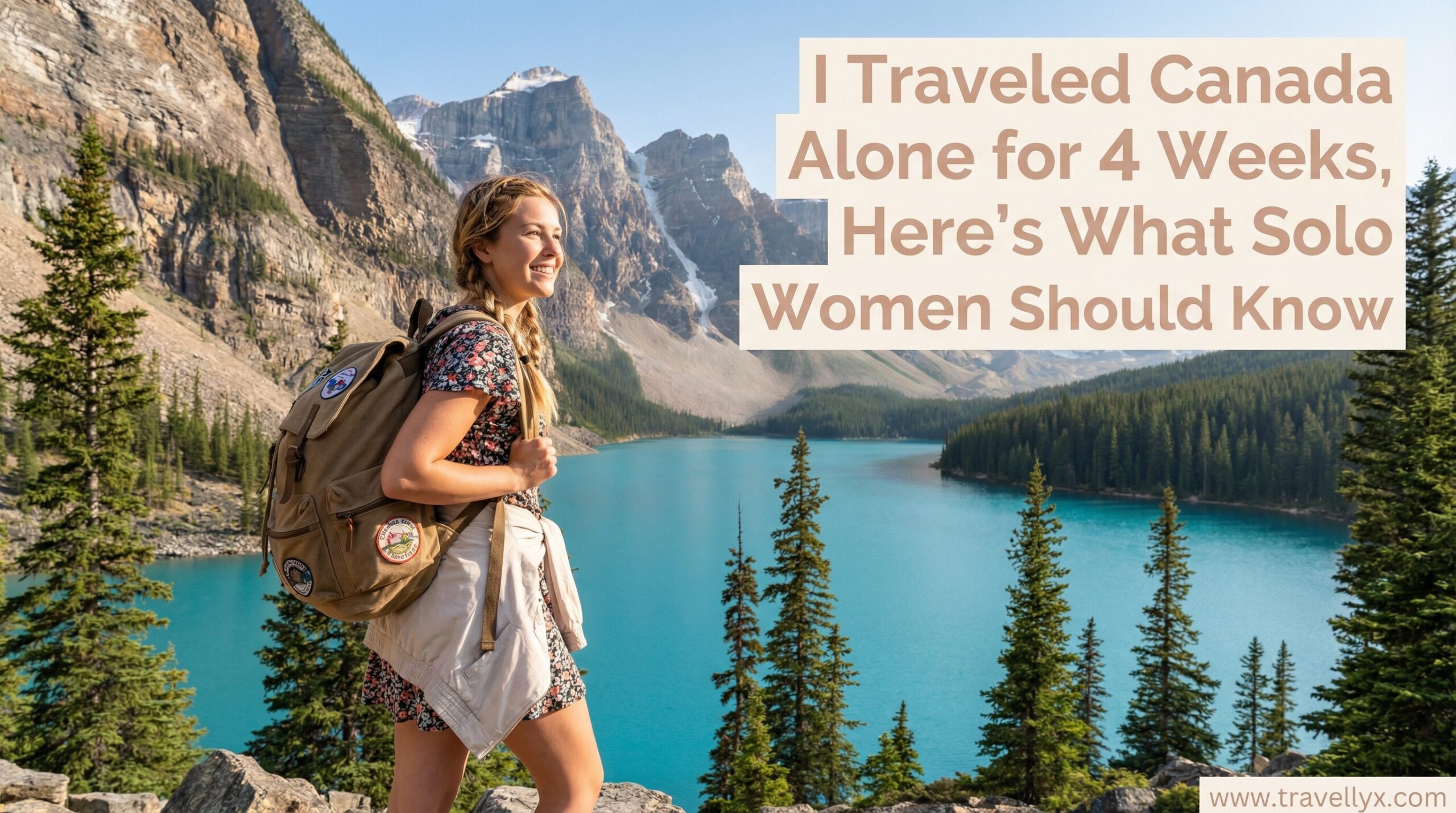
Must-see: Emerald Lake in Yoho National Park deserves timing strategy. Arrive at 5 PM when tour buses depart. The evening light turns the glacial water impossibly turquoise, and the silence feels sacred. Walk the shoreline trail or simply sit and absorb the majesty.
Optional thrill: The Golden Skybridge offers suspended walkways over a canyon. If heights aren’t your thing, the town’s pedestrian bridge provides river views without the adrenaline.
Where to Stay: Lush Mountain Accommodations
Choose a smaller cabin for cabin-core retreat vibes. These high-end private chalets offer total privacy and mountain views, perfect for your final days of reflection before returning to regular life.
Ending your trip: You have two options. Drive back to Vancouver, approximately eight hours through spectacular scenery. Or fly out of Calgary, saving the return drive but paying rental car one-way fees. Check these fees before booking, as they can be substantial.
Practical Tips for Your Safe Travel Canada for Women Journey
Bear Safety Made Simple
BC has both black bears and grizzlies. Carry bear spray on all hikes and make noise on trails. Bears avoid humans when they hear them coming. Never approach wildlife for photos. If you encounter a bear, stay calm, speak in a firm voice, and back away slowly.
Highway Driving Considerations
Mountain highways require attention. Pull over at designated viewpoints to take photos rather than stopping on shoulders. Watch for logging trucks, which have right of way due to their size and weight. In winter, carry chains even if you don’t expect to use them, as mountain passes can close without them.
Budget Management
This itinerary leans toward mid-range to boutique accommodations. Expect to spend approximately 150 to 300 dollars per night on lodging, depending on season and property. Dining costs vary dramatically between cities and small towns. Budget about 50 to 75 dollars daily for food if you mix grocery shopping with restaurants.
Best Time to Visit
Late June through September offers the most reliable weather for this 4 week BC road trip. July and August bring warmth but also crowds and higher prices. September delivers stunning fall colors, fewer tourists, and pleasant temperatures, making it ideal for slow travel British Columbia adventures.
Connecting with Local Culture and Female-Owned Businesses
Throughout BC, you’ll find thriving communities of female entrepreneurs. From Surf Sister in Tofino to numerous female-owned wineries in the Okanagan, supporting these businesses adds meaningful connection to your travels. Many offer perspectives and services specifically attuned to women’s travel needs.
Don’t hesitate to ask local women for recommendations. BC’s culture encourages this kind of interaction, and you’ll often receive insider tips that transform good trips into great ones. Coffee shops and yoga studios make excellent conversation starting points.
Embracing the Slow Travel Mindset
The greatest challenge of slow travel isn’t planning, it’s permission. You’ll see other travelers racing between destinations, and you might feel pressure to see everything. Resist this urge. The magic of this solo female travel BC experience lies in depth, not breadth.
Spend an entire afternoon at one beach. Revisit a cafe because you loved their coffee. Stay in your room and read when you need rest. These aren’t failures of travel, they’re the whole point. You’re not collecting destinations, you’re actually experiencing them.
For more information on planning your BC adventure, visit the official British Columbia government website for up-to-date road conditions, park information, and travel advisories.
Frequently Asked Questions
Is British Columbia safe for solo female travelers?
Yes, British Columbia ranks among the safest destinations globally for women traveling alone. The province has low crime rates, excellent infrastructure, and a culture that respects solo travelers. Standard safety precautions apply, such as sharing your itinerary with family, staying aware of surroundings, and trusting your instincts. Wildlife safety requires specific knowledge, but this guide covers those considerations.
How much should I budget for a four-week BC road trip?
Budget approximately 5,000 to 8,000 dollars for four weeks, including mid-range accommodations, car rental, gas, food, and activities. This estimate assumes boutique hotels rather than hostels and regular restaurant meals mixed with grocery shopping. Luxury accommodations and fine dining push costs toward 10,000 to 12,000 dollars.
What’s the best time of year for this itinerary?
Late June through September offers the most reliable weather. September particularly suits slow travel, combining warm days, fewer crowds, and lower prices. Avoid May and early June when mountain passes may have snow and coastal areas experience heavy rain.
Do I need a four-wheel drive vehicle?
A compact SUV with all-wheel drive is recommended but not strictly required during summer months. The additional ground clearance and stability benefit mountain roads and gravel access roads to hiking trailheads. In winter, four-wheel drive becomes essential.
Can I do this trip in less than four weeks?
Absolutely, but you’ll need to choose regions rather than covering everything. Two weeks allows either Vancouver Island plus the Okanagan, or the Sea to Sky corridor plus the Rockies. The slow travel philosophy works at any pace when you prioritize depth over breadth.
Are there good options for meeting other travelers?
Yes, several spots on this itinerary naturally facilitate connections. Hostels in Tofino and Revelstoke offer common areas for mingling. Group activities like surf lessons, wine tours, and spa days create opportunities to meet like-minded travelers. However, the itinerary equally supports those preferring solitude.
What should I pack for varying climates?
BC’s diverse geography requires layering. Pack light rain jacket, fleece or sweater, t-shirts, long pants, shorts, sturdy walking shoes, sandals, swimsuit, and sun protection. The coast stays cooler and wetter, while the Okanagan heats up significantly. Mountain evenings can be chilly even in summer.
How reliable is cell phone coverage?
Major towns and cities have excellent coverage. However, mountain passes, remote highways, and backcountry areas frequently lack service. Download offline maps before leaving urban areas. Never rely on your phone as your only navigation tool in remote regions.
Your Journey Begins Now
This 4 week BC road trip offers everything you’ve been craving: adventure without exhaustion, natural beauty without crowds, and independence without isolation. British Columbia’s combination of safety, stunning landscapes, and welcoming communities creates the perfect environment for solo female travel.
Remember, this guide provides a framework, not a mandate. Skip destinations that don’t resonate. Add extra days where you find joy. The goal isn’t completing a checklist but creating an experience that nourishes your spirit and expands your confidence.
Pack your bags, download those offline maps, and prepare for the journey of a lifetime. British Columbia is waiting, and she’s even more beautiful than the photos suggest. Safe travels, and may your coffee always be warm.